The Five Factors Behind Every Score
Credit scores don't come from a black box — they're built from five defined categories of information drawn directly from your credit reports. Under the FICO model, the breakdown looks like this:
- Payment History (35%): Whether you pay on time is the dominant factor. A single 30-day late payment can noticeably lower your score, and serious delinquencies like collections or charge-offs can linger for up to seven years.
- Amounts Owed / Credit Utilization (30%): This reflects how much of your available revolving credit you're currently using. Carrying high balances relative to your limits signals financial stress to lenders, even if you pay on time. See our deep dive on credit utilization to understand how this ratio is calculated and what to aim for.
- Length of Credit History (15%): Older accounts generally help your score. This category considers the age of your oldest account, your newest account, and the average age of all accounts combined.
- Credit Mix (10%): Having experience with different types of credit — installment loans like auto loans or mortgages alongside revolving credit like credit cards — can modestly benefit your score.
- New Credit / Hard Inquiries (10%): Each time you formally apply for credit, a hard inquiry is recorded. Multiple applications in a short period can signal financial distress, though the impact is usually small and temporary.
35%
Weight of payment history in FICO Score
According to FICO, payment history is the single most influential factor in its widely used scoring model.
300–850
FICO Score range used by most lenders
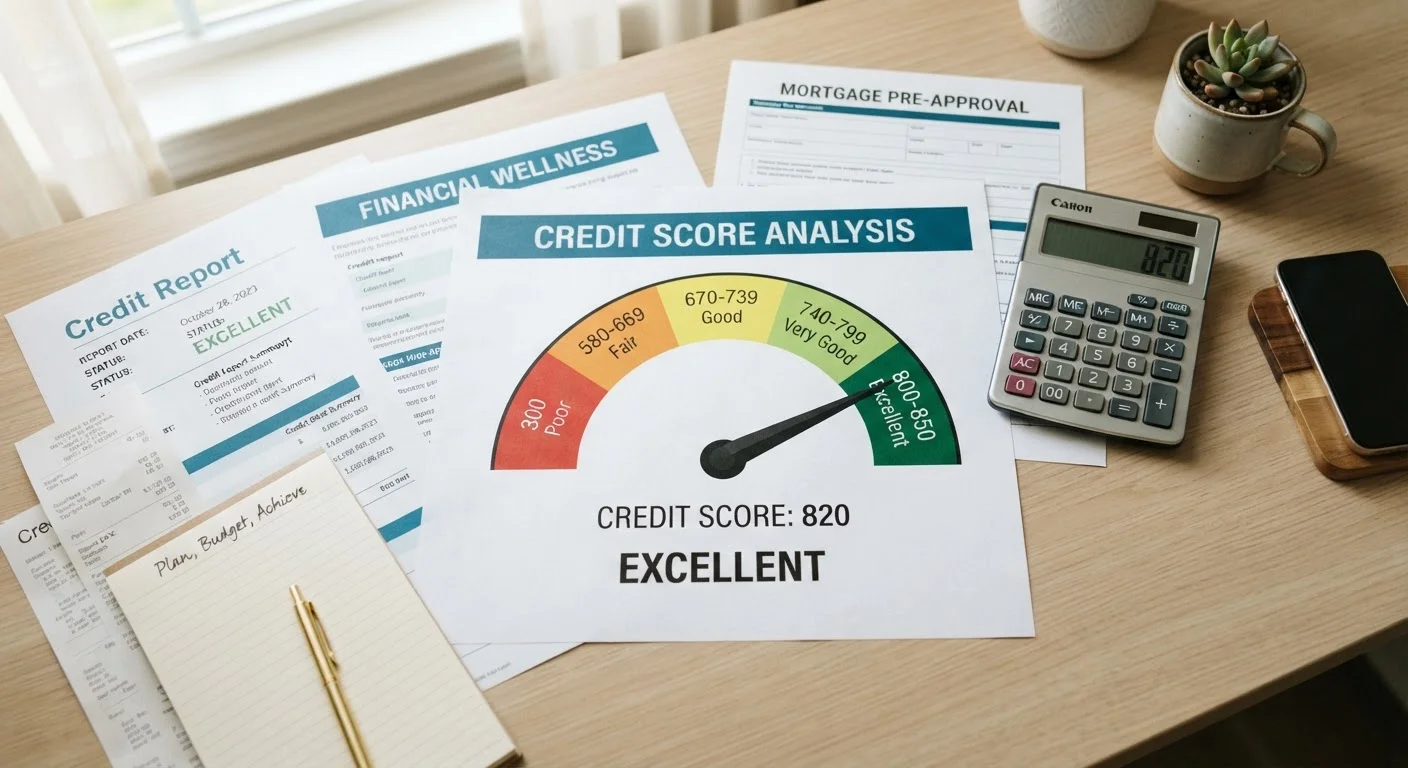
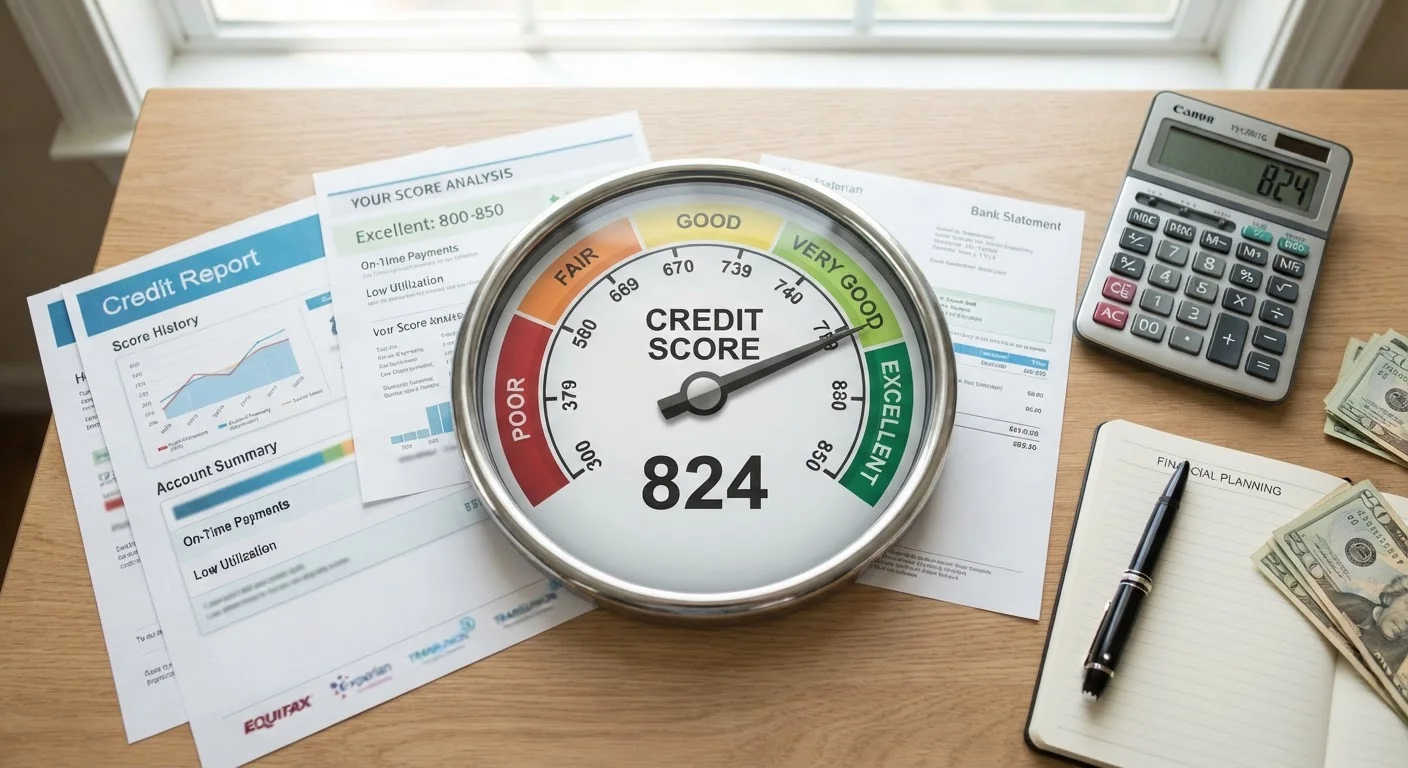
The standard FICO Score scale runs from 300 (poor) to 850 (exceptional), with scores above 670 generally considered good.
90%
Top lenders using FICO Scores
FICO reports that 90% of top U.S. lenders use FICO Scores as part of their credit decisions.
Where the Data Comes From
Your credit score is calculated from data contained in your credit reports, maintained by the three major credit bureaus: Equifax, Experian, and TransUnion. Lenders — including credit card issuers, auto lenders, and mortgage servicers — report your account activity to these bureaus regularly. The bureaus compile that data into reports, and scoring models like FICO or VantageScore run calculations on those reports to generate a number.
Because each bureau collects data independently, your credit report — and therefore your score — can vary slightly across all three. An account may be reported to one bureau but not another, or a correction you've submitted to one bureau may not yet appear at the others.
Under federal law, you're entitled to a free credit report from each bureau once every 12 months through AnnualCreditReport.com. Reviewing these reports for errors is one of the most actionable steps you can take, since inaccurate information can drag your score down unfairly.
Why Lenders Use Credit Scores — and What They Do With Them
Lenders evaluate thousands of applications and need a consistent, fast way to assess risk. A credit score condenses years of financial behavior into a single comparable number, allowing a mortgage underwriter, car dealer, or credit card issuer to quickly benchmark an applicant against their lending criteria.
The score typically determines two things: whether you qualify at all, and at what interest rate. Borrowers with higher scores are statistically less likely to default, so lenders reward them with lower rates. Over the life of a mortgage or auto loan, even a half-percentage-point difference in rate can translate to thousands of dollars in interest.
Beyond lending, credit scores are also reviewed by landlords screening rental applications and occasionally by employers in certain industries — though the latter practice is regulated and limited in many states.
It's worth noting that your credit score captures only your credit behavior — not your income, savings, or overall financial health. Lenders often look at additional metrics alongside your score, such as your debt-to-income ratio, to build a fuller picture of your borrowing capacity.
Common Misconceptions Worth Clearing Up
Several widely-held beliefs about credit scores can actually lead people to make decisions that hurt their scores. For instance, many assume that carrying a small credit card balance each month — rather than paying in full — helps build credit. In reality, you establish positive payment history simply by making on-time payments; carrying a balance only means paying interest unnecessarily.
Others believe closing old or unused credit cards simplifies their finances and improves their score. Closing accounts can actually reduce your total available credit limit (raising your utilization ratio) and shorten your average account age — both of which may lower your score. Our article on common credit score myths walks through these and other misconceptions in detail.
Understanding what your credit score actually measures — and what it doesn't — lets you make choices based on how credit systems really work, not how people assume they do.
This article is for general informational and educational purposes only and does not constitute personalized financial or credit advice. Consult a qualified financial professional for guidance specific to your situation.