What Actually Separates These Two Camping Styles?
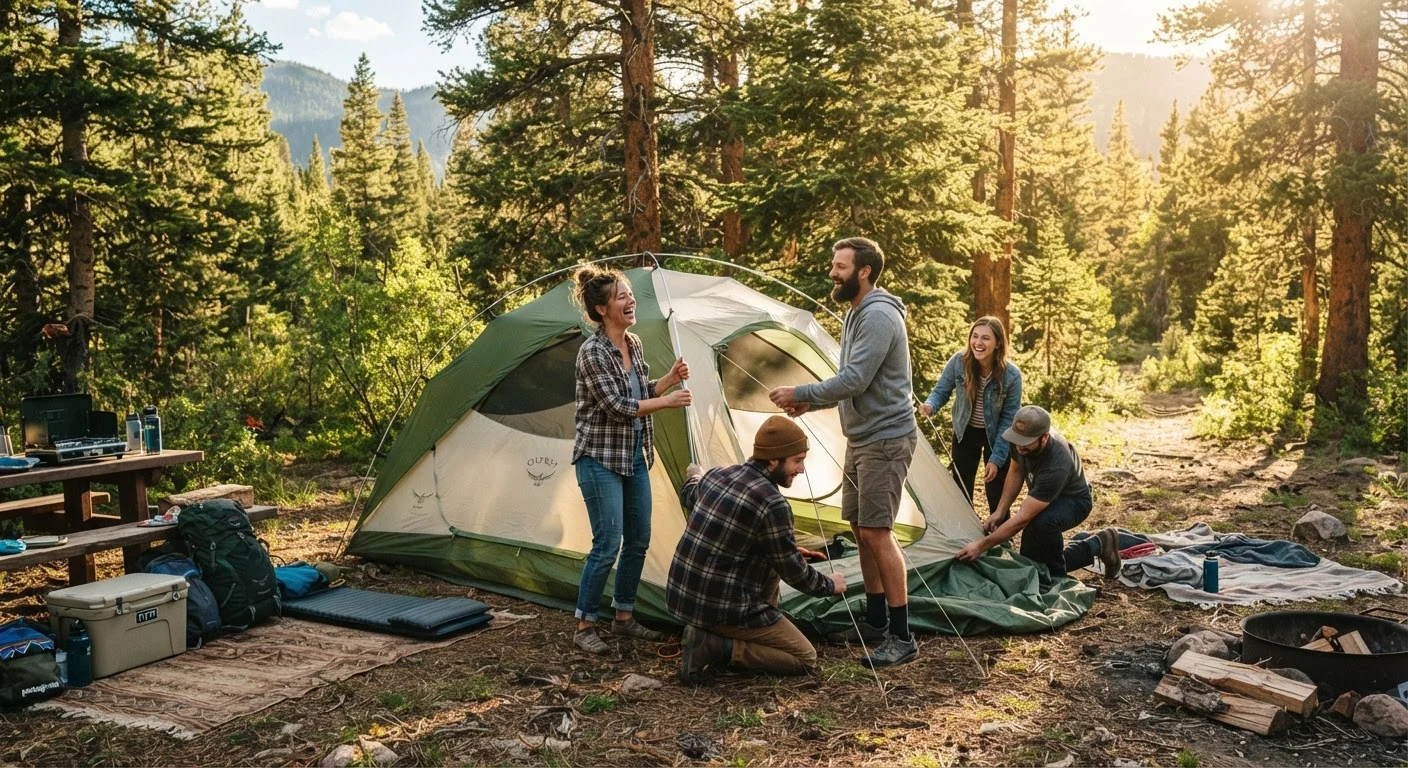
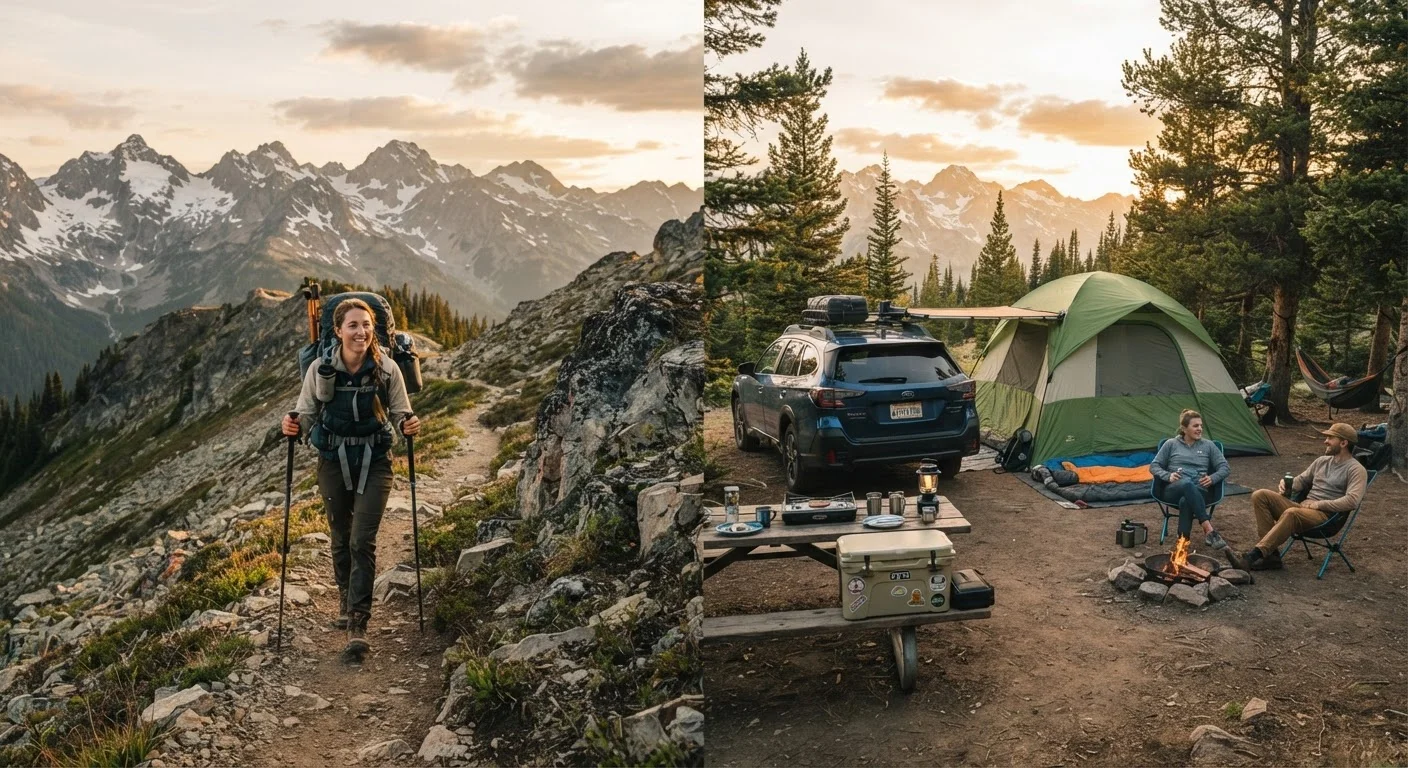
At first glance, both styles share the same basics: a tent, sleeping bag, and a night beneath the stars. But the experience on the ground — pun intended — is dramatically different. Car camping means driving to a designated campsite and unloading your gear directly from your vehicle. You can pack as much as fits in the trunk: a full-size cooler, a camp kitchen, a folding table, even battery-powered lanterns. Backpacking means every single item you need must fit inside a pack you carry on your back, typically ranging from 30 to 65 liters, across miles of trail to reach a campsite.
That weight constraint changes everything — gear selection, meal planning, footwear, even how you think about comfort. Backpackers obsess over ounces; car campers can splurge on a cast-iron skillet without a second thought. Neither approach is superior; they simply serve different goals and different people.
If you're brand new to sleeping outdoors, our beginner's camping guide walks you through gear lists, campsite selection, and what to expect on your first night out.
Gear, Cost, and the Learning Curve
Car camping has a low entry bar. A decent tent, a sleeping bag rated to the expected nighttime temperature, a sleeping pad, and basic cookware are enough to get started. Many of these items are available at general outdoor retailers for a few hundred dollars total, and a lot of people already own usable pieces.
Backpacking gear carries a higher price tag because weight and packability are non-negotiable. A lightweight backpacking tent, sleeping bag, and pack alone can run several hundred to over a thousand dollars for quality setups, though budget-friendly options exist. Freeze-dried meals, water filtration, and trekking poles add to the list. The skills curve is steeper too — navigation, Leave No Trace practices, and managing hydration over long distances all matter more when you're miles from the nearest road.
| Criterion | Backpacking | Car Camping |
|---|---|---|
| Gear weight limit | Strict — every ounce counts | None — pack what you want |
| Entry-level gear cost | Higher ($400–$1,000+) | Lower ($150–$400) |
| Physical demand | High — miles of hiking with a load | Low — drive to your site |
| Access to remote areas | Excellent | Limited to road-accessible sites |
| Group & family friendliness | Challenging with large groups | Very accommodating |
| Solitude potential | High in backcountry | Lower at developed campgrounds |
| Meal flexibility | Limited to lightweight options | Full cooler and camp kitchen possible |
| Skills required | Navigation, Leave No Trace, pacing | Basic campsite setup |
That said, once the gear is purchased, both styles become very affordable. Most developed campgrounds in the US National Forest and state park systems charge modest nightly fees, and backcountry permits — while required in many areas — are often free or low-cost.
The Experience: Comfort vs. Connection
Car camping excels at social experiences. A group can gather around a proper campfire setup with camp chairs, coolers stocked with real food, and enough space for everyone to spread out. It's ideal for families introducing kids to the outdoors, friend groups celebrating a long weekend, or anyone who wants nature's backdrop without sacrificing a good night's sleep on a comfortable pad.
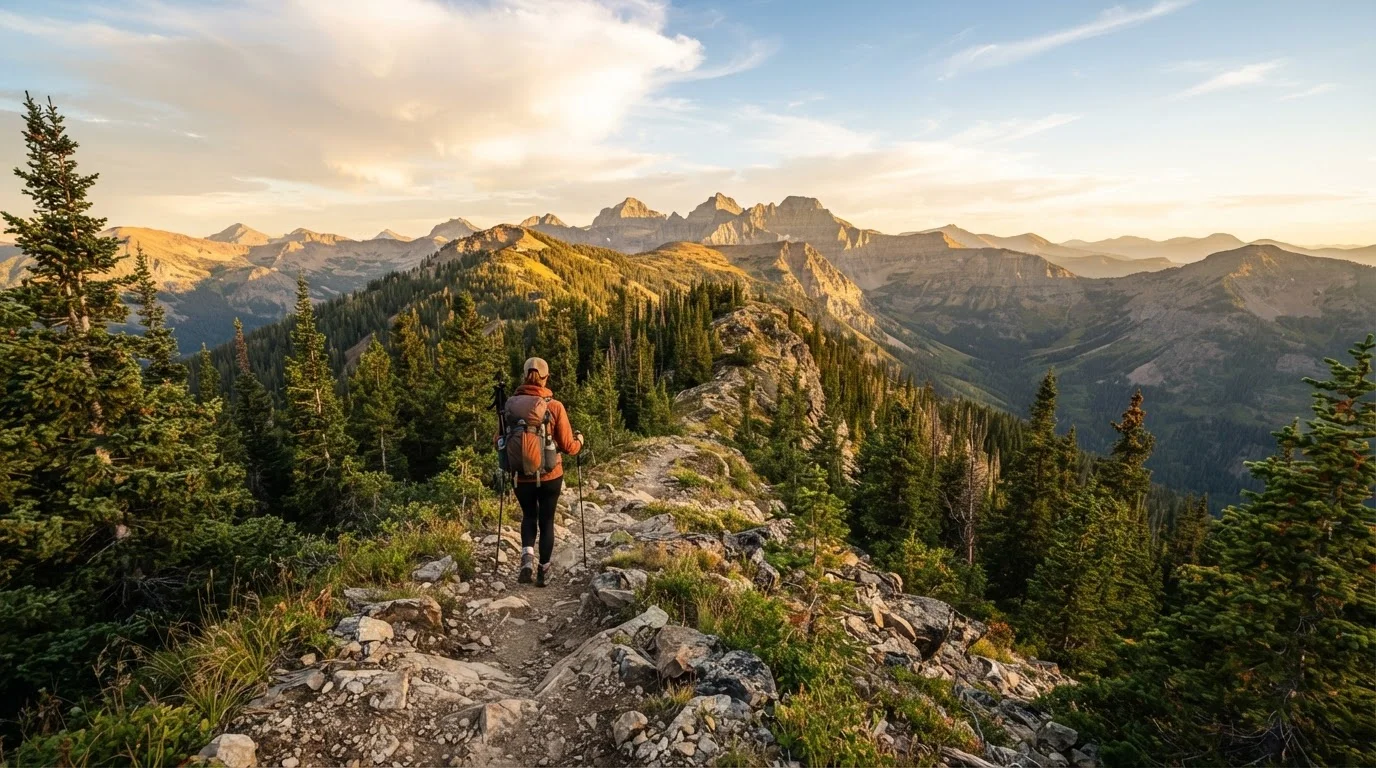
Backpacking trades comfort for depth of experience. The effort of reaching a remote alpine lake or ridge-top campsite creates a sense of earned reward that drive-in camping rarely matches. Solitude is more accessible — popular car campgrounds fill up fast, especially on holiday weekends, while backcountry sites often feel genuinely secluded. The simplicity of relying only on what's in your pack also tends to sharpen your awareness of the landscape around you.
It's worth noting that the two styles aren't mutually exclusive. Many campers start at drive-in sites, build skills and fitness, then gradually transition to overnight hikes. Others never feel the pull toward backcountry and find car camping endlessly satisfying — which is a completely valid outdoor life.
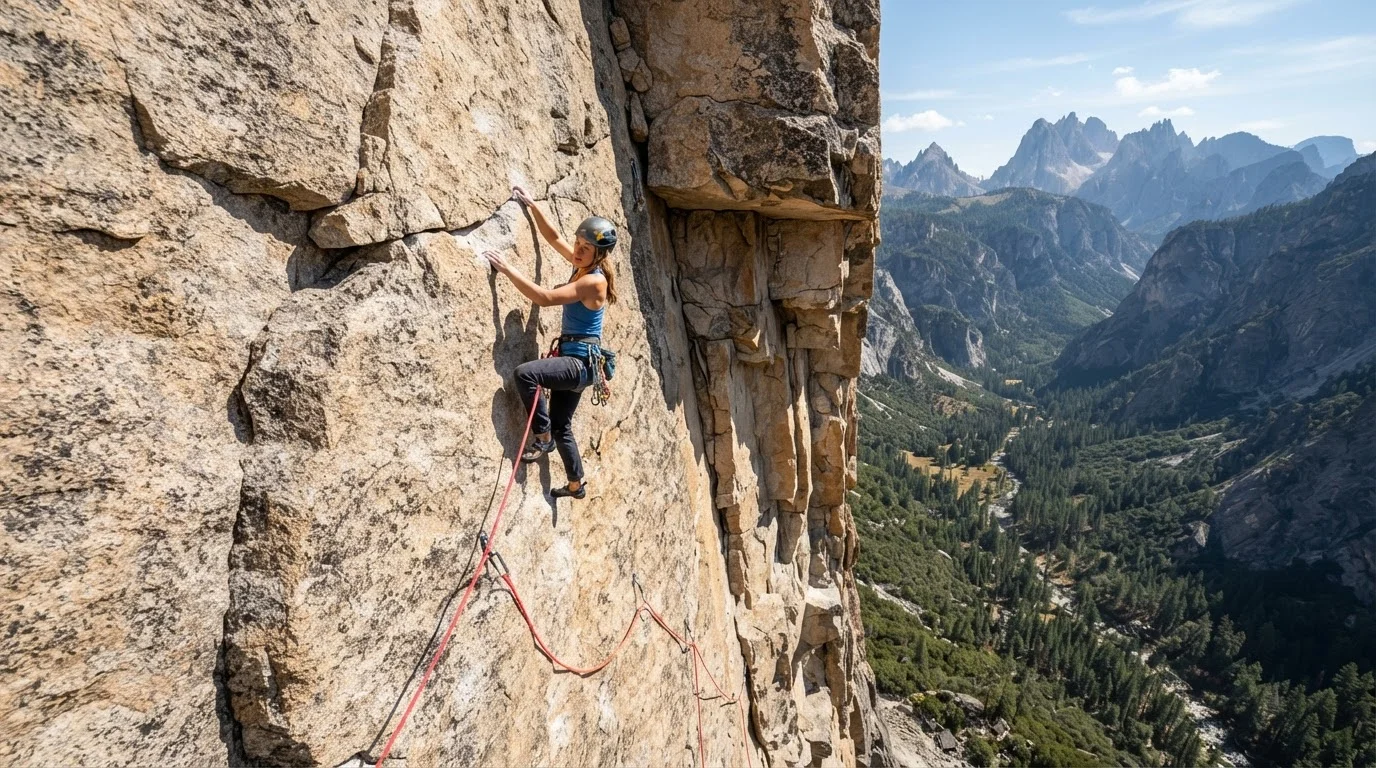
For those interested in pairing camping trips with other outdoor pursuits, it's worth exploring how different disciplines compare. See how trail difficulty ratings work before planning a backpacking route, or check out our look at rock climbing disciplines if you want to add vertical adventure to your trips.
How to Choose Based on Your Situation
A few honest questions help clarify which style is the right fit right now:
- How's your fitness level? Backpacking with a loaded pack demands cardiovascular endurance and strong legs. If you're not currently hiking regularly, starting with car camping while building trail fitness is a smart approach.
- Who's coming with you? Groups with young children, older adults, or people with mobility considerations will almost always have a better time car camping, where access and amenities are far more forgiving.
- What kind of scenery do you want? Iconic backcountry destinations — think remote high-altitude lakes or slot canyon camps — are often only accessible on foot. If the destination matters as much as the camping itself, backpacking may be worth the investment.
- How much time do you have? A single night or weekend trip is manageable either way, but car camping requires less planning overhead. Multi-day backpacking trips reward the extra preparation with richer experiences.
Whatever you choose, getting outside is the point. Both styles connect you with nature in ways that a weekend at home simply can't replicate. Start where you are, build from there, and let the outdoors do the rest.
57 million
Americans who camp each year
According to the Outdoor Foundation's annual Outdoor Participation Report, tens of millions of Americans camp annually, making it one of the country's most popular outdoor activities.
~30%
Campers who backpack overnight
Industry participation surveys consistently show that backpacking represents a meaningful but smaller share of total camping activity, with most campers preferring vehicle-accessible sites.
193 million
Acres in the US National Forest System
The US Forest Service manages nearly 193 million acres across 44 states, offering a vast network of both developed campgrounds and backcountry camping opportunities.