Why Spec Sheets Can Mislead You
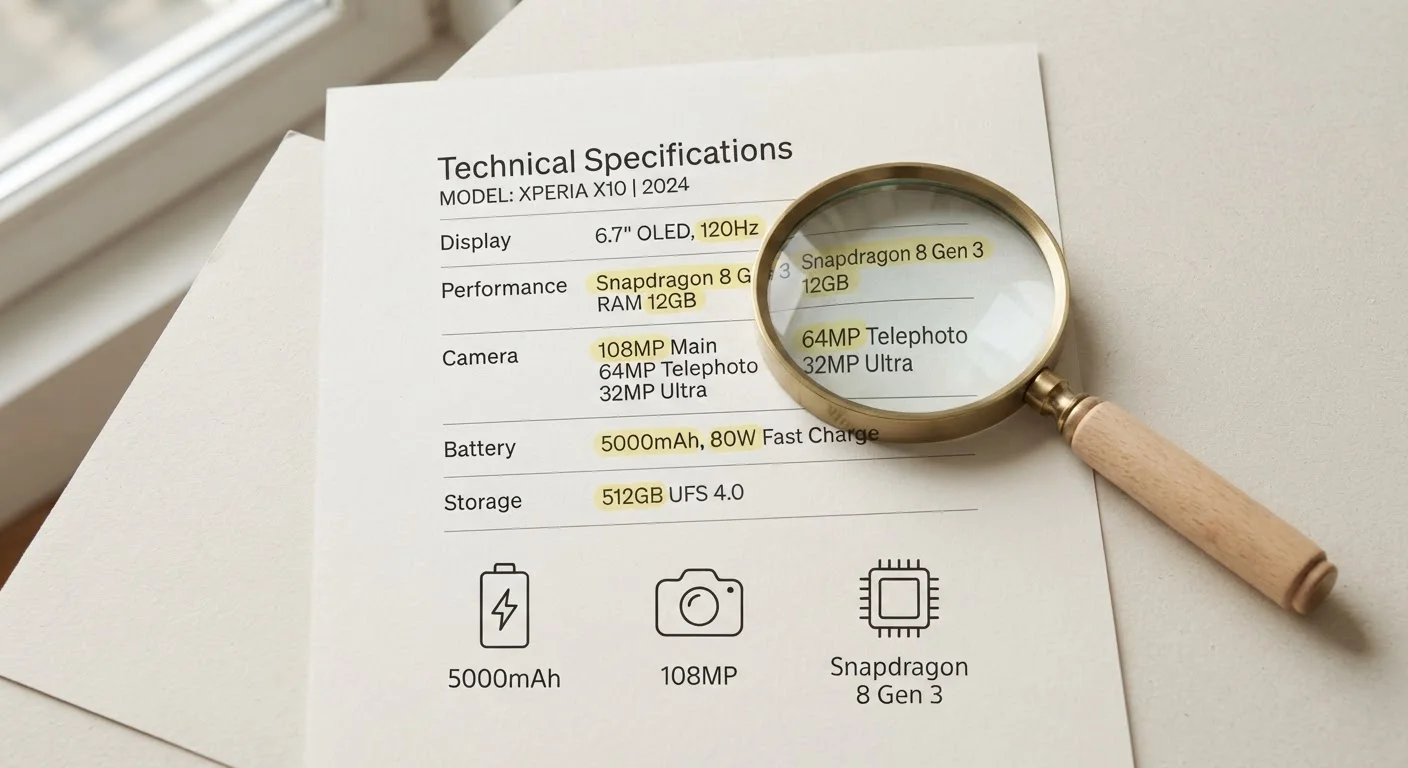
When you're researching a new smartphone, the spec sheet is the first thing you see — and often the most confusing. Manufacturers select figures that look impressive in a side-by-side comparison, but impressive numbers don't always translate into a better experience in your hand. Understanding which specs reflect real-world outcomes — and which are mostly marketing decoration — is one of the most useful skills a phone buyer can develop.
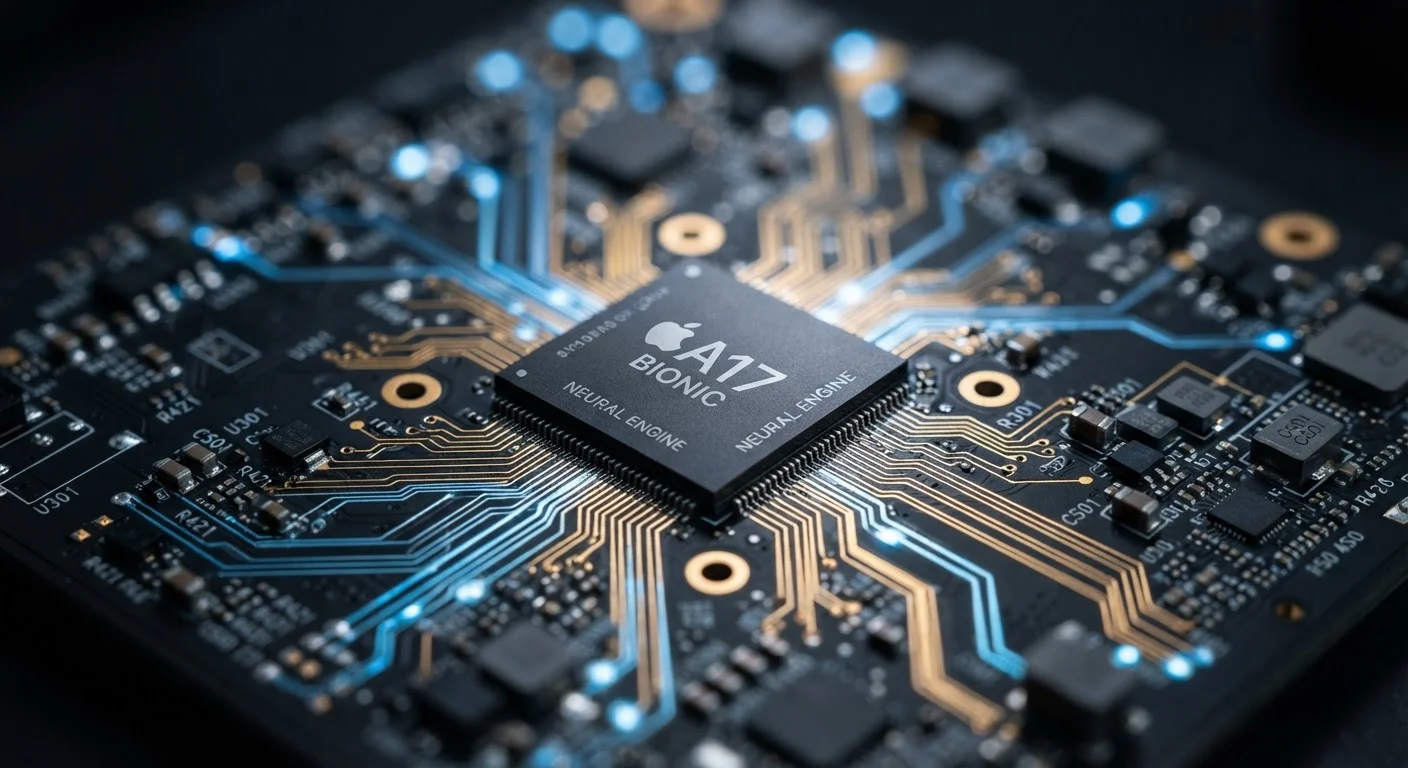
The core problem is that individual specs rarely exist in isolation. A camera sensor's megapixel count means almost nothing without knowing the lens aperture, pixel size, and the quality of the computational photography software behind it. Similarly, a processor's clock speed in gigahertz tells you very little without knowing its architecture and efficiency design. For a deeper look at how processor specs interact, see our guide on what smartphone chips actually do.
The good news: once you know what to look for, spec sheets become genuinely useful documents rather than walls of intimidating numbers.
| RAM sweet spot for most users | 6–8 GB (General industry consensus across mid-range devices) |
| Refresh rate threshold for noticeable smoothness | 90–120 Hz (Widely cited in display technology reviews) |
| Most overhyped camera spec | Megapixel count (Consistently noted in camera benchmark analyses) |
| Storage standard to look for | UFS 3.1 or higher (UFS versioning defined by JEDEC standards body) |
| Least predictive performance spec | Processor GHz (clock speed) (Industry consensus on heterogeneous chip architectures) |
Specs Worth Reading Carefully
RAM (Random Access Memory): RAM determines how many tasks your phone can juggle simultaneously without slowing down. For most users, 6–8 GB is a comfortable range for multitasking. More RAM generally helps with keeping apps loaded in the background, though the operating system's memory management matters too — so raw numbers aren't the whole story.
Battery capacity (mAh): Milliamp-hours tell you how much charge a battery can hold, but battery life also depends heavily on the display size, processor efficiency, and software optimization. A phone with a slightly smaller battery but a more efficient chip may outlast a phone with a larger one. Look for independent real-world battery tests alongside the mAh figure.
Display refresh rate (Hz): Refresh rate describes how many times per second the screen redraws its image. A 60 Hz display is standard; 90–120 Hz feels noticeably smoother for scrolling and gaming. This is a spec where the number does map fairly directly to a perceivable difference. See also our companion piece on display panel technology.
Storage type: Look for UFS (Universal Flash Storage) version numbers rather than just total gigabytes. Newer UFS versions read and write data faster, which affects how quickly apps launch and files transfer — not just how much you can store.
Specs You Can Usually Deprioritize
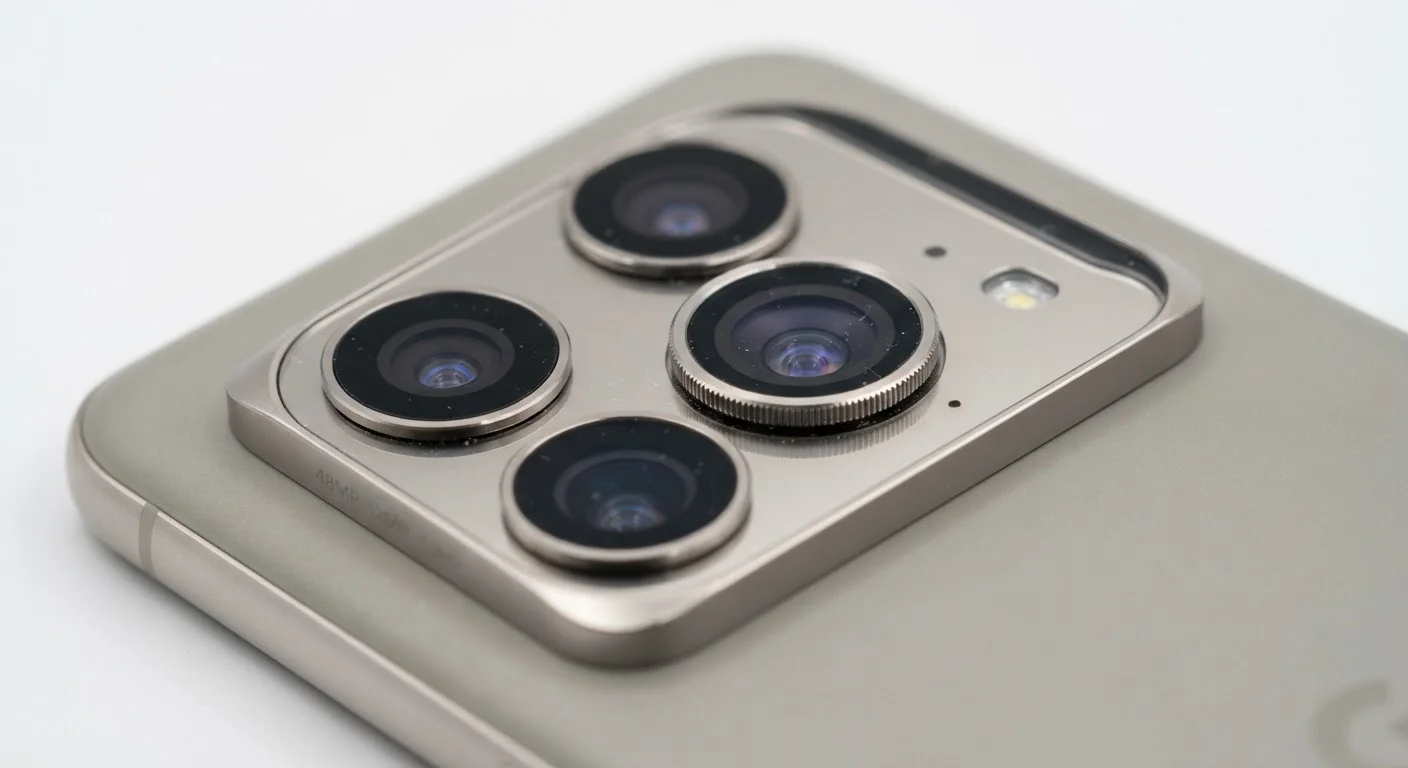
Megapixels: This is probably the most misread spec in consumer electronics. A higher megapixel count does not automatically mean sharper or better photos. Pixel size, aperture width, image stabilization, and software processing often matter more. A 12-megapixel camera with large pixels and strong computational photography can outperform a 200-megapixel sensor with smaller pixels in low-light conditions. Our guide on what actually affects photo quality breaks this down in detail.
Processor clock speed (GHz): Raw clock speed has been a poor predictor of real-world performance for years. Modern mobile chips use heterogeneous core designs — mixing high-performance cores with efficiency cores — making GHz comparisons between different chip architectures essentially meaningless. Benchmark scores and independent performance reviews are far more informative. The same caution applies to laptop CPUs; common CPU spec misconceptions explores this further.
Number of cameras: A triple or quad camera array sounds impressive, but auxiliary lenses vary widely in quality. Some ultrawide or telephoto lenses on budget devices use very small, low-quality sensors that produce noticeably inferior images compared to the main camera. The presence of multiple cameras is not itself a quality guarantee.
For a broader look at how manufacturers use spec language to their advantage, the article on spec sheet traps applies many of the same principles to other device categories. And if you've encountered persistent myths about phone performance — like the idea that closing apps improves battery life — smartphone performance myths debunked addresses those directly.