
Why These Myths Keep Spreading
Smartphone myths survive because they contain a grain of plausible logic, get passed along by confident sources, and rarely get corrected in everyday conversation. A friend tells you to close your apps to save battery, it sounds reasonable, and so the idea travels. Tech marketing compounds the problem by emphasizing numbers — megapixels, RAM, processor cores — without explaining what those numbers actually mean in practice.
Understanding how your phone really works doesn't require an engineering degree. It just requires swapping out a few persistent misconceptions for evidence-based explanations. For a broader look at which spec-sheet numbers deserve your attention, see our field guide to smartphone specs.
Myth
Force-closing apps saves battery life and speeds up your phone.
Fact
Closing apps and immediately relaunching them typically uses more battery than leaving them suspended in the background.
Modern mobile operating systems — both iOS and Android — are built to manage background apps automatically. A suspended app consumes almost no CPU cycles and very little memory. When you force-close it and reopen it later, the processor has to load it fresh from storage, burning more energy than if the app had simply stayed cached. The habit feels productive but often works against you.
Myth
More megapixels means a better smartphone camera.
Fact
Megapixel count describes resolution only — it has no direct bearing on image quality, low-light performance, or color accuracy.
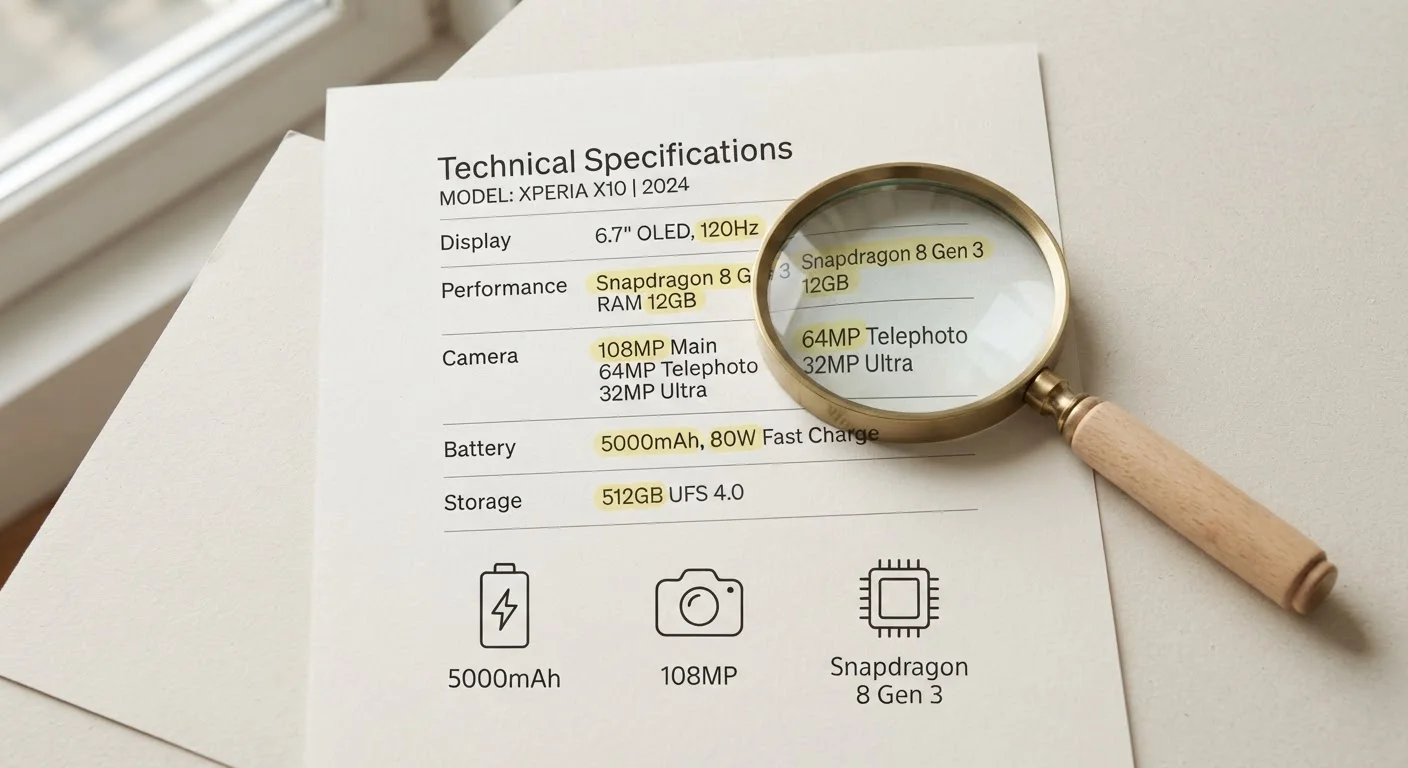
A megapixel measures how many individual pixels a sensor can capture. But image quality depends heavily on the physical size of each pixel, the size of the sensor itself, the quality of the lens optics, and the computational processing applied after the shutter fires. A camera with fewer, larger pixels on a bigger sensor will typically outperform a high-megapixel camera with a small sensor in dim conditions — which is where most people feel photo quality most acutely.
Myth
Charging your phone overnight ruins the battery.
Fact
Phones manufactured in the last several years include charge management hardware that stops drawing power once the battery reaches full capacity.
Lithium-ion batteries can be damaged by prolonged overcharging, but smartphone designers addressed this years ago with dedicated charging circuits that taper or cut off charging at 100%. Some operating systems even add a software layer that learns your schedule and intentionally delays reaching full charge until shortly before you typically wake up, further reducing stress on the battery. The overnight charging myth is understandable given older battery chemistry, but it no longer reflects how modern phones work.
Myth
More RAM always makes a phone faster.
Fact
RAM improves multitasking by keeping more apps ready in the background, but beyond a practical threshold, additional RAM yields no noticeable speed benefit for everyday use.
RAM — short for random-access memory — acts as a phone's short-term workspace, holding recently used apps so they reopen instantly. Once a phone has enough RAM to keep your commonly used apps loaded simultaneously, adding more provides diminishing returns for typical usage like browsing, messaging, or streaming. Processor speed, storage read/write performance, and software optimization are more likely bottlenecks than RAM for most users. Confusing RAM with storage is also extremely common — they serve completely different functions.
Myth
A factory reset will fix a phone that has become slow over time.
Fact
If slowdown is caused by aging hardware — particularly battery degradation affecting peak processor performance — a factory reset will provide only temporary or minimal relief.
A factory reset eliminates software clutter and can help a phone that has slowed due to accumulated junk data or a problematic app. However, many phones slow down as their batteries age because the operating system deliberately throttles processor performance to prevent unexpected shutdowns when a degraded battery can no longer deliver peak power. No software reset changes underlying hardware condition. If your phone is several years old and noticeably slower, the battery's health — not your installed apps — is often the more important variable to investigate first.
What Actually Drives Smartphone Performance
Real-world performance comes from the interplay between a phone's processor, memory management, operating system optimizations, and software efficiency — not any single spec in isolation. The processor's architecture and its efficiency cores (designed for background tasks) often matter more than raw clock speed. Our article on how smartphone chips work covers this in depth.
RAM matters, but modern mobile operating systems are designed to manage it intelligently. And storage type — specifically how fast your phone can read and write data — affects launch times far more than most buyers realize. These interconnected factors explain why two phones with similar specs on paper can feel noticeably different to use. For a clear breakdown of the RAM versus storage confusion specifically, see Mobile RAM vs. Storage.
Camera and Battery Myths Worth Retiring
Camera and battery performance are two areas where consumer intuition is especially prone to mislead. Megapixel counts are easy to market and easy to compare, but they say almost nothing about low-light capability, dynamic range, or color accuracy — the qualities that actually define a photo you'd want to keep. Lens optics, sensor physical size, and computational photography algorithms all play larger roles. Our deeper look at what actually affects phone camera quality explains these factors in plain terms.
On the battery side, the myth that overnight charging damages your phone has been largely obsolete since phones adopted charge management hardware. That said, certain other habits — like regularly draining to zero or sustained exposure to heat while charging — do cause measurable degradation over time. See charging habits that shorten battery life and why batteries degrade for the chemistry behind it.