The Real Cost Difference Between Carry-On and Checked Bags
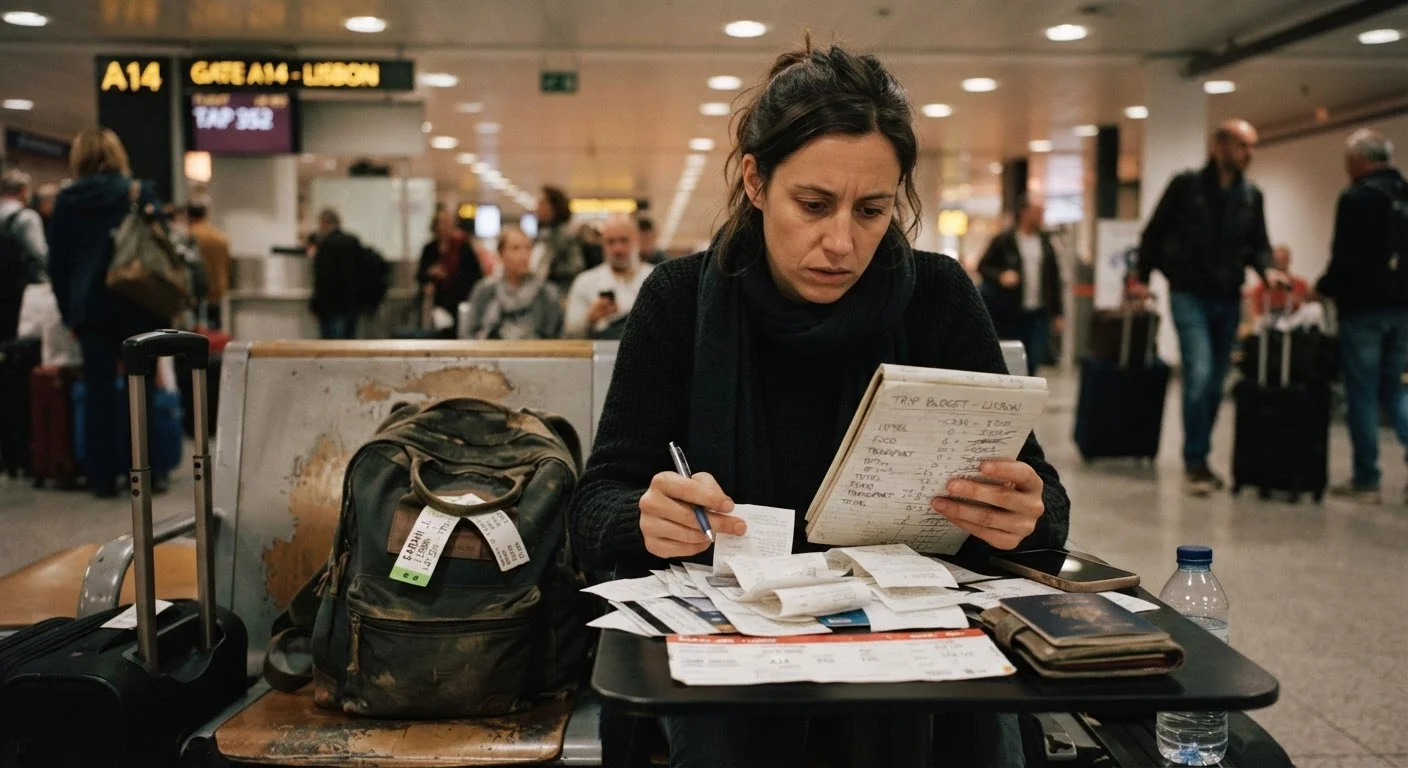
The financial case for carry-on travel is straightforward: most U.S. airlines charge $30–$70 per checked bag, per direction. On a round trip with two travelers, that's potentially $280 or more before you've bought a single meal. Budget-oriented travelers can find more context on how these charges accumulate in our guide to overlooked costs that quietly derail a travel budget.
That said, checked bag fees aren't universal. Some airline credit cards waive first-bag fees, and certain fare classes include checked luggage. Before assuming a carry-on is cheaper, verify your specific airline's current policy — fees and inclusions change, and what applies to one fare tier may not apply to another.
Time is the less-discussed cost. Checking a bag at departure adds 15–30 minutes of queuing and processing. At arrival, baggage claim routinely adds another 20–40 minutes. For a short trip, that's over an hour of potential travel time traded for the convenience of extra packing space.
| Criterion | Carry-On Bag | Checked Bag |
|---|---|---|
| Typical airline fee | Usually free (size-dependent) | $30–$70 per bag, each way |
| Packing capacity | ~40–45 liters | 50–100+ liters |
| Airport time added | Minimal | 30–70 minutes round trip |
| Risk of loss or delay | Very low (stays with you) | Low but present, higher on connections |
| Ease during transit | High — compact and maneuverable | Lower — heavier and bulkier |
| Best trip length | Up to 7–10 days with planning | 10+ days or specialized needs |
| Liquids/TSA restrictions | 3-1-1 rule applies strictly | No liquid size restrictions |
Packing Strategy: What Actually Fits and What Doesn't
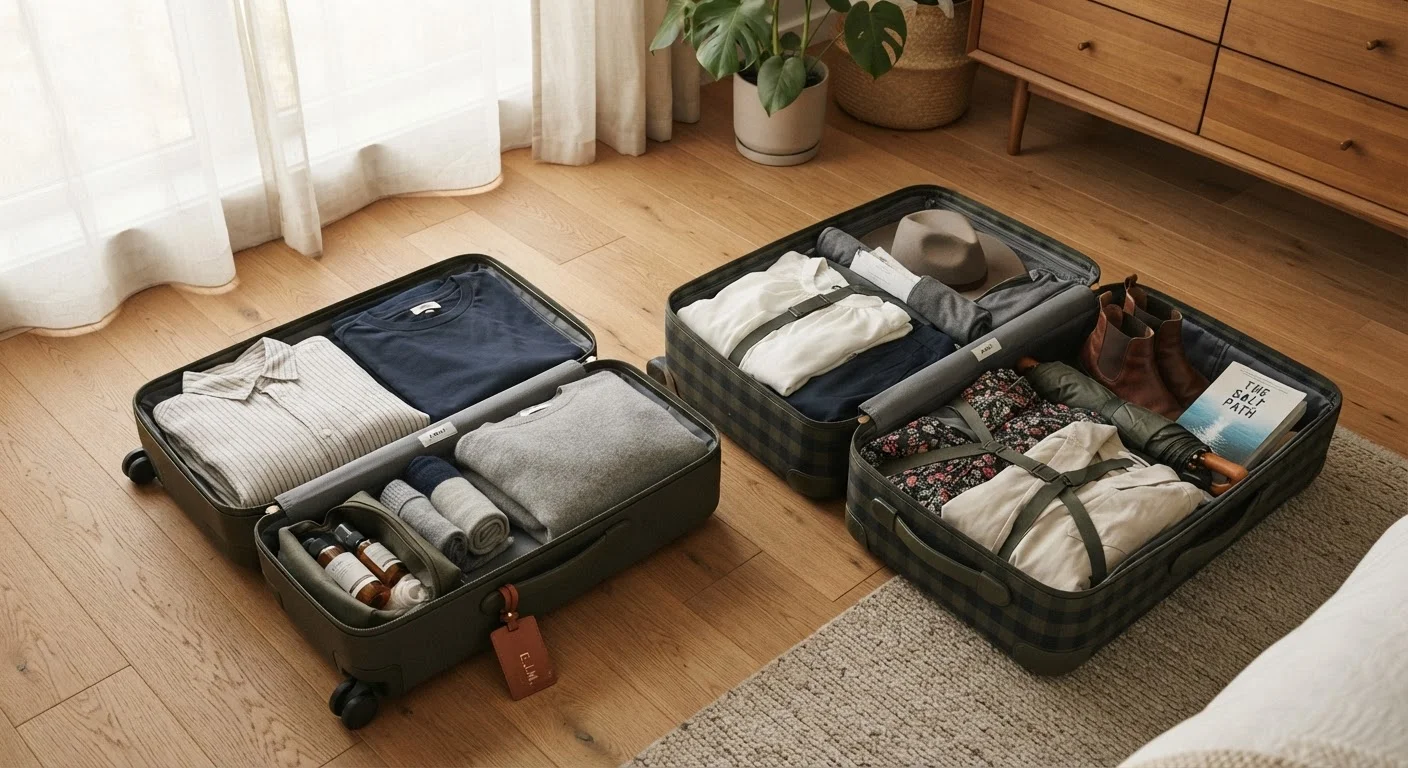
Most domestic carry-on size limits allow bags up to approximately 22 x 14 x 9 inches, though this varies by airline and aircraft type. That volume — roughly 40–45 liters — is sufficient for up to 7–10 days of travel when packing discipline is applied. Rolling clothes, using packing cubes, and wearing your bulkiest items on travel days are proven techniques for maximizing that space.
The carry-on constraint becomes real when trips involve formal attire, outdoor or athletic gear, or climate-specific clothing that doesn't compress well. A skiing trip, a wedding abroad, or a three-week itinerary spanning multiple climates are scenarios where checked luggage often earns its fee.
For most other trips, the habit of overpacking — not the bag size — is the actual problem. A checked bag doesn't solve poor packing judgment; it just hides it until you're hauling an overloaded suitcase across cobblestones.
One practical middle path: a standard carry-on combined with a personal item (such as a backpack or tote) that fits under the seat. Most airlines permit this combination, and it effectively gives travelers two layers of organized storage without any checked bag fee.
When Your Itinerary Should Drive the Decision
Luggage choice isn't just about clothes — it's about how your trip is structured. Consider these itinerary-specific factors:
- Connecting flights: The more connections you have, the higher the risk of checked luggage being delayed or misdirected. On tight connections, going carry-on-only eliminates that variable entirely. Our piece on flight layovers and long connections covers how connection time affects your overall travel risk.
- Ground transportation: If your plan involves trains, buses, or frequent hotel changes, a heavy checked bag becomes a physical burden at every transition. Carry-on bags are dramatically easier to manage in transit.
- Accommodation type: Hotels often provide toiletries, hair dryers, and other basics — which means you may be able to leave more at home. Knowing what hotels supply and what to bring yourself can shift your packing calculus significantly.
Before your next trip, a structured pre-departure review — like the one outlined in our budget traveler's pre-trip checklist — can help you make this call with clear information rather than last-minute guesswork.
Making the Final Call: A Practical Framework
Neither option is universally superior. The right choice depends on a combination of trip length, airline policy, itinerary complexity, and personal packing habits. Use this general framework:
- Check your airline's current bag fees before assuming carry-on is cheaper — some fare classes or loyalty programs change the math.
- Estimate your actual clothing volume honestly. If you've checked a bag on every past trip and returned with unworn items, a carry-on is likely sufficient.
- Factor in transit complexity. More connections and more ground travel favor lighter, carry-on-only packing.
- Consider trip purpose. Adventure gear, formal events, or medical equipment may genuinely require the volume a checked bag provides.
Luggage decisions are one component of a broader travel budgeting approach. For a more complete view of how packing choices connect to overall trip costs, see our guide on stretching a travel budget from start to finish.
Ultimately, the best packing strategy is the one that matches your actual trip — not an abstract ideal of minimalist travel or unlimited comfort.