Why Overpacking Is a Bigger Problem Than It Looks
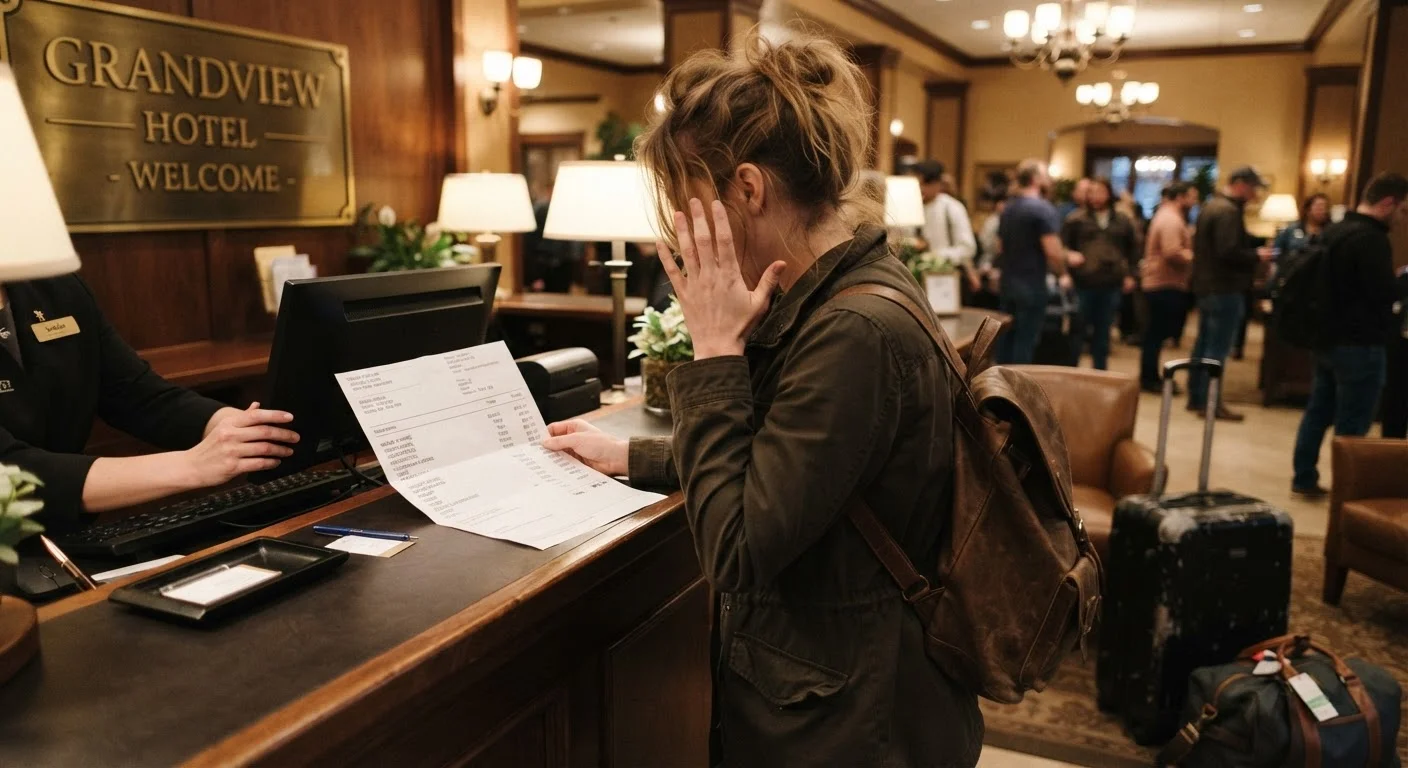
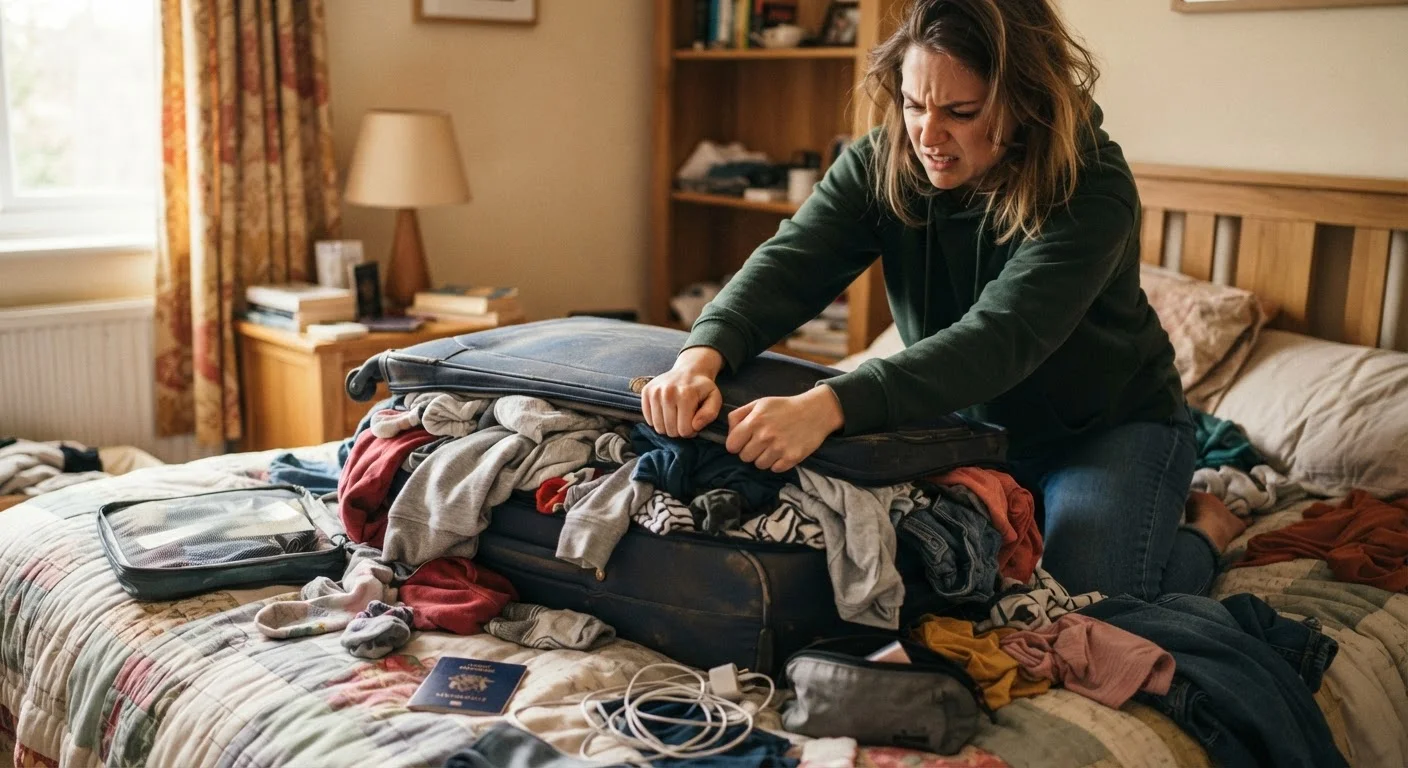
Most travelers think of overpacking as a minor inconvenience — a bag that's a bit heavy, maybe a fee at the gate. In practice, it creates a ripple of costs and friction that follows you across the entire trip. Heavy luggage limits where you can stay, how you get around, and how spontaneous you can be once you arrive.
Consider the downstream effects: a bag too large for public transit forces a taxi. A checked bag that can't be carried through cobblestone streets means choosing hotels near transport hubs over the ones you actually wanted. A slow bag carousel eats into a tight connection window. None of these costs appear on the packing checklist, but every one of them is real.
For a fuller picture of the charges travelers routinely underestimate, see The Hidden Costs That Inflate Your Travel Budget. Overpacking feeds directly into the category of expenses that quietly inflate what a trip actually costs.
Packing for every possible scenario instead of the actual itinerary.
Why it happens: Uncertainty about conditions at the destination triggers anxiety-driven packing, where travelers add items for every conceivable situation rather than the most likely ones.
Treating a large bag as permission to fill it completely.
Why it happens: Travelers often choose the biggest bag they own on the assumption that more space means more preparedness. Available space gets filled almost automatically.
Packing duplicate or redundant items "just in case one fails."
Why it happens: Risk aversion leads people to bring backups — two chargers, three pairs of similar shoes, multiple versions of the same clothing type — that collectively add significant weight.
Ignoring the weight and bulk of toiletries and liquids.
Why it happens: Full-size toiletry bottles feel like the default, and travelers often overlook how much collective weight they add before a single piece of clothing goes in.
Failing to account for items acquired during the trip.
Why it happens: Packing feels like a one-time task, so travelers fill the bag to capacity at the start without leaving room for souvenirs, gifts, or purchases made along the way.
The Planning Mindset That Fixes Overpacking Before You Pack
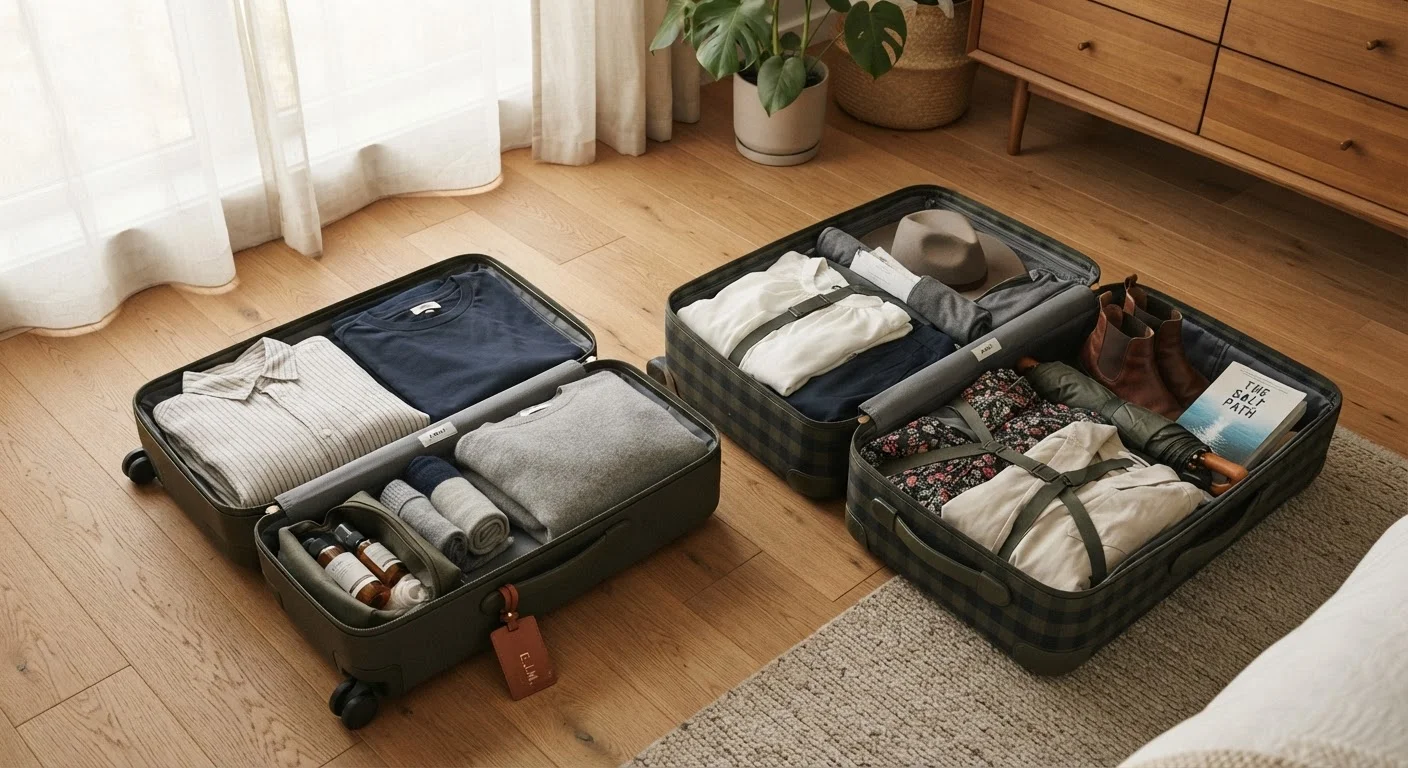
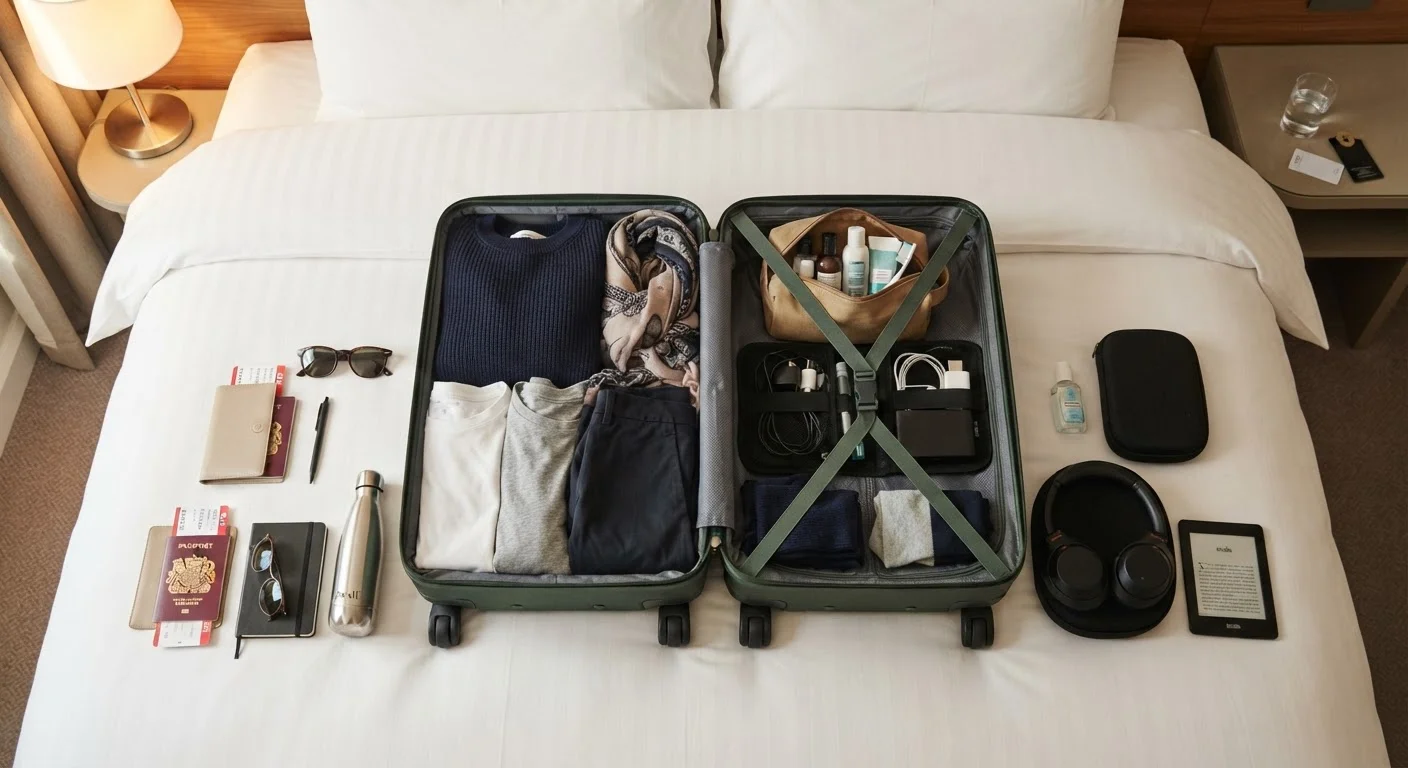
The solution to overpacking isn't willpower at the suitcase — it's a different approach to planning. Experienced travelers build their packing list around planned outfits for specific days, not around abstract categories like "tops" or "just in case" items. The question shifts from what might I need? to what will I actually wear on Tuesday?
A useful benchmark: most people can travel comfortably for up to two weeks with a carry-on if they plan for laundry access every four to five days. Hotels, laundromats, and hand-washing in a sink can all serve this purpose. Halving your clothing load cuts bag weight, eliminates checked-bag fees, and often makes the difference between carry-on and checked travel entirely.
If you're weighing the carry-on versus checked-bag decision, Carry-On vs. Checked Bag: Packing Strategies That Actually Save Time breaks down the real trade-offs by trip type and duration.
$150–$200+
Average round-trip checked bag fee on domestic US routes
Airline baggage fees vary by carrier and fare class, but two checked bags round-trip can routinely exceed $150–$200 on major US carriers as of recent fare structures.
~50%
Packed items travelers report never using
Travel surveys consistently find that roughly half the contents of checked luggage go unused over the course of a trip, suggesting most packing lists are built around anxiety rather than need.
Setting a firm weight or volume limit before you start packing also works as a useful constraint. Once you've chosen your bag, fill it — then remove at least two items you initially included. That final edit almost always targets things you would never have reached for anyway. For hotel-specific packing guidance, Packing for Your Hotel Stay covers what seasoned travelers bring and what they confidently skip.
Managing packing well is also one of the most direct ways to keep a trip on budget. For a comprehensive look at spending less across every stage of a journey, the Stretching a Travel Budget from Start to Finish guide is a practical companion resource.