How Each Mortgage Structure Works
A fixed-rate mortgage sets your interest rate on day one and holds it there for the entire repayment term — commonly 15 or 30 years. Your principal-and-interest payment never changes, regardless of what happens in the broader interest rate environment. This makes fixed-rate loans straightforward to budget around. They are the most common mortgage type in the United States for that reason.
An adjustable-rate mortgage (ARM) works differently. It begins with an initial fixed-rate period — often three, five, or seven years — during which your rate and payment are stable. After that period ends, the rate adjusts at scheduled intervals (typically annually) based on a benchmark index such as the Secured Overnight Financing Rate (SOFR), plus a set margin determined by the lender. A 5/1 ARM, for example, fixes the rate for five years, then adjusts once per year thereafter. Most ARMs include rate caps that limit how much the rate can move in any single adjustment and over the life of the loan, which provides some downside protection — but not full insulation from higher payments.
Understanding how secured debt like a mortgage differs from unsecured borrowing is useful context before committing to either structure.
Side-by-Side Comparison
The table below captures the most meaningful practical differences between the two mortgage types across key decision criteria.
| Criterion | Fixed-Rate Mortgage | Adjustable-Rate Mortgage (ARM) |
|---|---|---|
| Interest Rate | Locked for full loan term | Fixed initially, then adjusts periodically |
| Initial Rate Level | Typically higher than ARM's initial rate | Usually lower during initial fixed period |
| Payment Predictability | Fully predictable throughout term | Predictable only during initial period |
| Rate-Change Risk | None | Present after initial period ends |
| Rate Caps | Not applicable | Periodic and lifetime caps apply |
| Common Loan Terms | 15 or 30 years | 30 years (with 3, 5, 7, or 10-year fixed period) |
| Ideal Time Horizon | Long-term (7+ years in home) | Short-to-medium term (under 7 years) |
| Complexity | Simple and transparent | Requires understanding index, margin, and caps |
The Real Risks and Trade-Offs
The primary risk of a fixed-rate mortgage is that you may pay a rate premium for predictability you don't end up needing. If rates fall significantly after you close, you'd need to refinance — incurring closing costs — to benefit from the drop.
With an ARM, the central risk is payment shock: after the initial period, rates can rise, sometimes substantially within the cap structure. A buyer who stretches to afford an ARM's initial payment may find the adjusted payment genuinely difficult. That said, rate caps (periodic caps and lifetime caps) do limit exposure. ARMs also tend to have lower initial rates because the lender shares some interest-rate risk with the borrower.
Understanding ARM Rate Caps
Most ARMs come with a three-part cap structure: an initial adjustment cap (limits the first rate change), a periodic adjustment cap (limits each subsequent change), and a lifetime cap (the maximum the rate can ever rise above the starting rate). A common structure is 2/2/5 — meaning the rate can rise no more than 2% at first adjustment, 2% at each subsequent adjustment, and 5% total over the life of the loan. Always confirm the specific cap structure with your lender before signing.
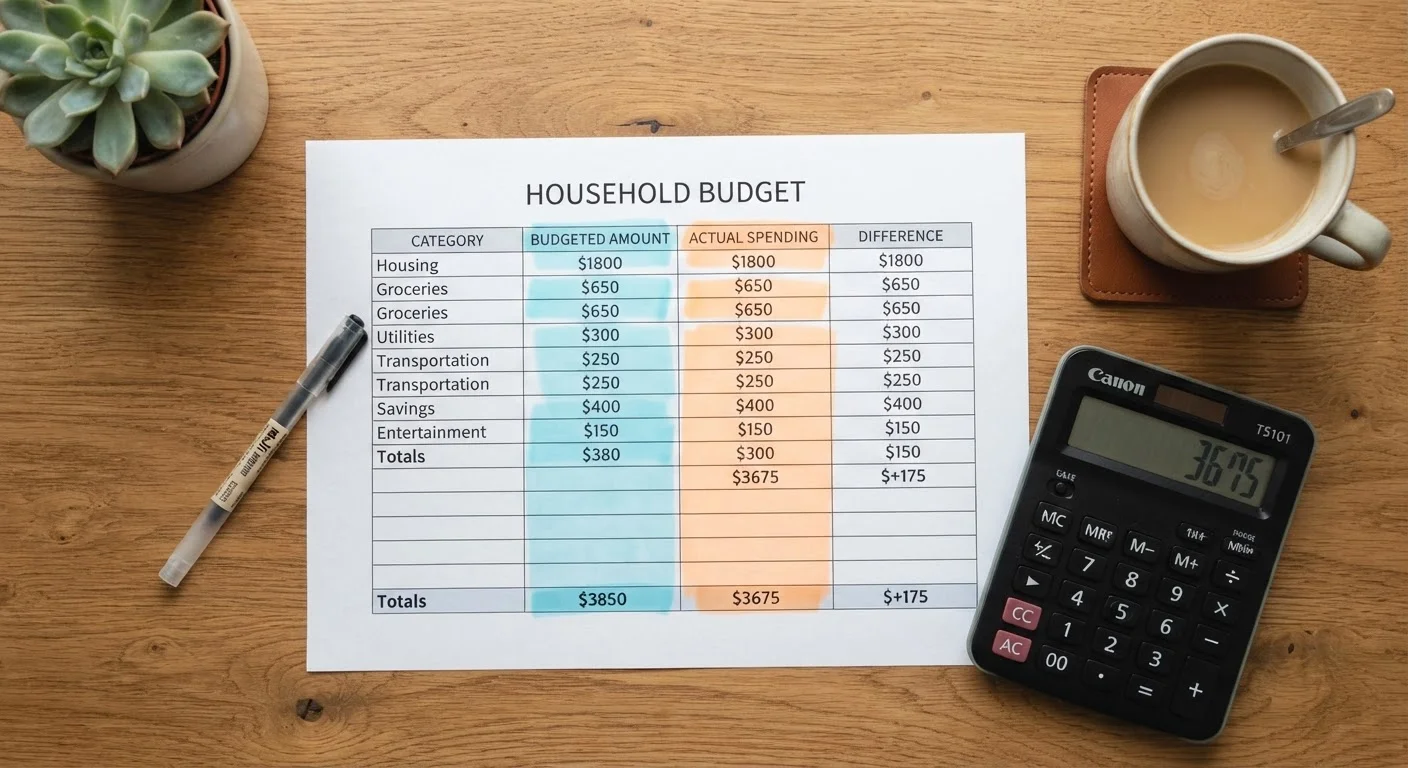
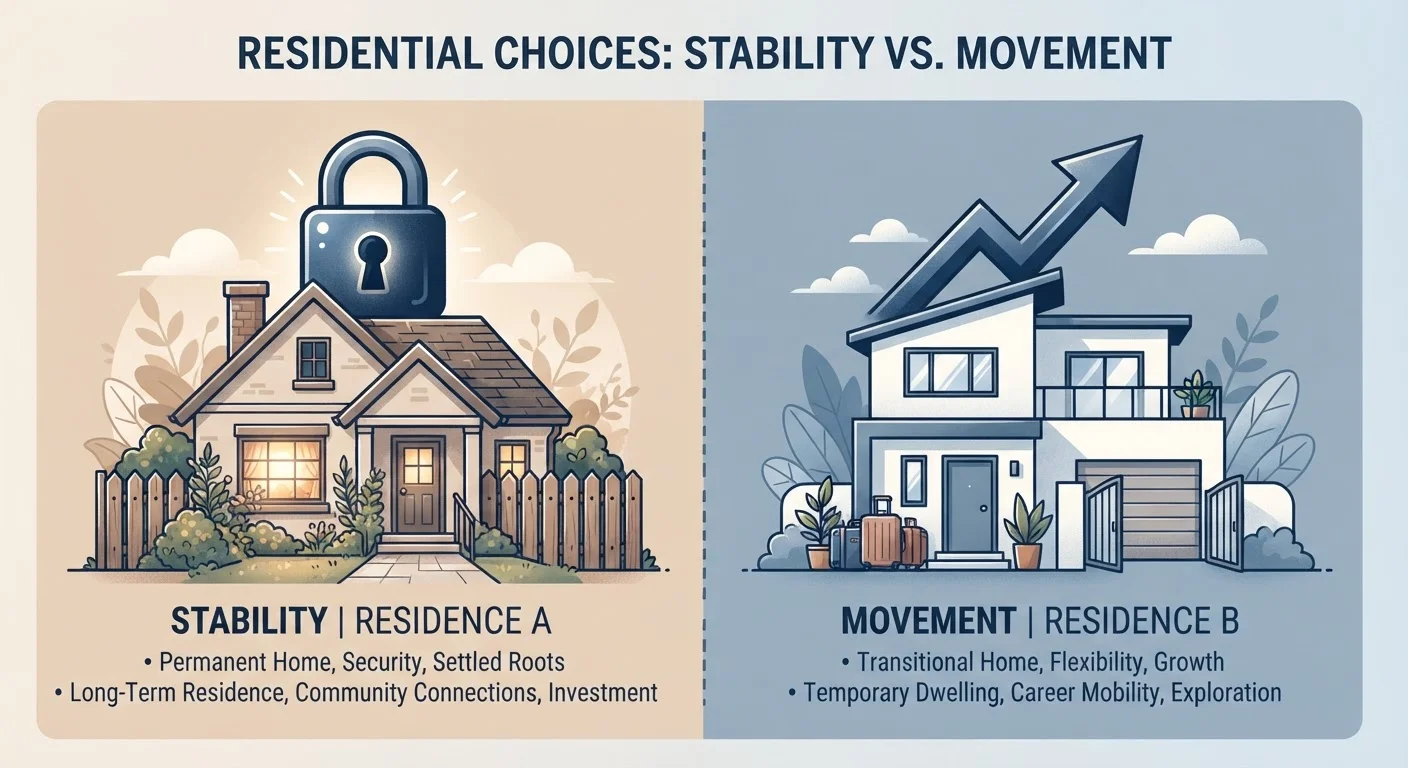
The right framing is this: a fixed-rate mortgage is a hedge against rising rates; an ARM is a bet that you'll be out of the loan before major adjustments hit, or that rates won't move against you. Neither is inherently superior — the better choice depends on your time horizon, risk tolerance, and broader financial picture. See also how fixed versus variable expenses affect your budget for a related framework.
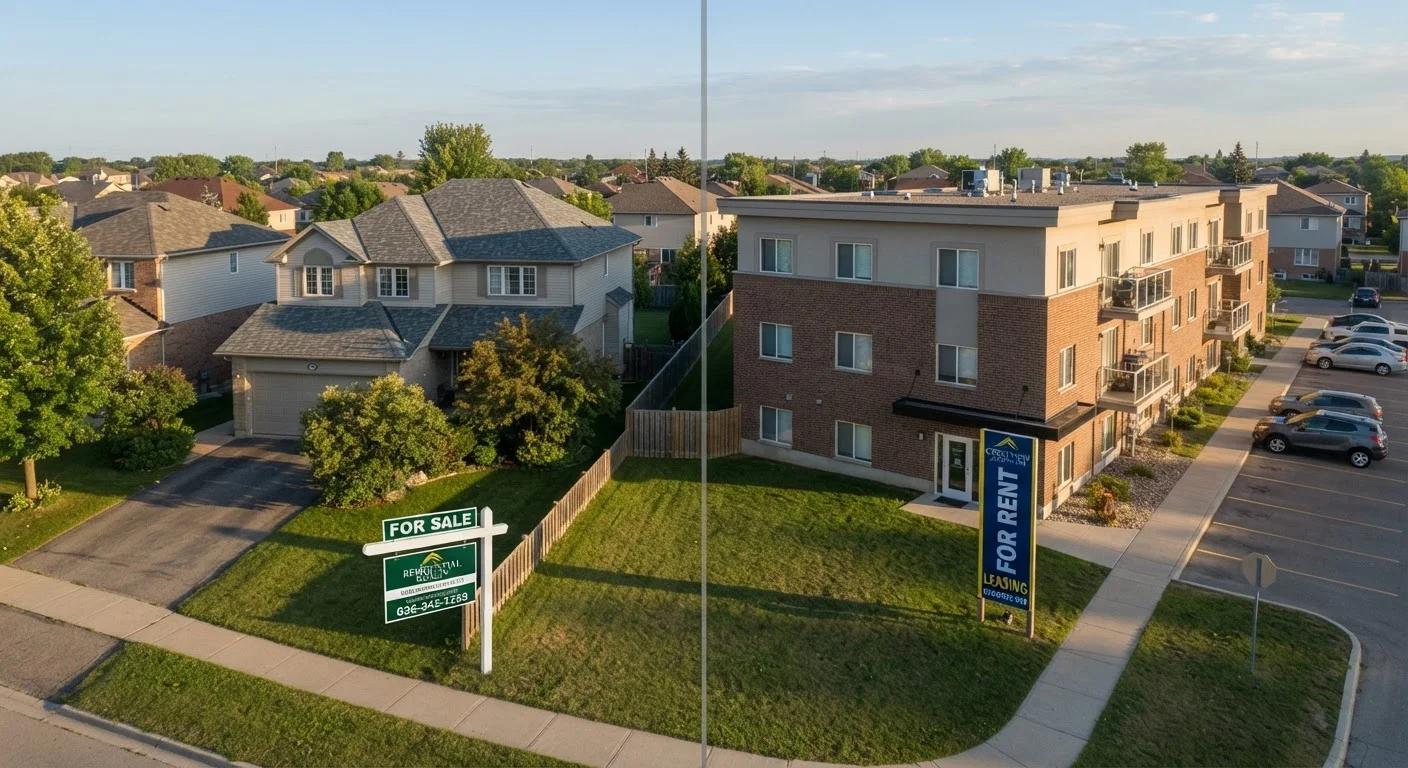
If you're still weighing whether homeownership is the right move at all, a thorough look at renting versus buying can help you step back before diving into mortgage selection. And if your credit profile or down payment situation is a concern, it's also worth reviewing the trade-offs of FHA loans, which are available in both fixed and adjustable versions.
This article is for general informational purposes only and does not constitute personalized financial, mortgage, or legal advice. Consult a licensed mortgage professional or financial adviser for guidance specific to your circumstances.