The Core Difference: Predictability
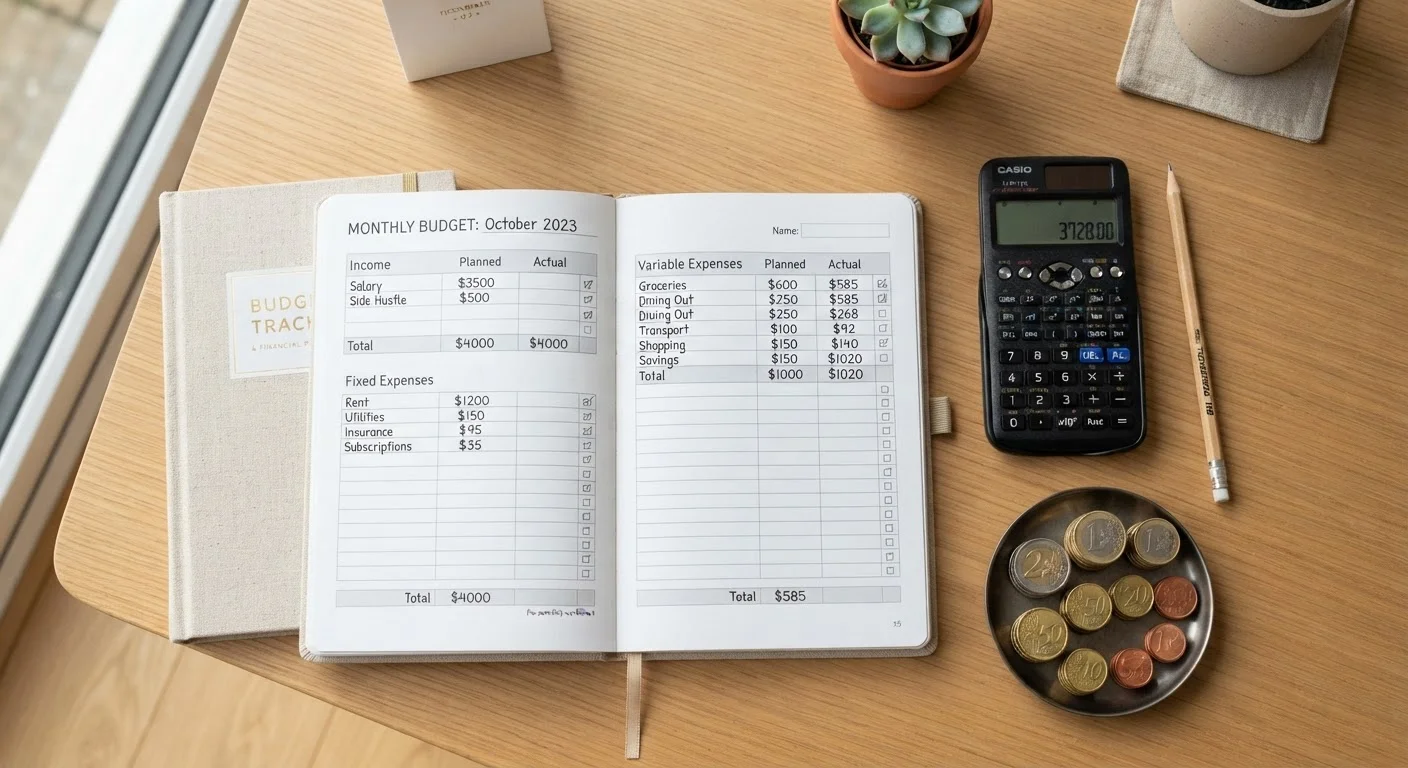
At the heart of every working budget is a simple sorting exercise: dividing your spending into what stays the same and what changes. Fixed expenses are costs you pay in the same amount on a regular schedule — think rent or mortgage, car payments, insurance premiums, and loan repayments. Variable expenses, by contrast, shift from month to month based on your choices and circumstances — groceries, gas, dining out, clothing, and entertainment all fall here.
This distinction matters because the two categories require fundamentally different budget strategies. Fixed expenses are largely non-negotiable in the short term; once you've signed a lease or taken out a loan, that number is set until the contract ends. Variable expenses, however, respond directly to your behavior, which means they're where most people find real control over their finances.
For a full glossary of budgeting terms like these, see Budgeting Terms Every American Should Know.
Fixed vs. Variable: A Side-by-Side Look
The table below shows how these two expense types compare across the dimensions that matter most when you're building or refining a budget.
| Criterion | Fixed Expenses | Variable Expenses |
|---|---|---|
| Amount each month | Stays the same | Changes month to month |
| Examples | Rent, car payment, insurance | Groceries, gas, dining, entertainment |
| Short-term flexibility | Very limited | High — adjustable by behavior |
| Ease of budgeting | Simple — one number per item | Requires tracking and estimates |
| Best budget strategy | List and protect first | Set spending targets and monitor |
| Impact on savings potential | Reduces room to save if too high | Primary lever for increasing savings |
One nuance worth noting: some expenses are periodic fixed — costs that are consistent in amount but don't occur monthly, such as annual insurance premiums or quarterly tax payments. Budgeting for these means dividing the annual total by 12 and setting that amount aside each month so the lump sum doesn't catch you off guard.
Why the Distinction Is the Backbone of Budgeting
Popular frameworks like the 50/30/20 rule — which allocates 50% of after-tax income to needs, 30% to wants, and 20% to savings — depend on your ability to correctly classify spending. Most fixed expenses fall into the "needs" bucket, while variable expenses are split between needs (groceries, utilities) and wants (restaurants, streaming services). Misclassifying costs leads to a budget that looks balanced on paper but breaks down in practice.
Understanding your fixed expense total also sets your minimum income floor — the amount you absolutely must bring in each month to cover non-negotiable obligations. This is especially valuable for anyone budgeting on an irregular income, such as freelancers, contractors, or seasonal workers.
For a deeper comparison of how different budget frameworks use these categories, see Zero-Based Budgeting vs. the 50/30/20 Rule.
How to Use This Framework in Practice
Start by listing every expense from your last two to three bank and credit card statements. Label each as fixed or variable. Add up your fixed expenses first — that sum is the non-negotiable baseline your income must cover before anything else. Then total your variable expenses and look for patterns: Which categories consistently run high? Where do small daily purchases accumulate into significant monthly totals?
From there, you can set spending targets for each variable category rather than leaving them open-ended. Think of these as soft caps — useful guides rather than rigid rules — that help you make deliberate choices rather than reactive ones. When your income or circumstances change, variable expenses are also the first place to look for short-term flexibility, since fixed costs can't be quickly adjusted without breaking a contract or refinancing a loan.
For tracking strategies that make this ongoing categorization easier, Manual vs. Automated Budget Tracking walks through the tradeoffs of spreadsheets versus digital tools. And if you want to build a budget flexible enough to handle real-life curveballs, Building a Budget That Survives Real Life covers how to make your plan durable over time.
This article is for general informational and educational purposes only and does not constitute personalized financial advice. Consult a qualified financial professional for guidance tailored to your individual situation.