How Each Method Works
Understanding the mechanics of each approach is essential before choosing one. While both aim to give you command of your finances, they operate on fundamentally different logic.
Zero-Based Budgeting
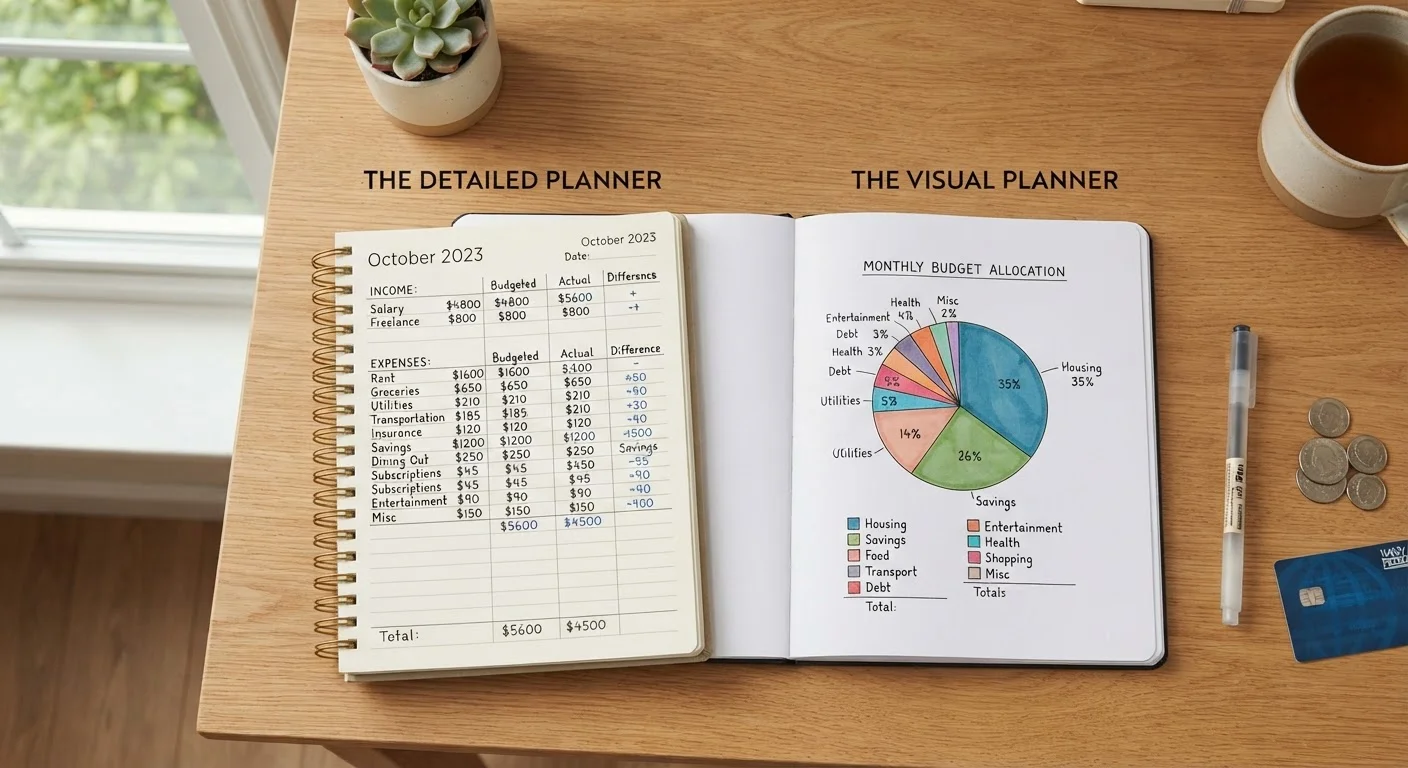
Zero-based budgeting (ZBB) starts from zero every month. You take your total expected income and allocate every single dollar to a specific category — rent, groceries, utilities, savings, entertainment — until the math reaches zero. That doesn't mean you spend everything; it means every dollar is assigned, whether to spending, saving, or investing. Any unassigned dollar is a gap in your plan.
The process repeats monthly, meaning the budget is built fresh rather than carried over, which makes it especially useful when income or expenses shift. It originated in corporate finance in the 1970s and has since been widely adopted in personal finance circles.
The 50/30/20 Rule
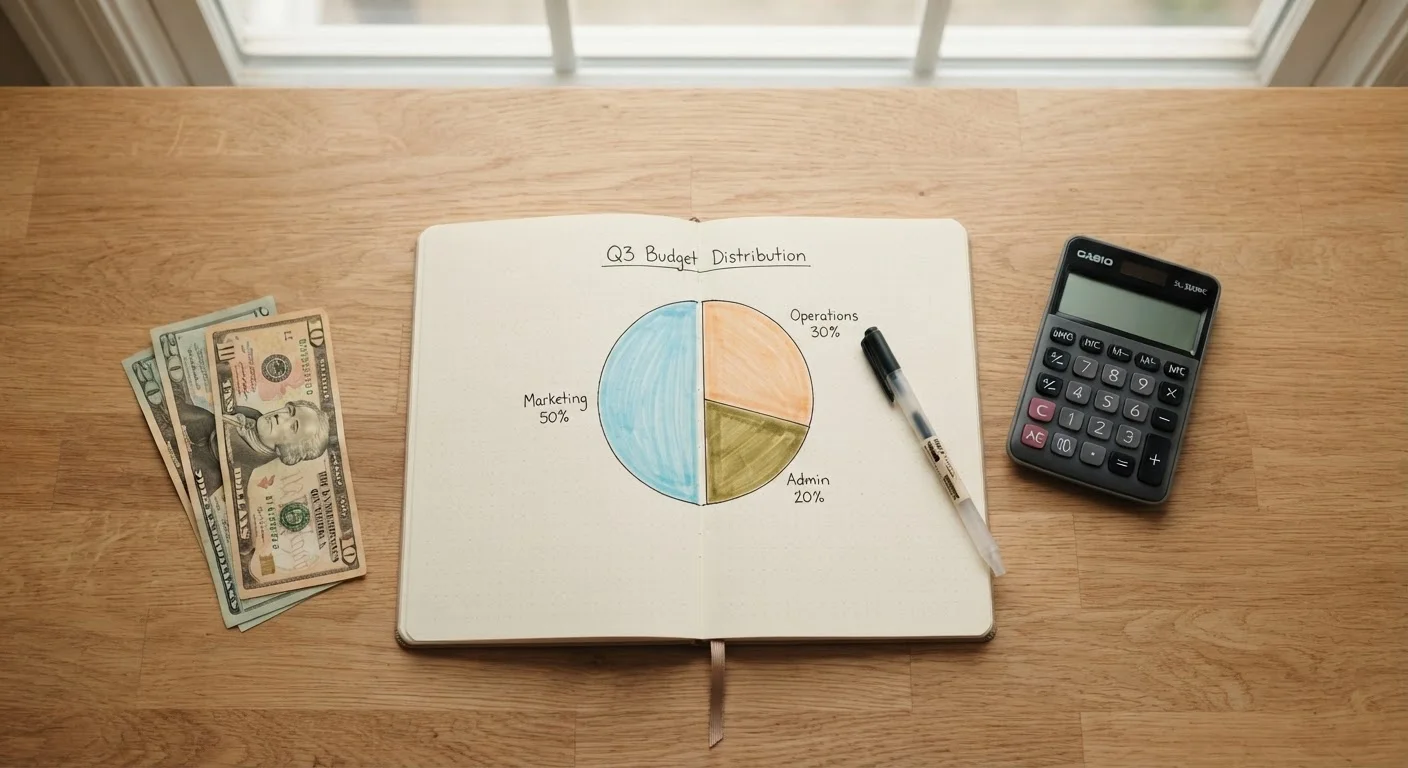
Popularized in the book All Your Worth by Elizabeth Warren and Amelia Warren Tyagi, the 50/30/20 rule divides your after-tax income into three buckets: 50% for needs (housing, food, utilities, minimum debt payments), 30% for wants (dining out, subscriptions, entertainment), and 20% for savings and additional debt repayment. There's no itemized category list — just three broad guardrails. See our full 50/30/20 breakdown for a deeper look at how to apply each category correctly.
| Criterion | Zero-Based Budgeting | 50/30/20 Rule |
|---|---|---|
| Setup complexity | High — requires detailed category planning | Low — three broad buckets |
| Monthly time commitment | High — rebuilt from scratch monthly | Low — percentages stay largely fixed |
| Best income type | Variable or irregular income | Stable, predictable salary |
| Spending visibility | Very high — every dollar named | Moderate — broad category groupings |
| Flexibility | Adaptable monthly, but rigid within month | Naturally adjusts as income changes |
| Ideal for debt payoff | Yes — precise reallocation possible | Partially — limited by fixed 20% target |
| Beginner-friendliness | Lower — steeper learning curve | Higher — easy to start immediately |
Where Each Method Falls Short
No budgeting framework is flawless. Knowing where each tends to break down can help you prepare — or decide that one approach's weaknesses are dealbreakers for your situation.
Zero-Based Budgeting: Time-Intensive by Design
ZBB requires a meaningful time investment upfront and on an ongoing basis. Rebuilding a detailed budget each month — and then tracking actual spending against it — takes consistent effort. For people with busy schedules or fluctuating motivation, that friction is a real obstacle. There's also a risk of becoming overly rigid: if an unexpected expense arises, a ZBB plan can feel like it's unraveling, when in reality some flexibility is simply needed.
The 50/30/20 Rule: Broad Buckets Can Hide Problems
The rule's simplicity is also its limitation. Lumping all "wants" into a single 30% bucket makes it easy to overspend in one area (say, dining out) while technically staying within the overall category. It also assumes the 50/20/30 split is appropriate for your situation — but for someone living in a high cost-of-living city, needs alone can consume 65–70% of income, making the framework structurally difficult to follow without adjustment.
Both methods can struggle without honest tracking. Our article on why budgets break down outlines the most common failure patterns and how to avoid them before they start.
Choosing the Right Framework for You
The most effective budget is the one you'll actually maintain. Both ZBB and the 50/30/20 rule have strong track records — but they suit different circumstances and temperaments.
74%
Americans living paycheck to paycheck
A 2023 LendingClub report found approximately 74% of U.S. consumers reported living paycheck to paycheck, highlighting the need for accessible budgeting frameworks.
1 in 3
Adults with no formal budget
Surveys by the National Foundation for Credit Counseling have consistently found that roughly one-third of American adults do not track their spending with any structured method.
If you have variable income — freelancers, gig workers, commission-based earners — zero-based budgeting offers the monthly flexibility to respond to what you actually earned rather than what you estimated. If your income is stable and predictable, the 50/30/20 rule can be set up once and reviewed periodically rather than rebuilt constantly.
If you're new to budgeting and worried about common misconceptions that stop people before they begin, the 50/30/20 rule's low complexity is a genuine advantage — a simple structure is easier to sustain than a perfect one you abandon. For those determined to tackle debt aggressively, pairing zero-based budgeting with a structured payoff strategy (see our guide on debt avalanche vs. debt snowball) can accelerate progress meaningfully.
You can also combine elements of both: use the 50/30/20 percentages as macro-level targets and zero-based logic to itemize within each bucket. Some people also find value in comparing manual vs. automated budget tracking to decide how much hands-on involvement they want in maintaining either system. Once you've chosen a framework, a structured budget overhaul checklist can help you put it into action systematically.
This article is for general informational purposes only and does not constitute personalized financial advice. For guidance specific to your situation, consult a qualified financial professional.