
What Makes a Layover 'Long' — and Why That Matters
There's no universal rule that makes a layover long or short, but most experienced travelers draw the line around 3 hours for domestic and 4–5 hours for international connections. Below those thresholds, you're focused entirely on getting to your gate. Above them, you have breathing room — and that changes what's possible.
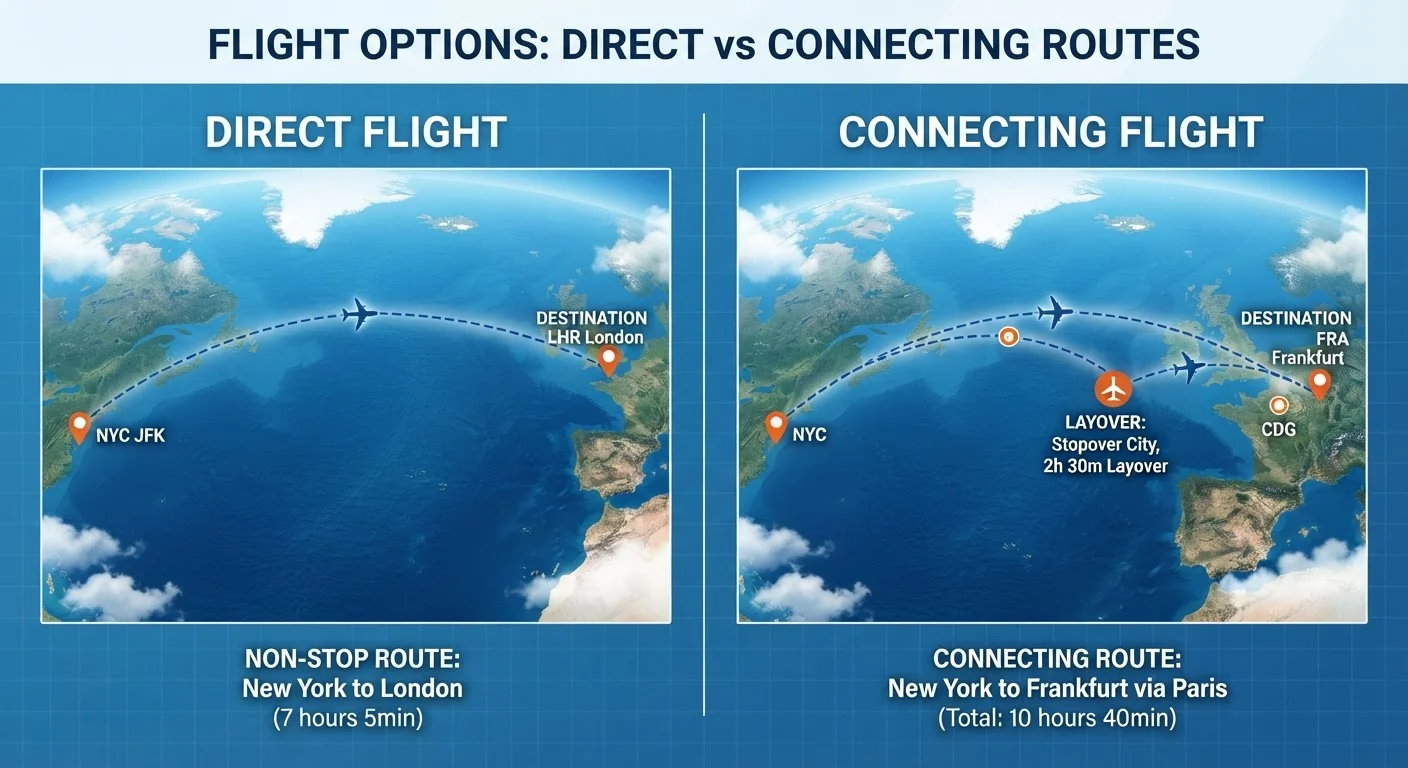
A long layover strips away the anxiety of a tight connection. Flights run late, terminals are farther apart than maps suggest, and customs lines are unpredictable. Giving yourself a cushion isn't wasted time; it's risk management. For a deeper comparison of connection trade-offs, see our traveler's guide to direct vs. connecting flights.
Long layovers also turn an airport from a waiting room into a usable space. Terminal food halls, lounges, yoga rooms, art installations, and even rooftop gardens exist at major hubs. If you know what's available, you can plan around it rather than just endure it.
Turning the Terminal Into an Asset
Modern hub airports — particularly internationally — have invested heavily in amenities specifically to capture transit passengers. Some offer spa services, fitness centers, and seated restaurants that rival city dining. Others have transit hotels landside or airside, letting you sleep properly without leaving the secure zone.
Book a Transit Hotel Airside When Possible
If your layover extends overnight, a transit hotel inside the secure zone means you avoid re-clearing security — saving time and stress. Many can be booked same-day, though advance reservations are safer at busy hubs.
If your layover extends overnight, a transit hotel inside the secure zone means you avoid re-clearing security — saving time and stress. Many can be booked same-day, though advance reservations are safer at busy hubs.
Airline lounges are another overlooked resource. Access policies vary — some are open to premium-cabin ticket holders, others to credit card members or day-pass purchasers. Even without lounge access, most large airports have free Wi-Fi, charging stations, and quiet zones that make a 5-hour wait genuinely productive. Navigate your surroundings more confidently with our guide on reading airport maps and signs.
Leaving the Terminal: The City Layover Option
For layovers of 6 hours or more, leaving the airport to explore the connecting city is a realistic option — if the logistics align. Passport nationality, visa status, and the country's transit rules all determine whether you can do this legally without obtaining a visa in advance.
Many countries offer visa-free airside or landside transit for specific passport holders, but these policies change and vary significantly. Checking with the official embassy or consulate of the transit country — and your government's foreign travel advisory — is essential before making plans. Do not rely on secondhand summaries for entry requirements.
If you do leave the airport, build in a generous return buffer: at least 2–3 hours before departure, accounting for transit time back, re-checking in, security, and possible queues. Missing a flight because you misjudged city travel time is a costly and stressful scenario. Unexpected costs like city transport and meal expenses can add up quickly — our article on overlooked costs that derail a travel budget covers how to plan for these surprises.
Packing and Planning Choices That Make Layovers Easier
How you pack directly affects your layover experience. Checked luggage stays in the hold during a connection on a single itinerary, but if you're picking up bags mid-journey — for customs clearance, for example — a heavy bag becomes a significant logistical burden during limited time.
Traveling carry-on only keeps everything with you, eliminates baggage claim waits, and gives you flexibility if plans change. It's not the right choice for every trip, but for itineraries with meaningful layovers, it's worth weighing seriously.
Long-haul connections also create a natural opportunity to manage jet lag more intentionally. Strategic rest, light exposure, and meal timing during a layover can help your body begin adjusting before you even land. Our explainer on what jet lag actually does to your body offers evidence-based strategies for this.
This article provides general travel information only. Entry requirements, visa rules, and airline policies change frequently. Always verify current requirements through official government and airline sources before traveling.