Why Travel Budgets Keep Coming Up Short
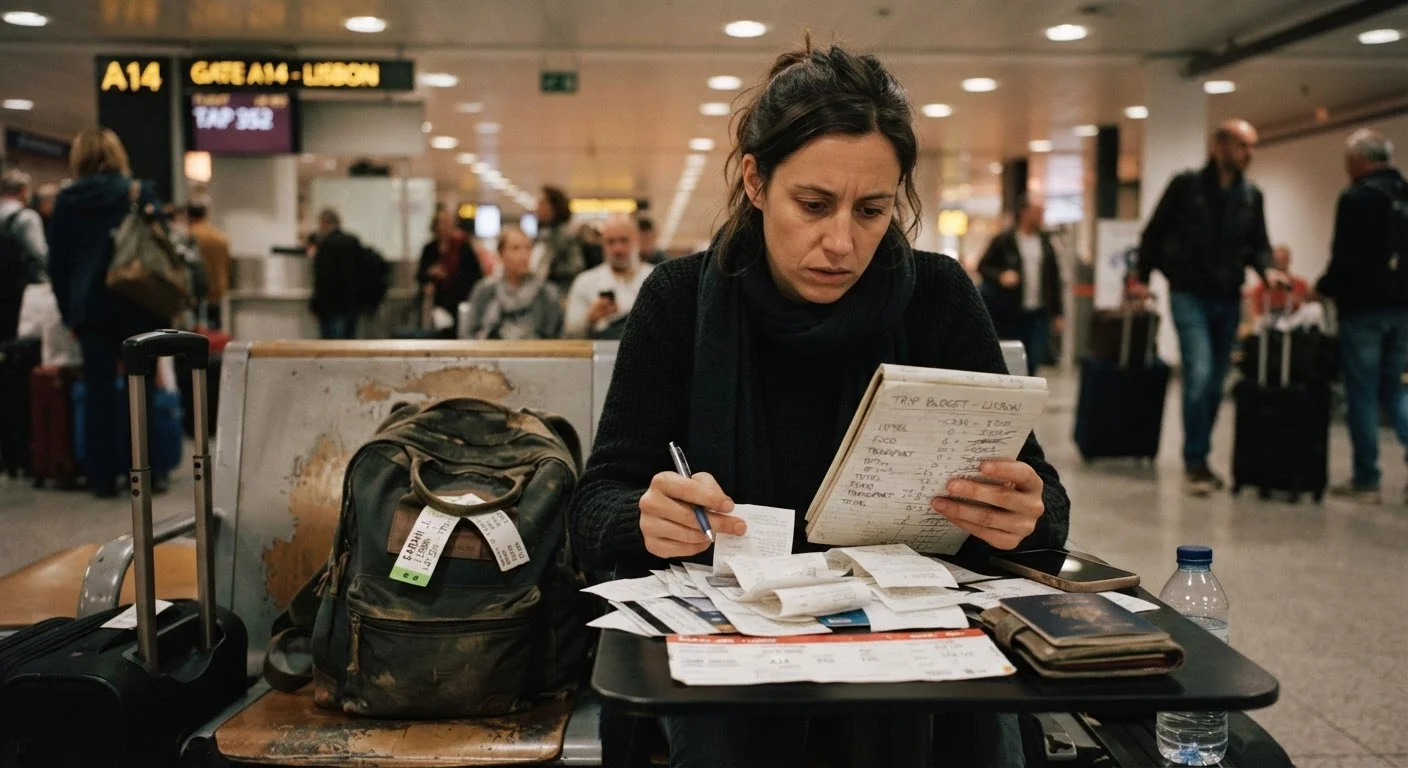
Most travelers plan for flights, hotels, and a rough estimate of meals — then find themselves short on funds by day three. The gap rarely comes from one large surprise. It comes from a string of smaller charges that individually seem trivial but collectively reshape the trip's financial picture.
Understanding which costs travelers most consistently underestimate is the first step to actually staying on budget. For a deeper dive into the charges buried in advertised prices, see The Hidden Costs That Inflate Your Travel Budget. The mistakes below are the ones that catch even experienced travelers off guard.
Ignoring airline baggage fees when comparing ticket prices.
Why it happens: Flight search engines typically display the base fare, which often excludes checked bag or even carry-on fees on certain fare classes. Travelers compare prices at face value without adding these costs back in.
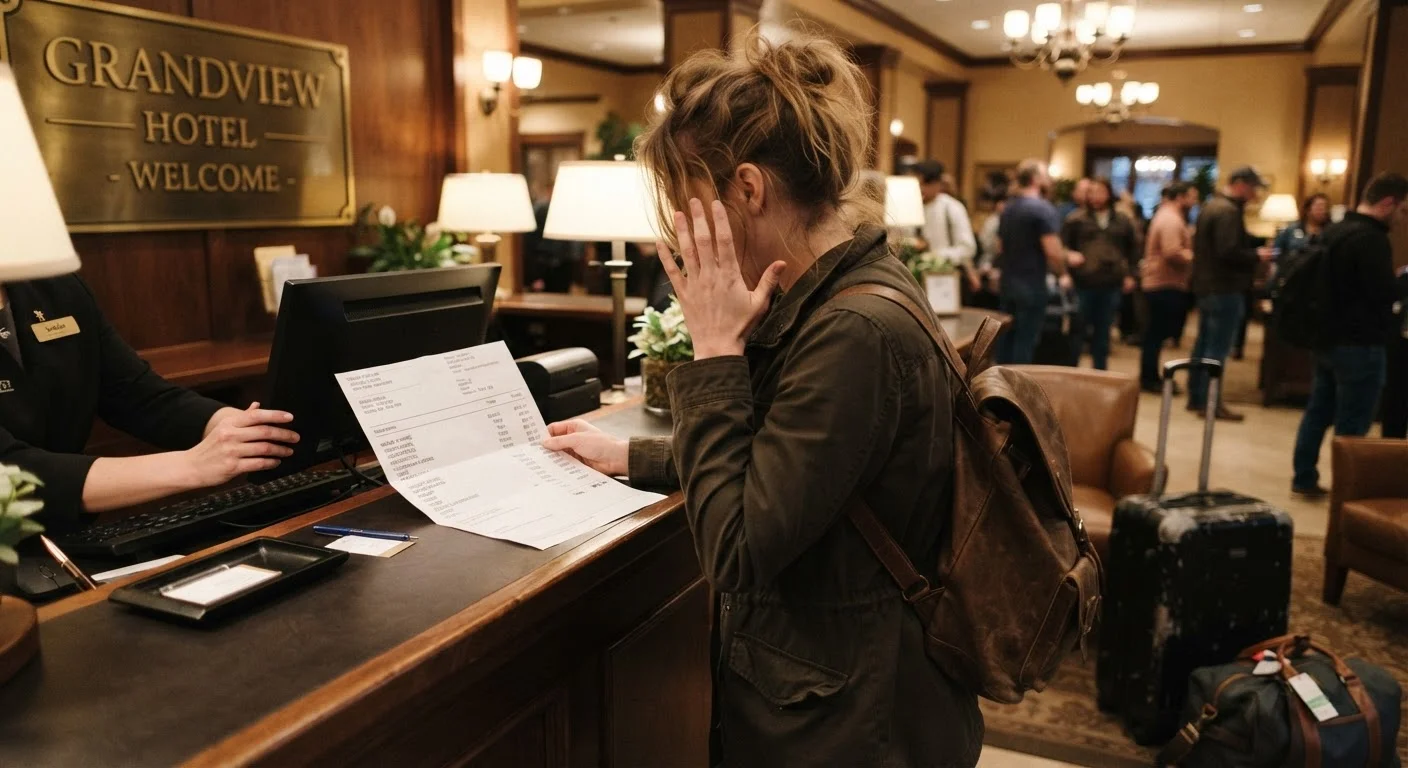
Booking hotels based on the nightly rate without checking for resort or destination fees.
Why it happens: Resort fees — mandatory daily charges for amenities you may never use — are frequently excluded from the advertised rate and only appear at checkout or on the final hotel bill.
Using ATMs or credit cards abroad without checking foreign transaction and withdrawal fees.
Why it happens: Many travelers assume their regular bank card works like it does at home. International ATM withdrawals can carry both a per-transaction fee from the home bank and a currency conversion markup, stacking costs on every withdrawal.
Underestimating local transportation costs at the destination.
Why it happens: Travelers budget for flights and accommodation but treat on-the-ground transport as an afterthought. Airport taxis, ride-shares, and tourist-zone transit can be significantly more expensive than transit options used by locals.
Skipping or undervaluing travel insurance, then facing major out-of-pocket costs.
Why it happens: Travel insurance feels like an optional add-on when everything is going smoothly during planning. Travelers often skip it to reduce upfront costs, not accounting for the potential expenses of a missed connection, medical issue, or trip cancellation.
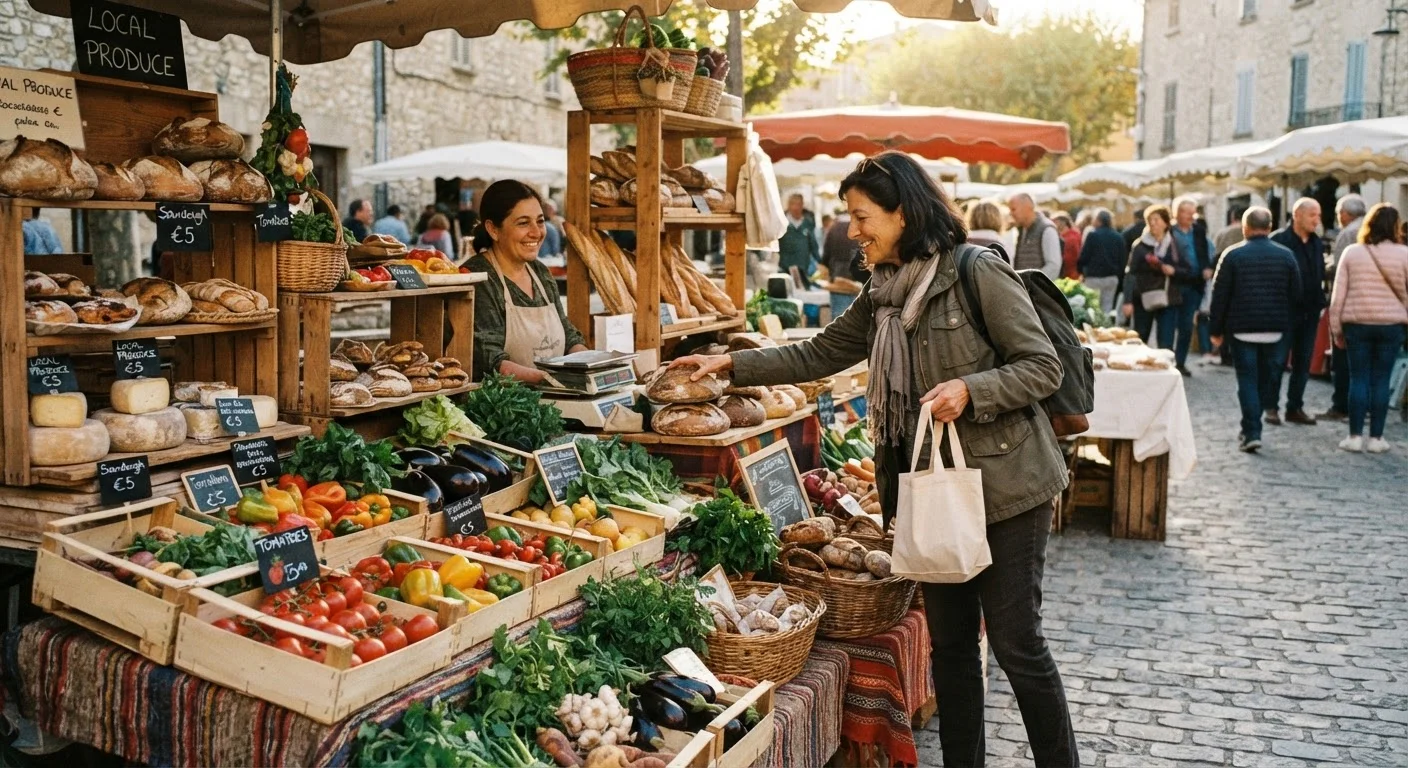
Eating every meal in tourist-heavy areas without exploring local alternatives.
Why it happens: Convenience and unfamiliarity with local neighborhoods lead travelers to default to restaurants closest to their hotel or main attractions, which are typically priced for tourist spending habits.
How to Build a Budget That Actually Holds
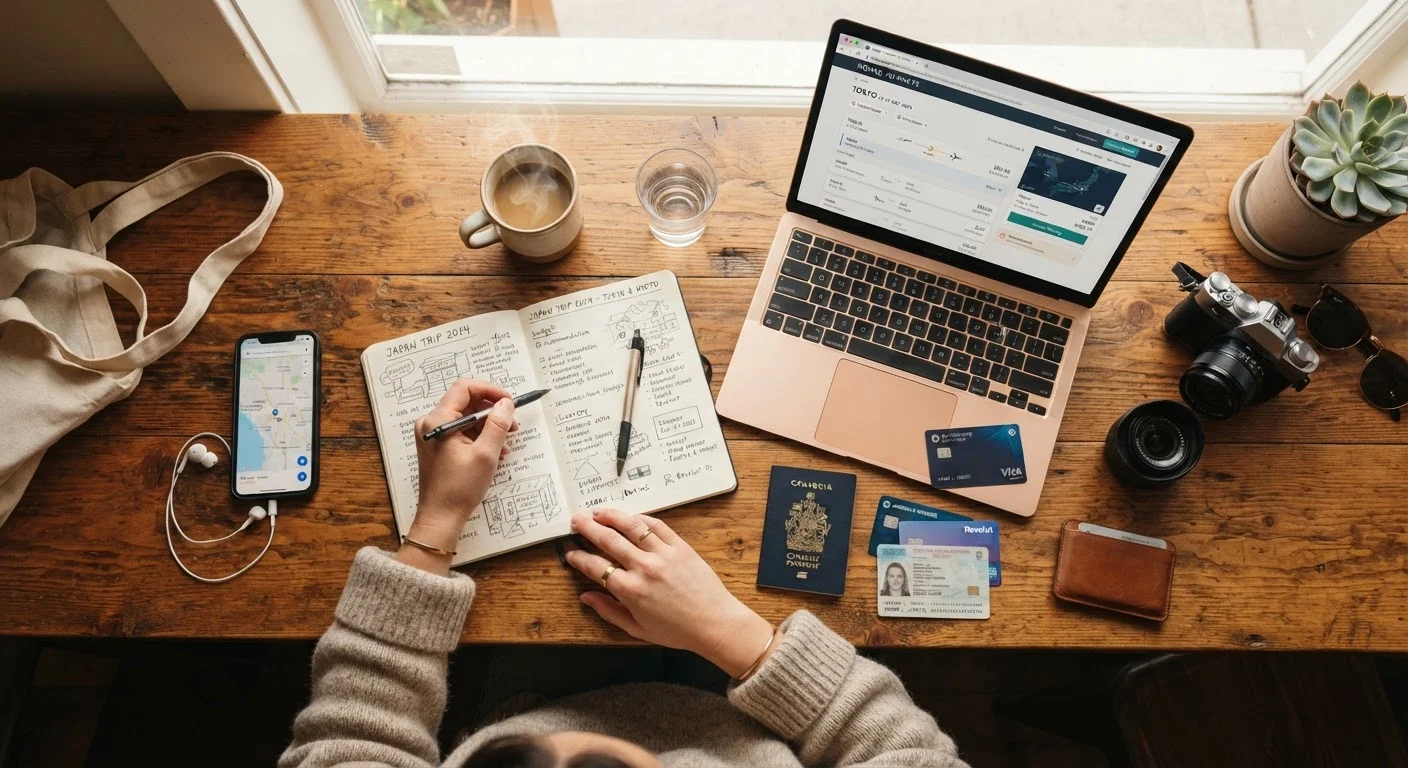
Avoiding these mistakes requires a planning mindset, not just awareness. Before booking anything, map out every cost category — including the ones that feel too small to bother with. ATM fees, checked bag charges, and daily resort fees often won't appear in a booking summary until you're already committed.
A practical rule: add a 10–15% buffer to your total projected spend. That buffer isn't an emergency fund — it's a realistic acknowledgment that travel costs more than the advertised price. Use it as a target ceiling, not a safety net.
For food costs specifically, eating one meal per day at a local market or non-tourist restaurant can cut daily food spend substantially. Eating Well Abroad Without Draining Your Daily Budget outlines practical strategies for this.
Travelers who also struggle with managing expenses back home may find the foundational concepts in Budgeting Basics useful as a starting framework before building a trip budget. Before your next trip, run through the Budget Traveler's Pre-Trip Checklist to catch overlooked costs before departure.
Dynamic Currency Conversion Can Cost You More
When paying by card abroad, merchants or ATMs may offer to charge you in U.S. dollars instead of the local currency — a practice called dynamic currency conversion. This almost always applies a worse exchange rate than your card's standard conversion. Always choose to be charged in the local currency when given the option.