Why Food Is the Budget Line Most Travelers Get Wrong
Accommodation and flights tend to get the most pre-trip attention, but food is often where daily budgets quietly unravel. A couple of restaurant meals in a tourist district, a hotel breakfast that could have been skipped, and a few convenience-store snacks can easily consume $60–$100 per person per day — even in countries where locals eat well for a fraction of that.
The good news: eating affordably abroad doesn't require sacrifice. In many destinations, the most interesting, freshest, and most culturally authentic food is also the least expensive. The key is knowing where to look and building a few deliberate habits before you arrive. For a broader framework on estimating daily costs, see Building a Realistic Daily Travel Budget.
Proven Practices for Eating Well on Less
These strategies are drawn from the consistent patterns of experienced budget travelers and apply across a wide range of destinations.
Eat where locals eat, not where tourists are directed
Restaurants near major attractions and hotels typically charge a premium for the same or lower quality food. Locals eating nearby pay considerably less for meals that reflect actual regional cooking. Following foot traffic from residential neighborhoods rather than tourist maps is a reliable guide.
Make lunch your main meal and keep dinner light
Many restaurants abroad — particularly in Europe and Latin America — offer a fixed-price lunch menu (sometimes called a 'menu del día' or 'plat du jour') that includes multiple courses at a fraction of the à la carte dinner price. Taking advantage of this pattern inverts the typical tourist eating schedule in a financially rewarding way.
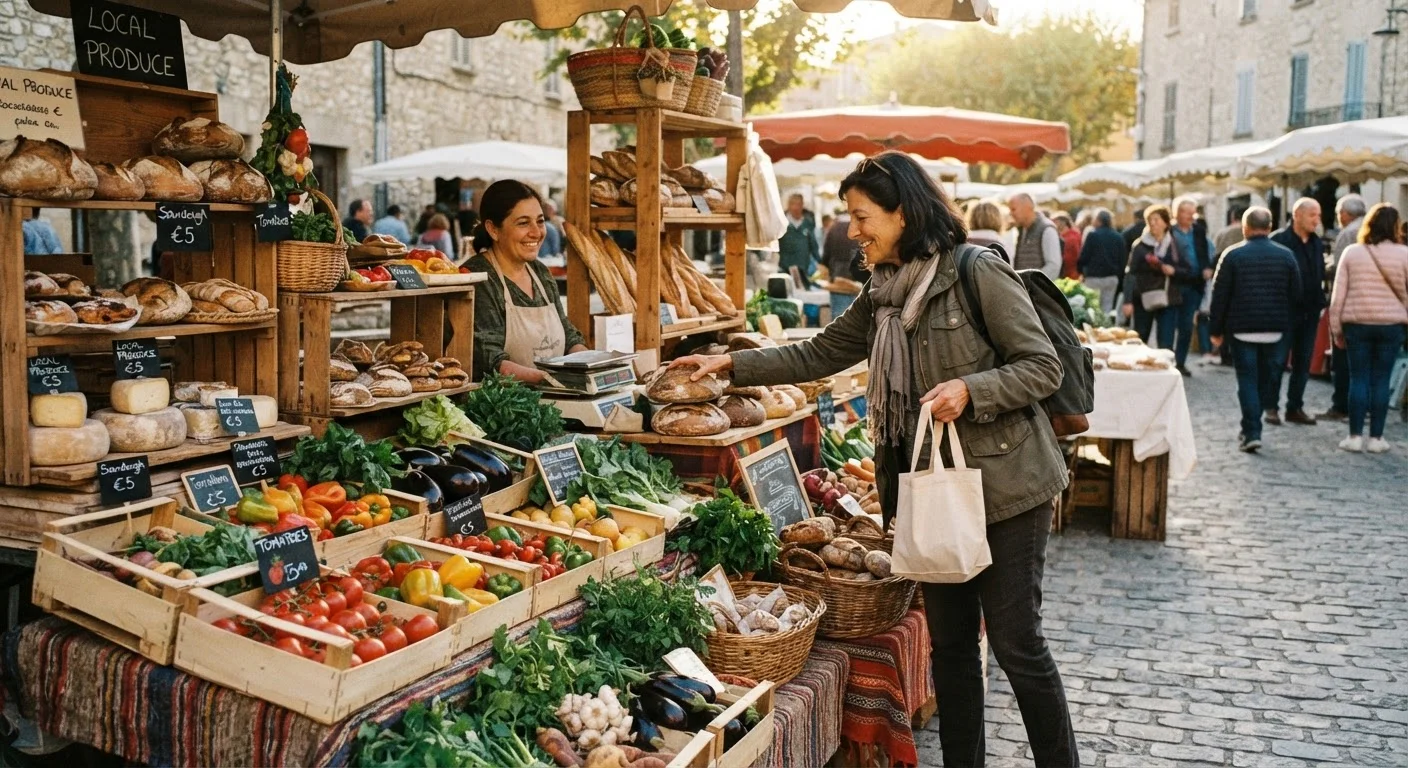
Shop at local markets and grocery stores for breakfasts and snacks
Hotel and café breakfasts are among the highest-markup food purchases travelers make. Buying fruit, bread, cheese, yogurt, and other staples from a nearby market or supermarket costs a small fraction of a sit-down breakfast and is often more satisfying and varied.
Treat street food and market stalls as legitimate meal options
Street food is the primary way millions of people eat every day in much of Asia, Latin America, the Middle East, and Africa. It's typically fresh, made to order, and priced for everyday budgets. Dismissing it out of habit or unfamiliarity means missing both great food and genuine savings.
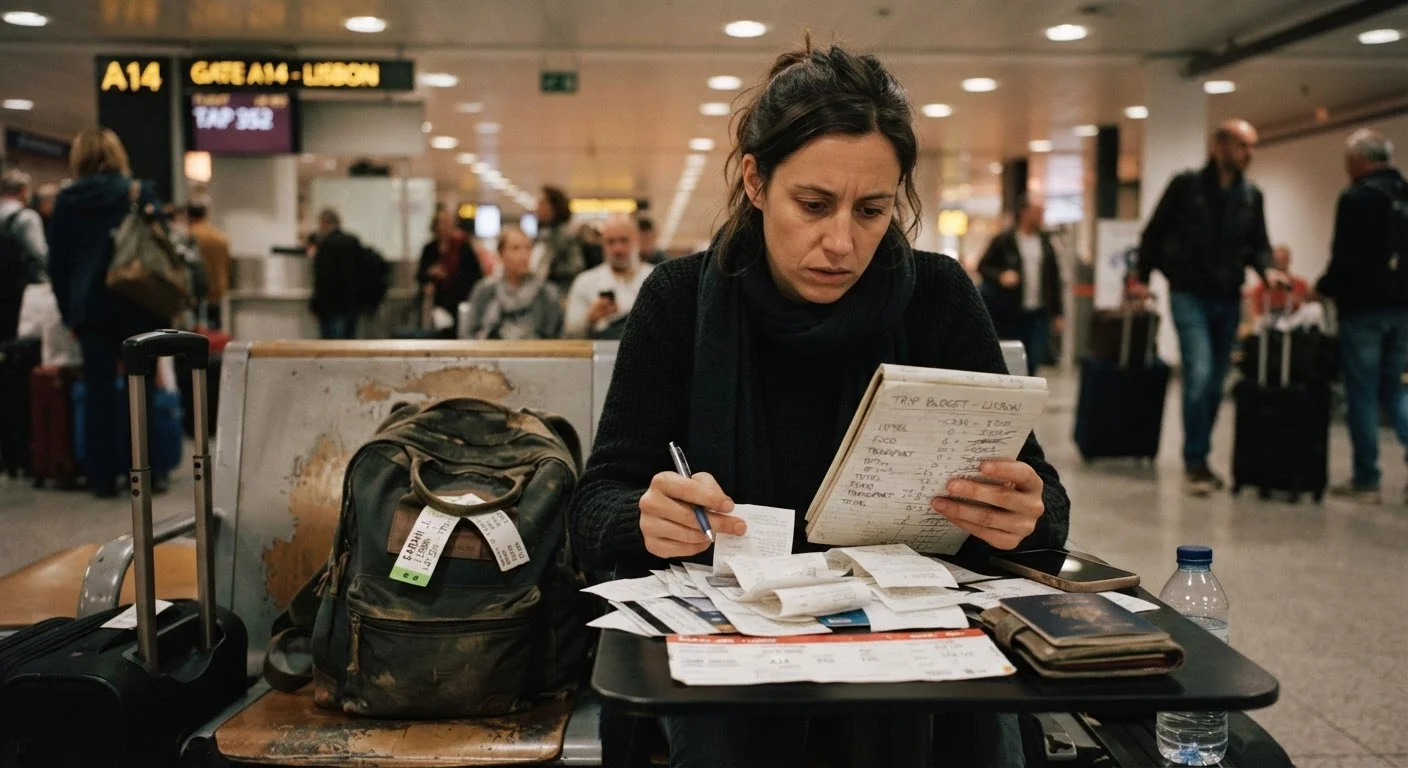
Set a daily food budget and track it in real time
Without a concrete target, food spending expands to fill available funds. Travelers who set a per-day food number — and check it after each meal — consistently report better budget adherence than those who estimate at the end of the day. Apps or a simple notes file work equally well.
Quick Actions You Can Take Before and During Your Trip
Some of the most impactful food-budget moves happen before you ever sit down at a table. A little advance research and a few habits adopted early in your trip compound into real savings.
For a complete picture of where food fits into the broader budget picture, Stretching a Travel Budget from Start to Finish covers every stage of travel spending in one place. And if you want to understand the full range of costs that catch travelers off guard, Overlooked Costs That Quietly Derail a Travel Budget is worth a read before you depart.
Eating Well and Eating Cheap Are Not Opposites
One of the most persistent myths about budget travel is that spending less means experiencing less. In practice, the opposite is often true at the table. Stepping away from restaurant rows designed for tourists and into a neighborhood market, a family-run lunch counter, or a roadside grill frequently delivers food that's fresher, more local, and more memorable — at a fraction of the price.
Why Traveling Cheap Doesn't Have to Mean Traveling Badly makes this case across many dimensions of travel, but food is where the argument is arguably strongest. The travelers who eat best abroad are rarely the ones spending the most — they're the ones who've learned to eat the way locals do.
Prices, menus, and food safety conditions vary by destination and can change. Always verify local food safety practices, and consult official government sources for any health or entry-related guidance before you travel.