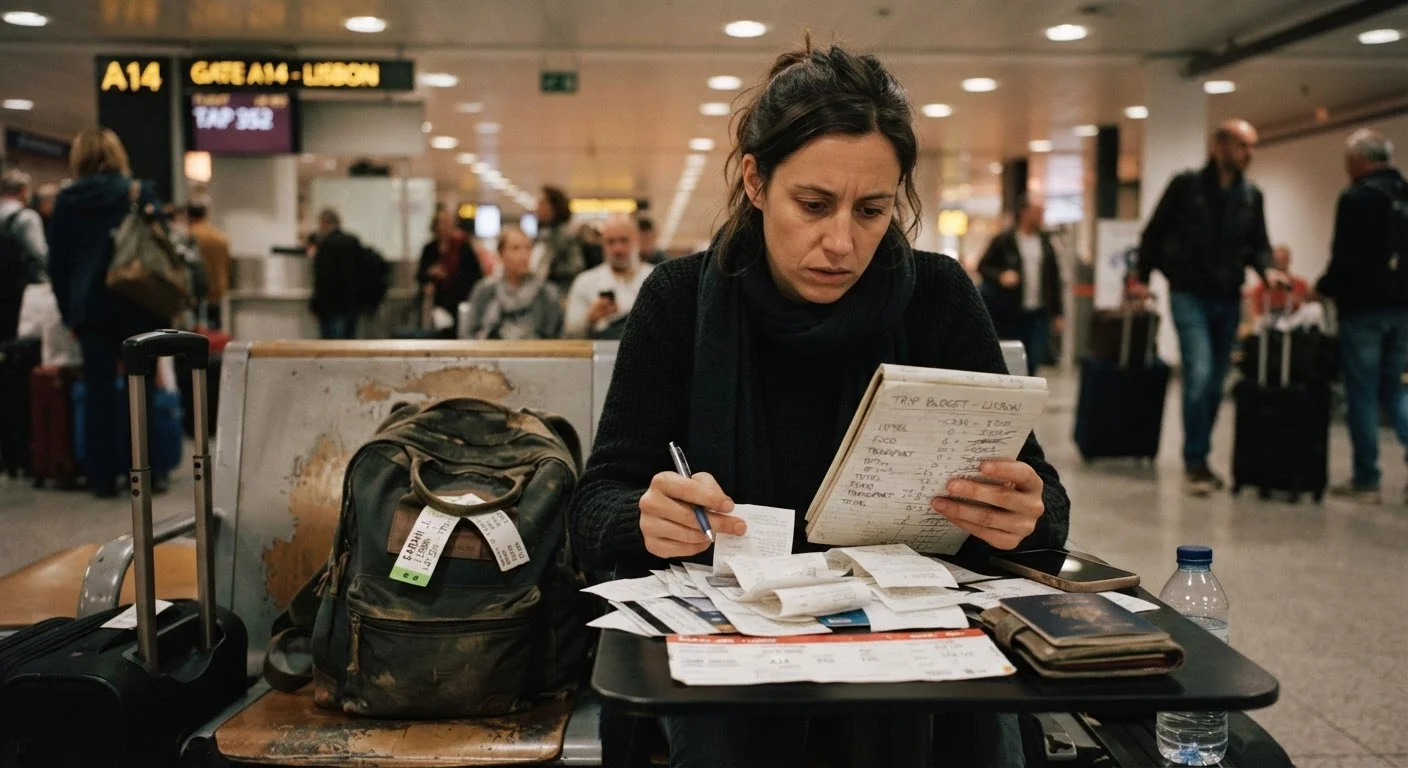

Why Most Travel Budgets Fall Apart
Most travelers underestimate daily costs not because they spend recklessly, but because they budget in generalities. Thinking "I'll spend about $100 a day" without breaking that figure down is a recipe for running short by day five. A realistic daily travel budget is built from the ground up — category by category — using destination-specific data rather than hopeful guesses.
The good news: this process doesn't require a finance degree. It requires about an hour of honest research before you book anything. The steps below walk you through exactly how to build that estimate, so your money lasts the full length of your trip. If you want to understand how the same principles apply to everyday spending, building a budget that survives real life covers the broader framework well.
What you will need
How to Build Your Daily Travel Budget Step by Step
Follow these steps in order. Each one builds on the last, and skipping ahead typically leads to the gaps that cause overspending in the field.
Research actual costs for your destination
Start with accommodation. Search for properties that match your comfort level on a booking platform and note the nightly rate. Do the same for meals: look up menu prices at restaurants typical for the area — not tourist-trap venues near major landmarks, but neighborhood spots. Check local transit fares on the city or regional transport authority's website. These real figures become your baseline.
Break spending into four core categories
Assign a per-day estimate to each of the following:
- Accommodation: Nightly rate divided by the number of people sharing the room.
- Food: Budget separately for breakfast, lunch, dinner, and incidentals like coffee or snacks. A common finding is that lunch from a local market costs a fraction of a sit-down dinner.
- Transport: Daily transit costs, plus any day-trip or intercity travel divided across the trip.
- Activities: Entrance fees, tours, experiences — averaged across all planned days.
Add these four figures together to get your core daily estimate.
Add a daily buffer of 15–20%
Multiply your core daily estimate by 1.15 to 1.20. This buffer absorbs the costs that are hard to predict: a taxi when it rains, an entrance fee you didn't plan for, a round of drinks with fellow travelers, or a mediocre meal that still needed to be paid for. A buffer is not a license to overspend — it's a structural acknowledgment that travel rarely goes exactly to plan.
Multiply by trip length and reconcile with your total budget
Take your buffered daily figure and multiply it by the number of days. Add that to your fixed costs — flights, travel insurance, pre-booked tours — to get your total projected trip cost. Compare this to your available budget. If the number is too high, adjust individual categories (accommodation tier, dining frequency, activity spend) rather than simply hoping costs will be lower than estimated.
Track actual spending daily during the trip
A budget is only useful if you monitor it in real time. Use a notes app, a simple spreadsheet, or a dedicated travel expense tracker to log every purchase at the end of each day. Compare your actual spend to your projected daily figure. If you're consistently over in one category, you can rebalance — spend less on a planned activity, cook one meal instead of eating out — before a small gap becomes an unmanageable shortfall.
Once you've run through these steps, you'll have a grounded per-day figure rather than a wish. For a broader look at spending less across every stage of a trip, see stretching a travel budget from start to finish.
Common Costs Travelers Consistently Miss
Even a carefully built budget can spring leaks. The most common culprits are costs that feel small individually but compound across a two-week trip: ATM withdrawal fees, checked-baggage charges, resort or destination fees added at hotel checkout, travel insurance, and visa or entry fees. Many travelers also underestimate local transport — especially airport transfers, which rarely cost what a quick map search suggests.
Currency conversion is another quiet drain. Using a card that charges foreign transaction fees on every purchase can add 2–3% to every transaction. Verify your card's fee structure before departure. For a full rundown of the expenses travelers routinely miss, overlooked costs that quietly derail a travel budget is worth reading before you finalize your numbers.
Round Up, Not Down, When Estimating
When in doubt between two cost estimates, always use the higher figure in your plan. Travelers who round down tend to run short; those who round up often find they have a small surplus at the end — a much more comfortable position. This is especially important for destinations with volatile exchange rates or where prices vary significantly by neighborhood.
Transport within a destination is also frequently underplanned. Learning to use local public transit can meaningfully reduce daily spend — smarter ways travelers use public transit in unfamiliar cities offers practical guidance for navigating metro and bus systems abroad.