Choosing Your First Campsite
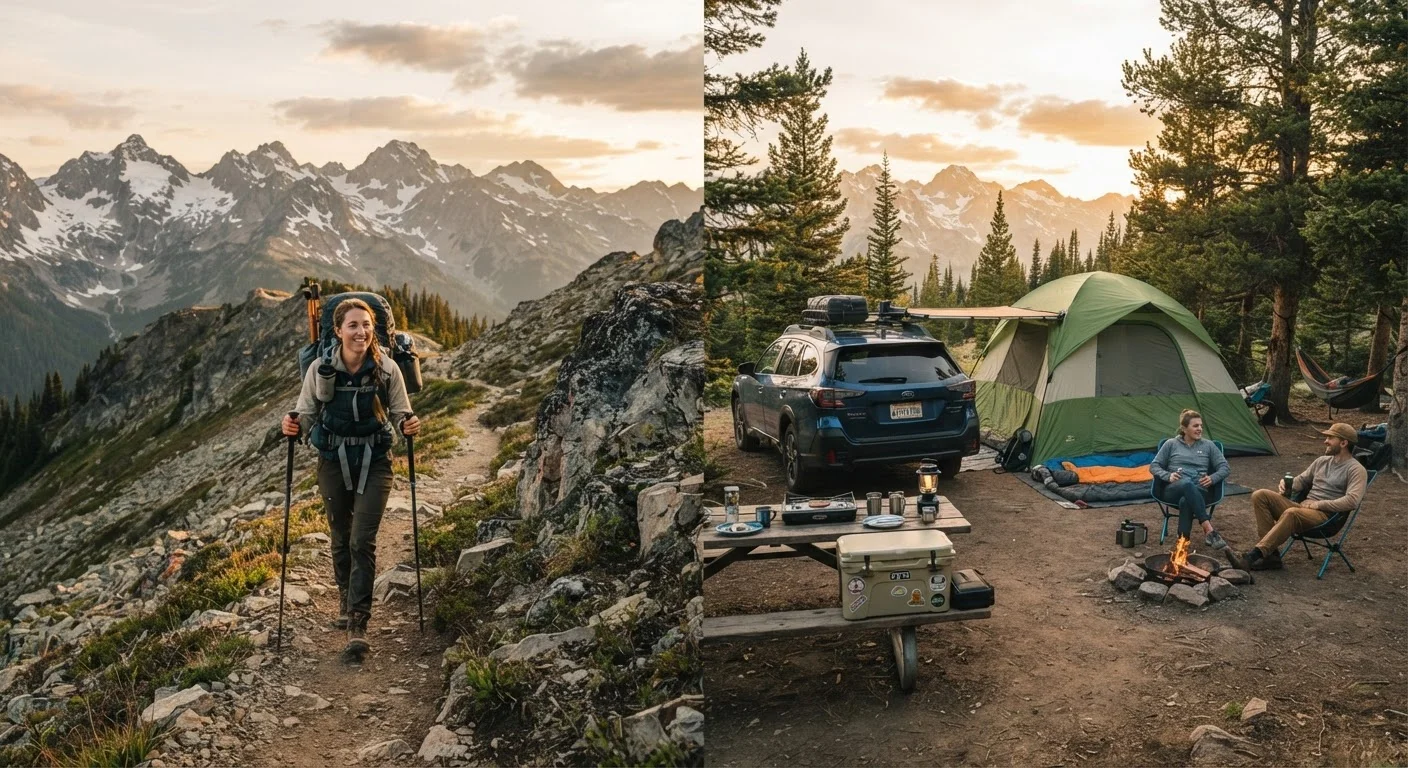
The single best decision a first-time camper can make is starting at a developed campground rather than a remote, primitive site. Developed campgrounds — run by state parks, national parks, or the U.S. Forest Service — offer designated tent pads, fire rings, picnic tables, and restrooms. That infrastructure removes a lot of variables while you're still learning what camping actually feels like.
To find and book a site, start with Recreation.gov for federally managed land or your state's park reservation portal. Read site-level reviews when available — they'll tell you whether a site is shaded, how level the ground is, or whether it's close to a noisy road. Reserve well ahead for weekends between May and September; popular campgrounds fill weeks or months in advance.
Choosing a campground within two hours of home is a smart first move. It cuts travel fatigue and means you're never truly stranded if something doesn't go as planned.
Developed campground
A managed camping area with established amenities such as tent pads, picnic tables, fire rings, restrooms, and sometimes electrical hookups — ideal for beginners.
Sleeping pad
An insulating mat placed beneath your sleeping bag that keeps body heat from being lost into the cold ground overnight.
Bear canister
A hard-sided, animal-resistant container used to store food and scented items safely away from wildlife at a campsite.
Leave No Trace (LNT)
A widely accepted set of seven outdoor ethics principles that guide campers and hikers to reduce their environmental impact in natural areas.
Temperature rating
A standardized figure on a sleeping bag indicating the lowest temperature at which the bag is designed to keep a typical sleeper comfortable.
Campsite reservation
An advance booking that secures a specific campsite for designated nights, required at most popular public campgrounds during peak season.
Essential Gear for Beginners
Camping gear can spiral into an overwhelming list fast — resist that urge. Four categories cover nearly everything a first-timer genuinely needs:
- Shelter: A freestanding tent rated for at least three seasons keeps you dry and protects against wind. Check the capacity rating — a "2-person" tent is snug; go one size up for comfort.
- Sleep system: A sleeping bag with a temperature rating at or below the expected overnight low, plus a sleeping pad for insulation from the ground. Don't skip the pad — cold ground drains warmth faster than cold air.
- Light: A headlamp with fresh batteries keeps both hands free for camp tasks after dark. Bring a backup set of batteries.
- Water: A reusable water bottle plus a simple filter or purification tablets covers you if tap water isn't available at your site.
Beyond the core four, a camp stove, cookware, a cooler, and a basic first-aid kit round out a practical kit. Borrow or rent gear for your first trip before investing — you'll know what matters to you after one night out.
Practice Pitching Your Tent at Home First
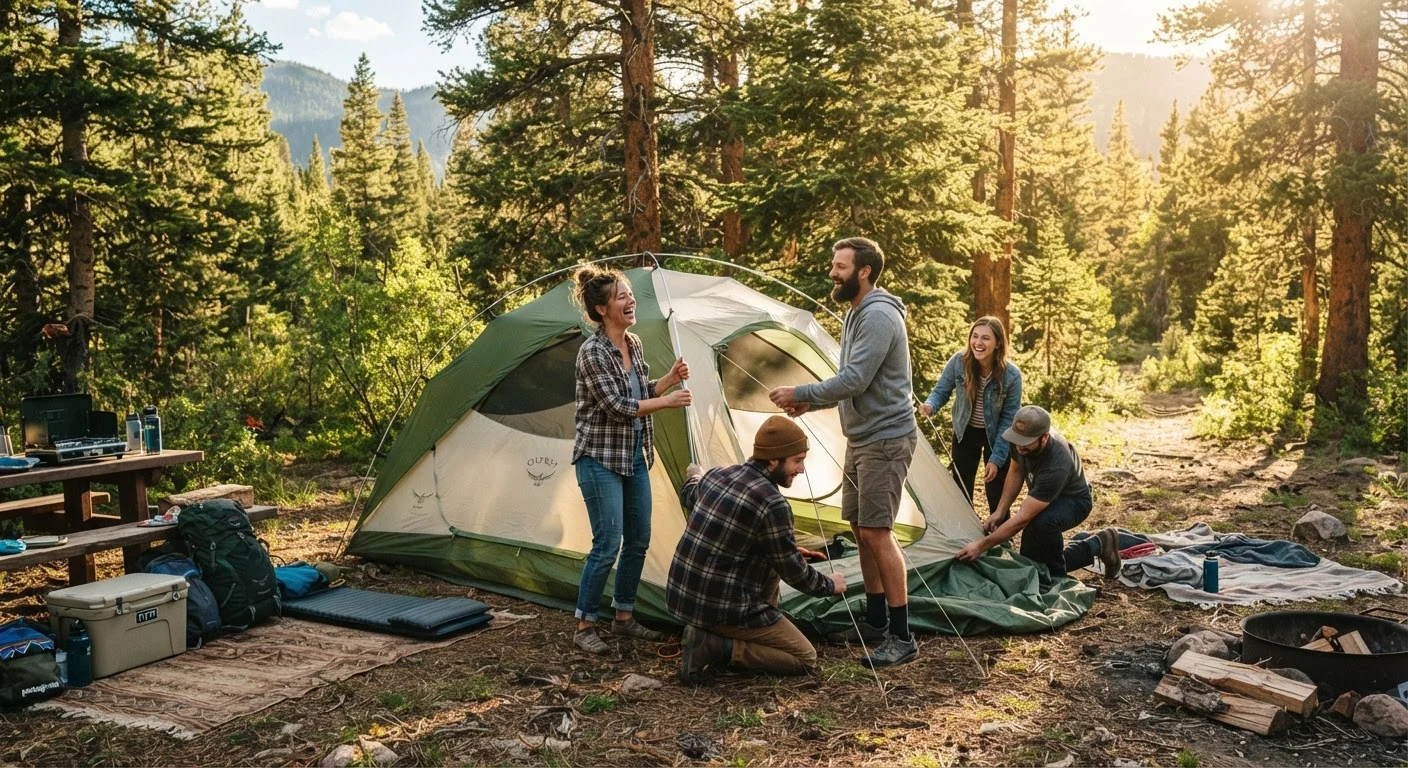
Set up your tent in the backyard or living room before your trip. This lets you spot any missing poles or stakes, figure out the setup sequence calmly, and arrive at the campsite confident — not fumbling in fading light. It takes about 15 minutes and is one of the best first-timer moves you can make.
Setting Up Camp Like a Pro
Arriving at your site with a plan saves daylight. Aim to reach the campground at least two hours before dark so you're not setting up by headlamp. Once there, walk the site before unloading — find the flattest, most sheltered ground for the tent, ideally on a slight rise so water drains away if it rains.
Pitch the tent door facing away from the prevailing wind. If your site has a bear box (a metal storage locker), mentally assign it as your food headquarters right away — building that habit early prevents mistakes later. Organize your camp in zones: sleeping area, cooking area, and food storage should all be separated, with cooking and food at least 100 feet downwind from where you sleep.
Set up your sleep system inside the tent before dinner so it's ready the moment you're tired. Small habits like this make camp life feel smooth rather than chaotic.
Campsite Safety and Leave No Trace
Safety and stewardship go hand in hand. Before leaving home, tell a trusted person your exact campground name, site number, and the date you expect to return. That simple step is more valuable than most gadgets.
Never Leave Food Unattended at Your Site
Even in areas with low wildlife activity, leaving food out attracts animals — from raccoons to bears — that can damage gear, create dangerous encounters, and lose their natural wariness of humans. Use a bear box, canister, or hang food at least 10 feet off the ground and 4 feet from any tree trunk. Check your specific campground's requirements before you go.
On the environmental side, following Leave No Trace (LNT) principles is both responsible and required in many areas. The core habits for campers are straightforward: pack out everything you pack in, use only established fire rings, keep fires small and fully extinguish them with water before sleeping or leaving, and stay on designated paths. For a deeper dive into why each principle matters, our guide on Leave No Trace's seven principles walks through every one in plain language.
Fire safety deserves special attention. Check local fire restrictions before your trip — many areas impose seasonal bans during dry conditions. When in doubt, use a camp stove instead of a campfire.
What to Do Once You're Out There
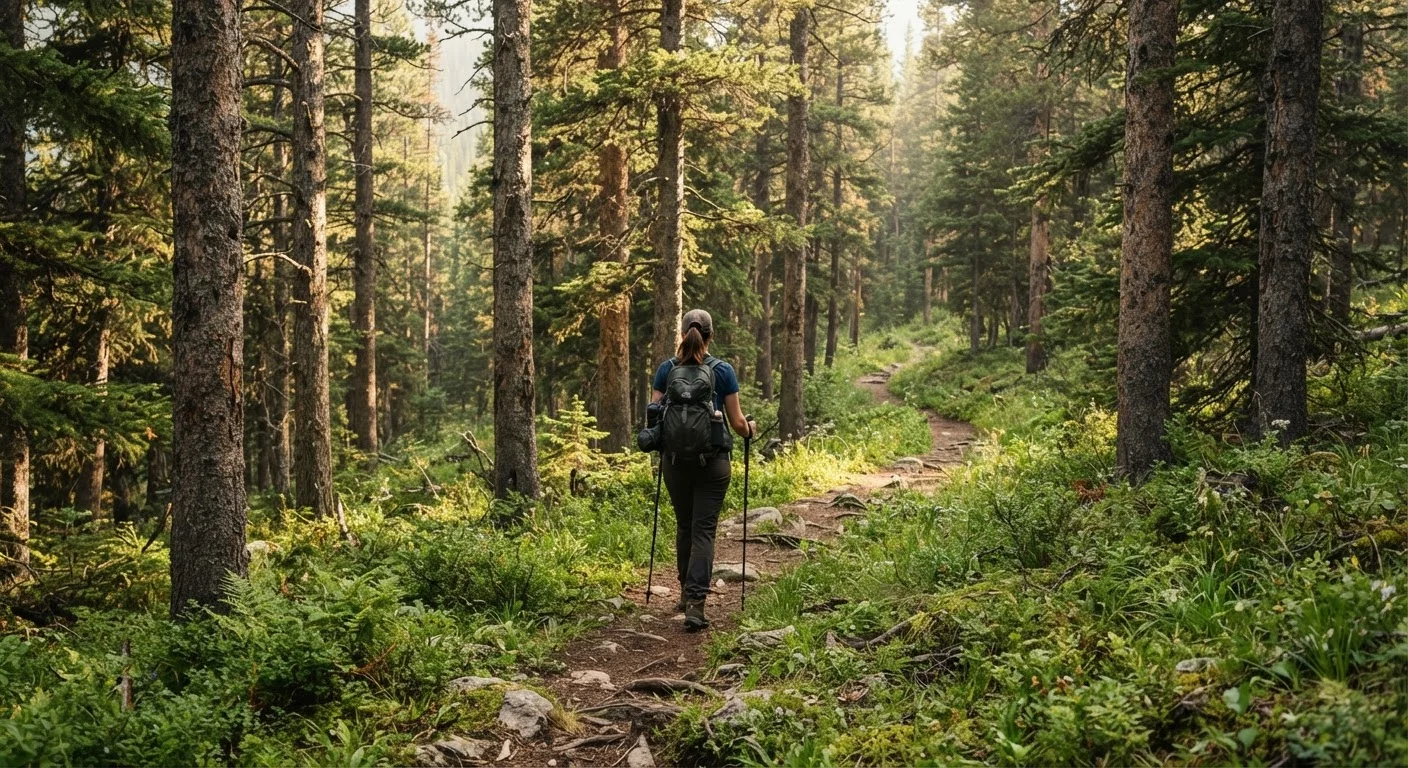
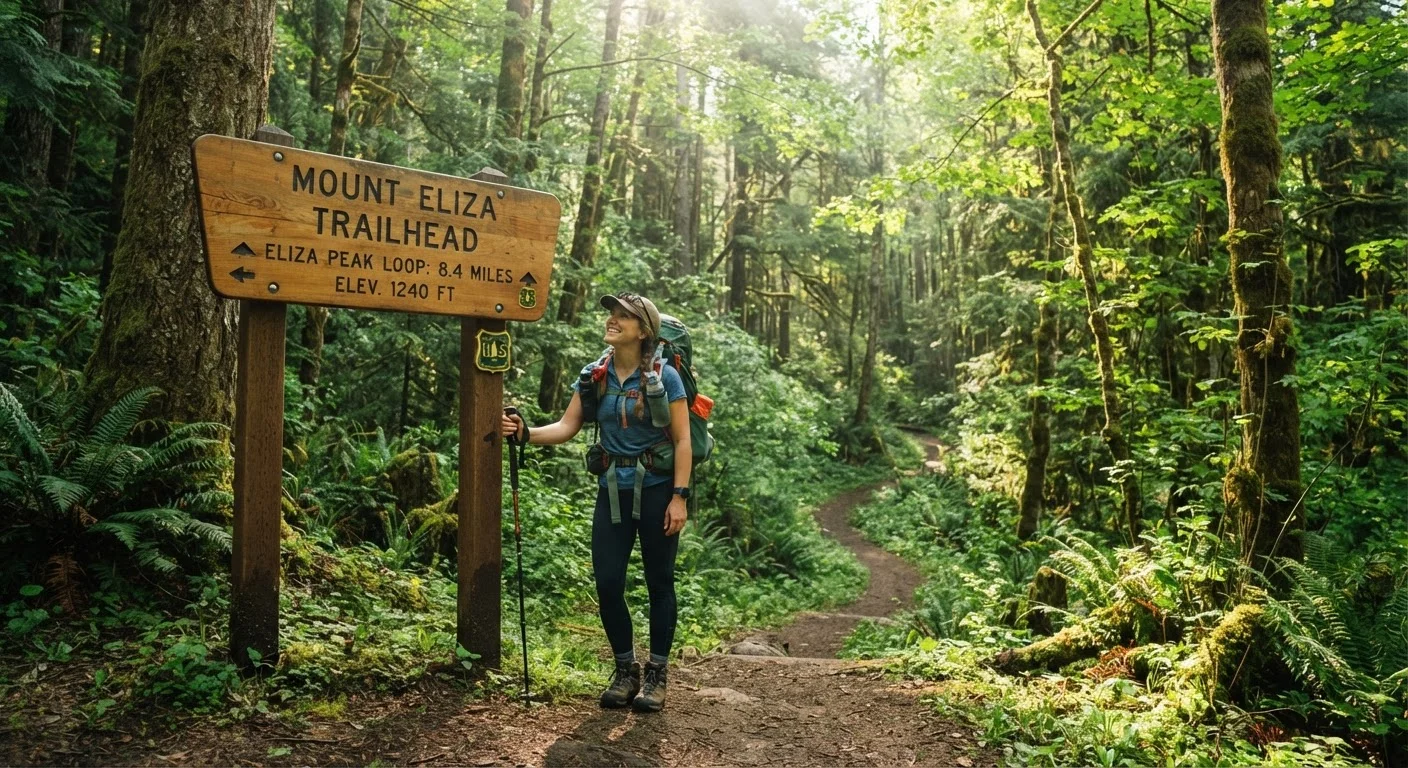
Camping is the platform; the outdoors is the activity. Even a simple developed campground usually sits near trails, lakes, or rivers that reward exploration. Plan at least one hike during your stay — use our day hike preparation checklist to pack smart and stay safe on the trail. If you're near water, freshwater fishing is an easy, low-pressure activity that pairs naturally with a campsite morning.
Navigation is worth thinking about too, even at a developed site. Cell service can be spotty in wooded or canyon terrain. Downloading an offline map before you leave, or learning to read a topographic map, builds confidence for exploring further from camp.
Most of all, let yourself be unhurried. The rhythm of a campsite — slower meals, earlier sunsets, quieter mornings — is itself the experience. After your first trip, you'll have a clear picture of what to tweak, what gear you actually used, and where you want to go next. That's the real reward.