Why Age-Appropriate Planning Makes or Breaks the Adventure
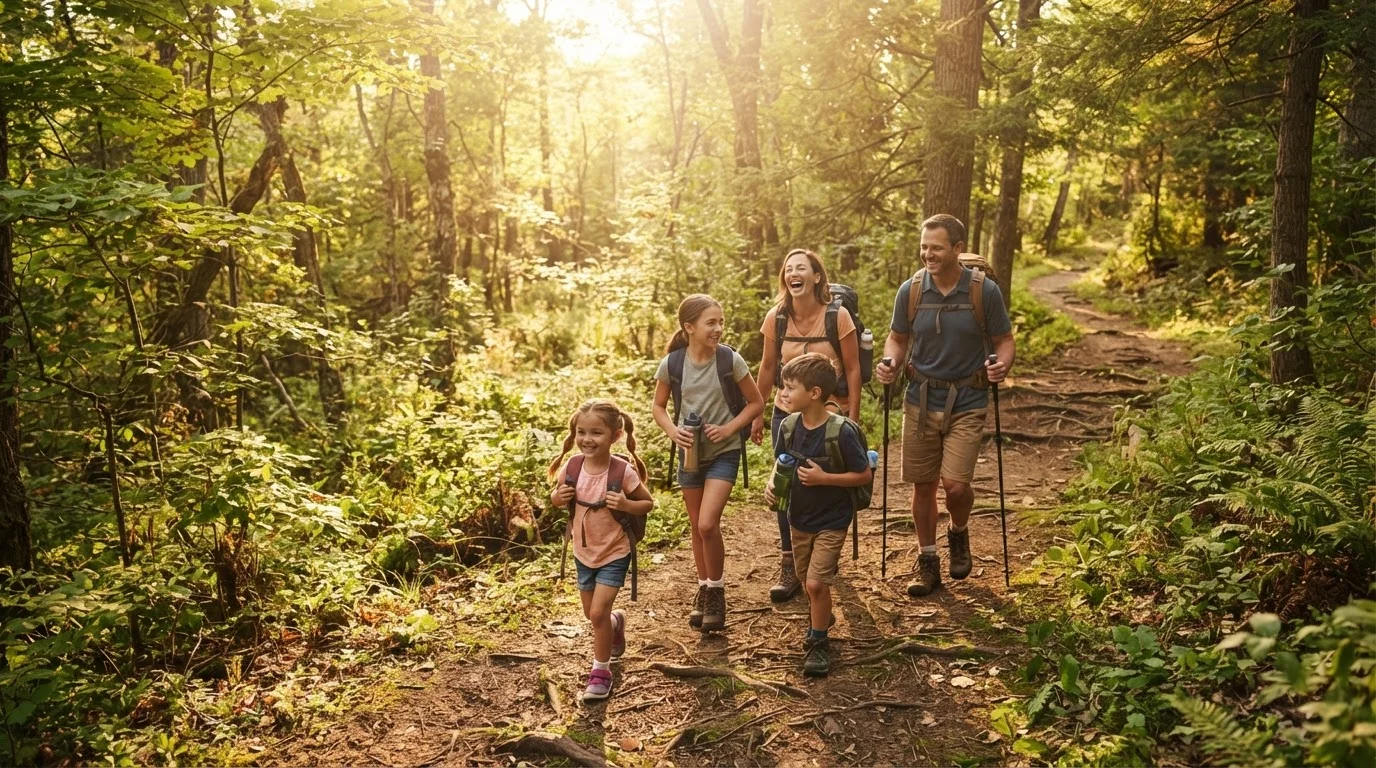
Getting outside as a family sounds simple — until a four-year-old refuses to walk another step and a ten-year-old is sprinting ahead, bored with the pace. The gap between what different ages can handle physically and emotionally is wider than most adults expect, and ignoring it is the fastest route to a miserable afternoon.
The good news: a little upfront planning transforms that gap from a problem into an opportunity. When activities are designed around what each child can realistically do and enjoy, the whole group benefits. Younger kids feel capable rather than overwhelmed; older ones feel challenged rather than restless.
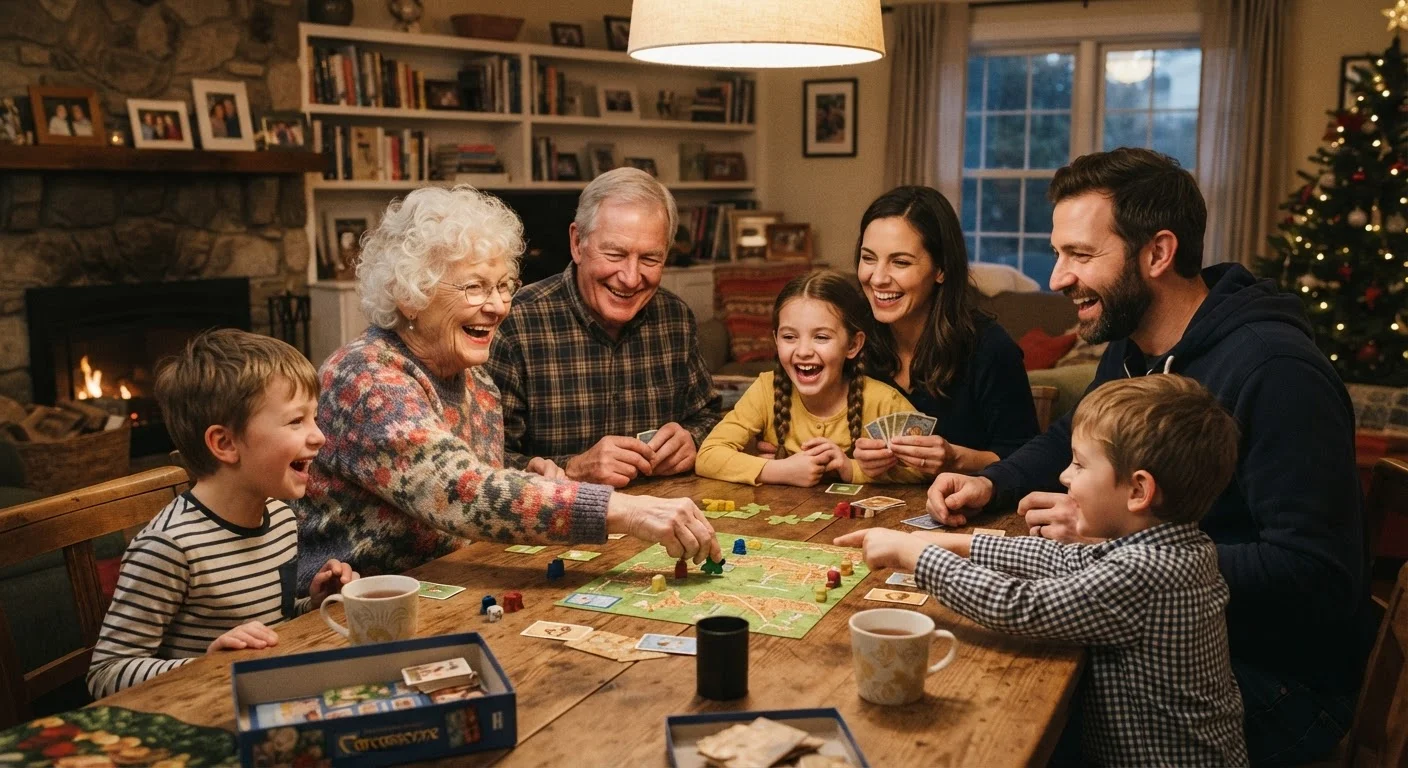
Think in terms of three broad windows — toddlers and preschoolers (roughly 2–5), elementary-age kids (6–10), and tweens and teens (11+). Each group has genuinely different needs around distance, decision-making, and stimulation. For ideas on how these same principles apply to mixed-age indoor settings, see our article on playing games with mixed ages.
Best Practices for Keeping Every Age Group Engaged
The practices below aren't one-size-fits-all rules — they're flexible tools you can layer and adapt based on who's in your group on any given day.
Scale distance and elevation to the youngest or least experienced child in your group.
Overestimating what kids can manage leads to exhaustion, tears, and a negative association with being outside. A shorter, successful outing builds far more lasting enthusiasm than an ambitious one that ends badly. As a general guideline, many outdoor educators suggest toddlers can manage roughly half a mile to one mile on gentle terrain.
Give children meaningful choices at key decision points during the outing.
Agency is one of the most powerful engagement tools available. When kids feel like participants rather than passengers, they invest emotionally in the experience. Even small decisions — which fork in the trail, where to eat the snack — build ownership and reduce resistance.
Build visible milestones into the route so progress feels concrete and rewarding.
Abstract distance means little to young children. Concrete landmarks — "we'll stop when we see the big rock" or "the waterfall is right after the wooden bridge" — give kids something to anticipate and celebrate, which sustains effort between points of interest.
Assign older children a light mentorship role when the group includes mixed ages.
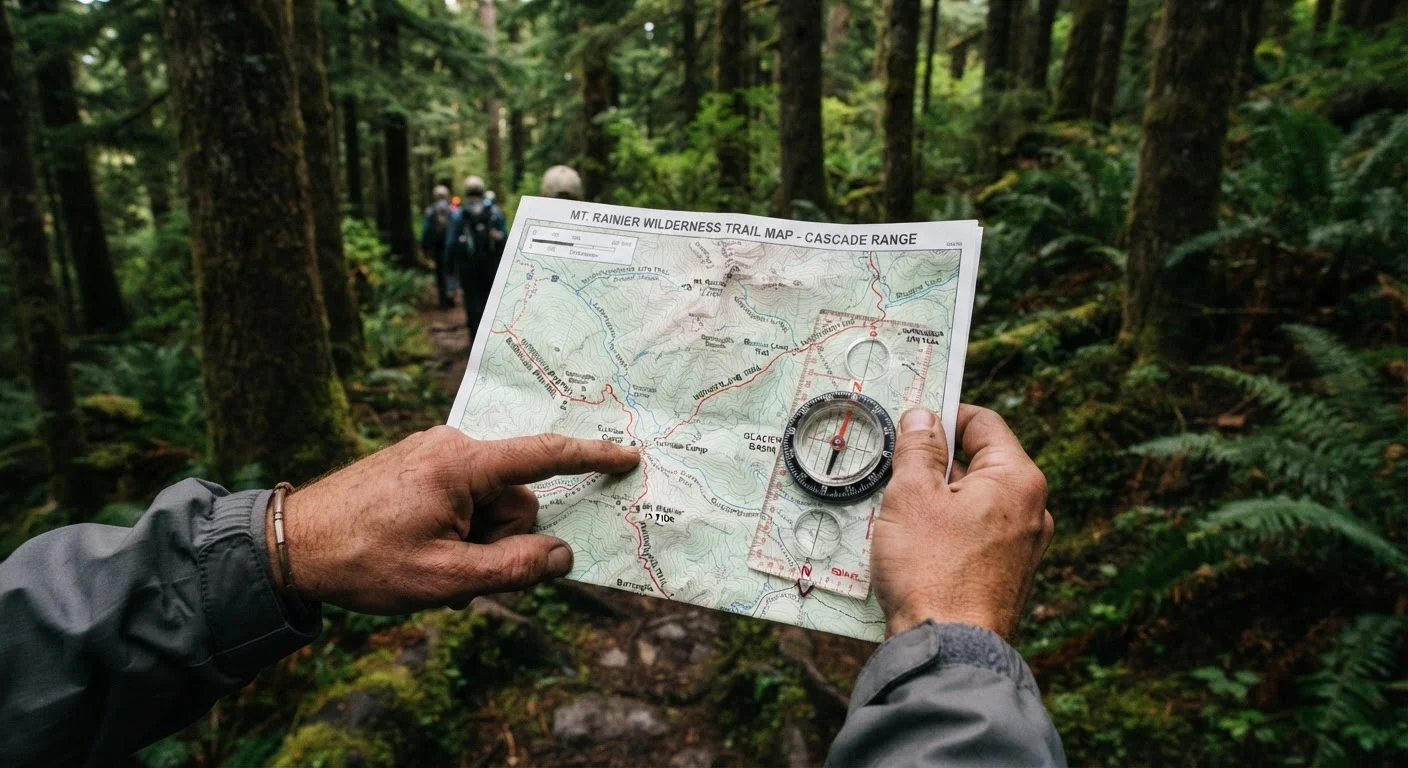
Tweens and teens often disengage when an outing feels too easy or too slow for them. Giving them a purposeful role — teaching a younger sibling to use a compass, carrying the first-aid kit, or leading the group for a trail segment — reframes the experience as a challenge rather than a chore.
Use nature observation games to convert downtime into active curiosity.
Children who are looking for something are rarely bored. Simple prompts that tune their attention to the environment around them — sounds, textures, patterns, animal signs — make even a slow or flat trail feel rich with discovery. These games require no equipment and can be invented on the spot.
For region-specific ideas on what to do and when, our guide to seasonal outdoor activities across America's climate zones is a great starting point.
Quick Wins Before You Head Out the Door
Some of the most effective engagement strategies happen before you reach the trailhead. A few small moves at home can shift a reluctant kid's mindset entirely.
Handling the Tricky Moments — Fatigue, Boredom, and the Meltdown
Even a perfectly planned outing will hit a rough patch. Kids get tired, weather changes, and enthusiasm fades. The adults who navigate these moments best are the ones who treat them as expected — not as failures.
When energy drops, resist the urge to push through at all costs. A ten-minute snack break near something visually interesting (a creek, a boulder, a bug-covered log) often resets the mood entirely. Frame it as an exploration stop, not a surrender.
Boredom between highlights is normal, especially for tweens accustomed to faster-paced stimulation. Nature observation challenges — "find five things that weren't here last season" or a simple scavenger list — fill those gaps without requiring any gear. If your group includes older teens who enjoy a technical challenge, introducing basic navigation skills can add real engagement; our guide to outdoor navigation without a signal walks through how map, compass, and GPS tools work together.
For meltdowns — especially with young children — acknowledge the feeling first. "That hill was really hard" lands better than "you're almost there." Validation moves kids forward faster than cheerleading.