America's Climate Zones Are Your Outdoor Calendar
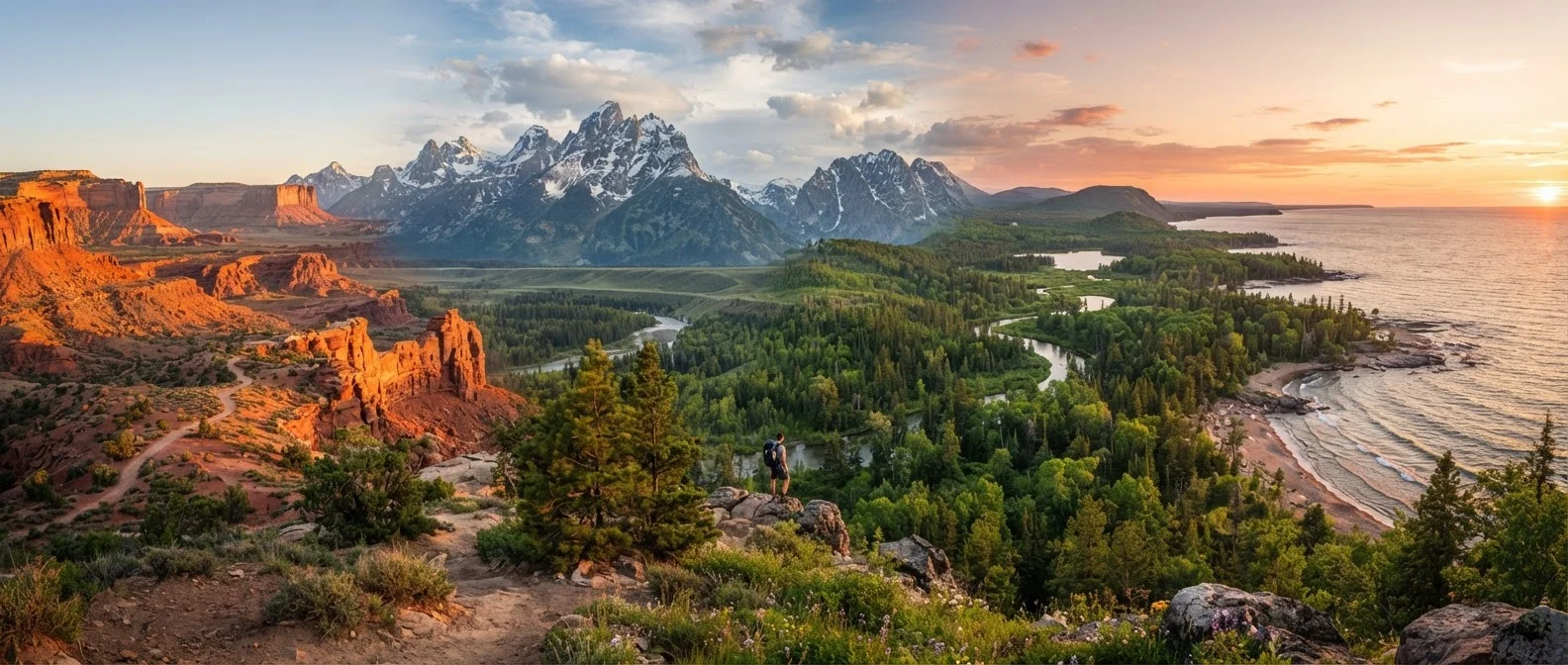
The United States spans more climate zones than almost any other country on Earth — from subtropical Florida and the arid Southwest to the alpine Rockies and the perpetually damp Pacific Northwest. That diversity is a gift for outdoor enthusiasts: while one region bakes or freezes, another is in its sweet spot. The trick is knowing which activity thrives where, and when.
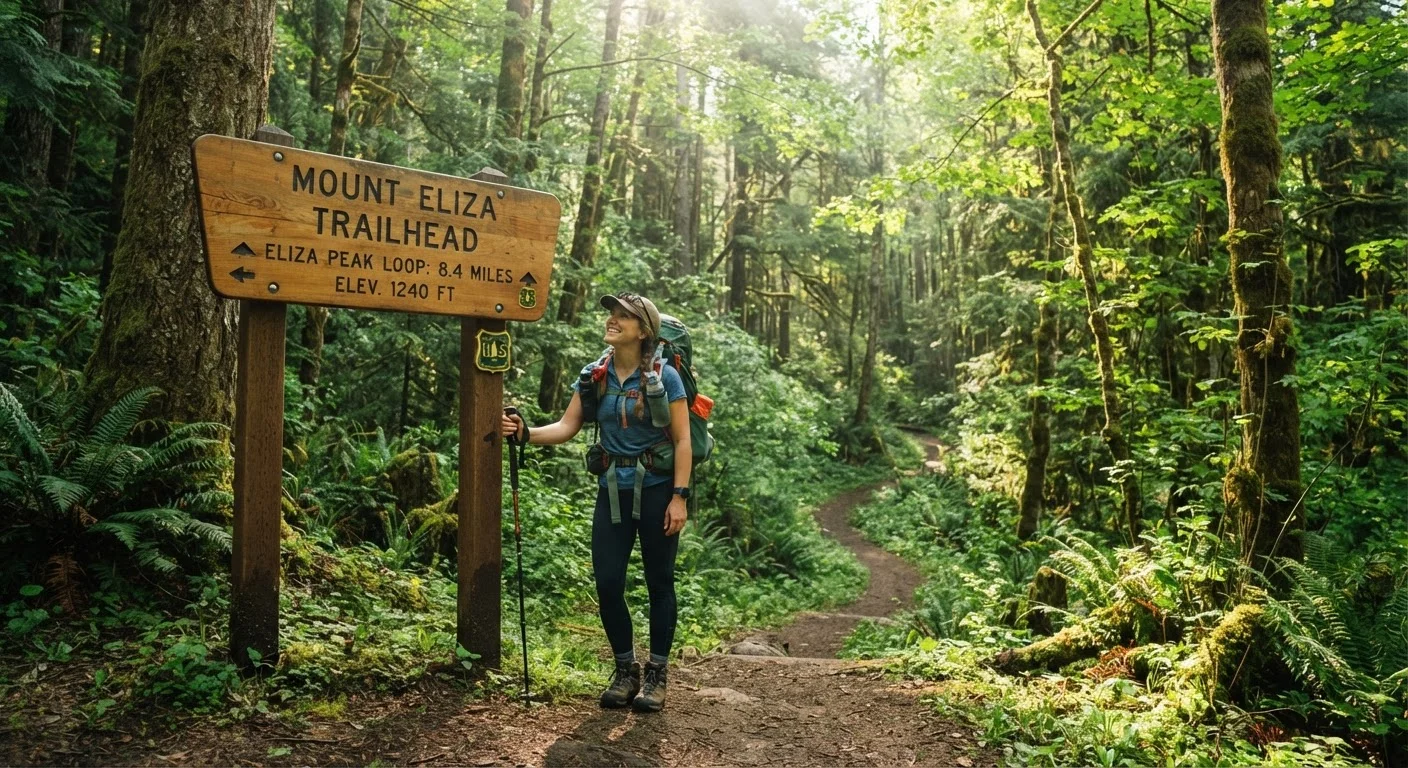
Whether you're a first-timer wondering where to start or a seasoned adventurer looking to branch out, thinking seasonally and regionally unlocks a full year's worth of outdoor experiences. And if you're heading out on foot for the first time, check out the Day Hike Preparation Checklist before you hit the trailhead. Below, we've mapped out standout activities tied to specific climate zones and their prime windows.
Desert Southwest — Spring Wildflower Hiking
The Sonoran and Mojave deserts transform dramatically between February and early April when winter rains coax a short-lived explosion of wildflowers across the valley floors. This is prime hiking season in Arizona, Southern California, and parts of Nevada — temperatures sit in the comfortable 60s–70s°F range before summer heat makes lower elevations dangerous.
Start with well-marked, flat-to-moderate trails and carry more water than you think you'll need — desert air is deceptively drying. If you're unsure how trail difficulty ratings translate to real-world effort, the guide to trail ratings breaks it down clearly before you commit to a route.
Desert spring offers perfect hiking temps and spectacular blooms — but the window closes fast.
Pacific Northwest — Summer Sea Kayaking
The Pacific Northwest coast and Puget Sound come alive in summer (July–September), when fog lifts, tides stabilize, and water temps become more forgiving for beginners. Sea kayaking lets paddlers explore kelp forests, rocky outcroppings, and island shorelines at a pace that hiking simply can't match.
Beginners should start with a guided half-day paddle on calm inland waters before venturing into open coastal channels. Pay close attention to tidal charts — strong tidal currents can be challenging even for experienced paddlers — and always wear a personal flotation device. Local outfitters and paddle clubs often offer free or low-cost introductory sessions.
Calm summer waters make the Pacific Northwest coast ideal for first-time sea kayakers.
Northern Rockies — Fall Backcountry Camping
After Labor Day, the crowds thin out across Montana, Wyoming, and Idaho's mountain ranges, and the aspens start their golden turn. Fall backcountry camping in this zone — roughly mid-September through mid-October — rewards those who plan carefully with stunning scenery and genuine solitude.
Temperatures can drop sharply at elevation once the sun sets, even if afternoons feel mild. Layering is essential; the common cold-weather layering mistakes guide covers exactly where people go wrong when packing for mountain conditions. Always check bear activity advisories and carry bear-safe food storage — fall is prime foraging season for wildlife in this zone.
Fall backcountry camping in the Rockies delivers solitude and color that summer can't match.
Great Lakes Region — Winter Ice Fishing
When Lake Erie, Lake Michigan, and scores of smaller inland lakes freeze reliably — typically January through February — the Great Lakes region becomes one of America's premier ice fishing destinations. Anglers drill holes through ice and drop lines for perch, walleye, and pike in a surprisingly social, low-key setting.
Ice thickness matters enormously for safety: most experienced anglers consider 4 inches of clear ice the minimum for a single person on foot, and at least 8–12 inches before driving vehicles out. Always check local conditions with bait shops or state DNR reports before heading out, and never go alone your first time. Ice fishing shelters (called shanties or tip-ups) can be rented affordably at many lakeside towns.
Ice fishing on the Great Lakes is a genuinely social winter tradition — with serious safety rules.
Appalachian Corridor — Spring and Fall Trail Running
The Appalachian Mountains, stretching from Georgia to Maine, offer an almost year-round trail running corridor — but spring (April–May) and fall (September–October) hit the sweet spot between manageable humidity and stable footing. Elevations here are gentler than the Rockies, making the region genuinely accessible for runners transitioning from road to trail.
The variable terrain — roots, rocks, creek crossings — demands more attention than road running, so start slow and prioritize footing over pace. Trail running clubs are active throughout the region and often welcome beginners for social weekend runs at a no-pressure pace.
The Appalachians offer beginner-friendly trail terrain across two excellent running seasons.
Gulf Coast and Florida — Winter Kayak Fishing and Birding
When the rest of the country hunkers down for winter, Florida and the Gulf Coast enter their finest outdoor season. From November through March, temperatures drop to the pleasant 60s–75°F range, humidity eases, and the region's extraordinary wildlife becomes especially accessible. Shallow-water kayak fishing for redfish and snook thrives in Florida's backcountry estuaries, while migratory shorebirds pack Gulf Coast beaches and wetlands.
Birding requires no special equipment to start — a basic pair of binoculars and a free app for bird identification are enough to turn a morning walk into a genuine wildlife encounter. Paddlers should be aware of manatee protection zones and no-wake areas throughout Florida's waterways, which are actively enforced.
Gulf Coast winters turn this region into an outdoor paradise for paddlers and birders alike.
Plan Ahead and Make the Most of Every Season
The biggest mistake outdoor beginners make is treating the calendar as flat — assuming summer is always best, or that winter shuts everything down. In reality, some of America's most rewarding outdoor experiences happen in the in-between moments. Spring wildflower blooms in the Sonoran Desert are gone by late April; fall color in New England peaks for just two or three weeks. Timing your trip to match the region is half the adventure.
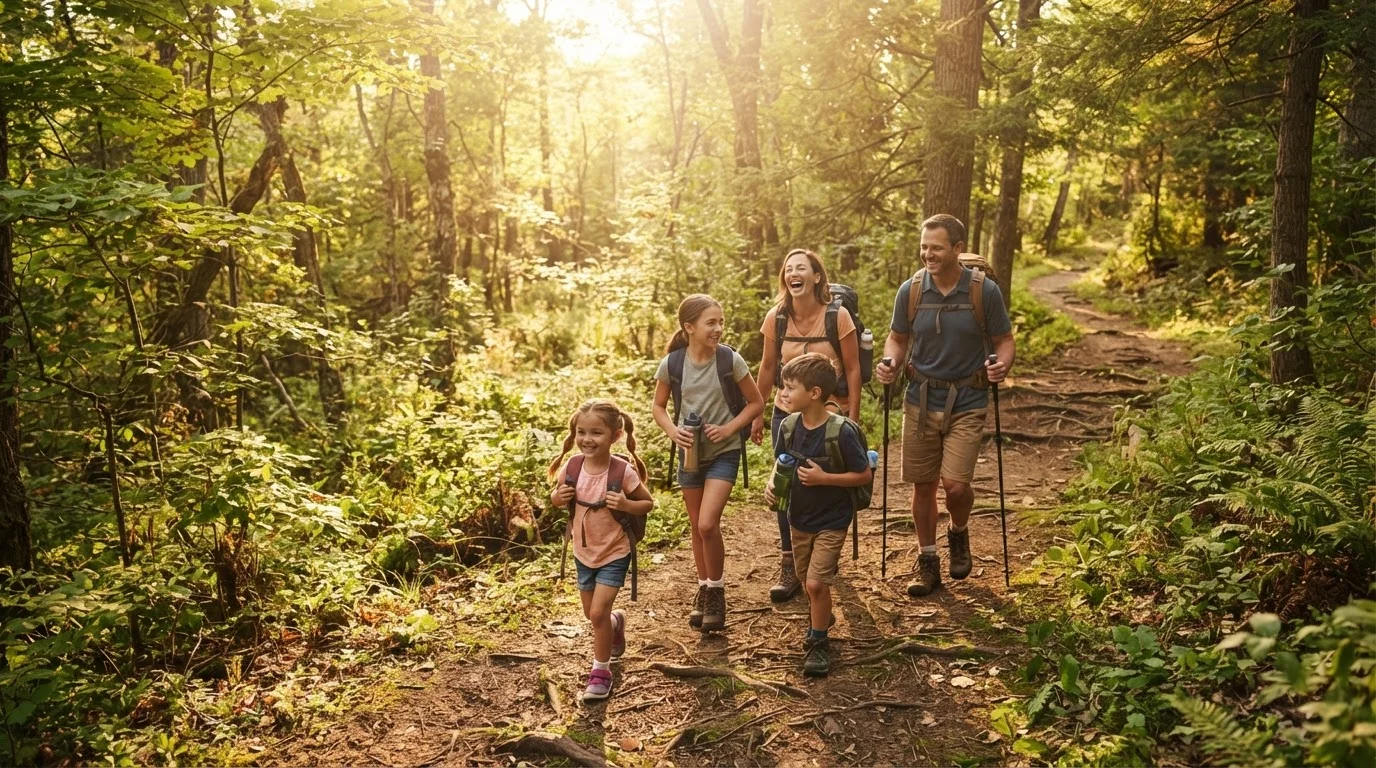
For families especially, matching the activity to the season — and to your kids' energy levels — makes all the difference. Our guide on keeping kids engaged on outdoor adventures has age-specific ideas for making nature feel like play, not a chore. And don't overlook shoulder season: as explored in Shoulder Season: The Smartest Window Most Travelers Ignore, those transitional weeks often deliver the ideal blend of accessibility and atmosphere. However you choose to explore, stay flexible — weather in most American climate zones can shift quickly, and the best outdoor experiences often come from leaning into the unexpected.
Check Local Conditions Before You Go
Regional parks, state DNR agencies, and National Park Service websites post current trail, weather, and safety conditions for free. A five-minute check before leaving home can prevent a wasted trip — or worse, a dangerous situation. For wildlife-heavy areas, look for any active closures or seasonal restrictions that may not show up on general mapping apps.