Getting Legal: Licenses and Regulations
Before you touch a rod, you need a freshwater fishing license. Every U.S. state requires one, and fishing without it can result in fines that'll sour your first outing fast. The good news: licenses are inexpensive (typically $15–$50 for a full year) and available online through your state's fish and wildlife agency — just search your state name plus "fishing license."
Along with the license, take five minutes to review your state's basic regulations. Key things to check:
- Bag limits — how many fish of a given species you're allowed to keep per day
- Size limits — minimum lengths for keeping certain species (undersized fish must be released)
- Restricted waters — some lakes or rivers are catch-and-release only, or closed seasonally
Your state's wildlife agency website will have a simple regulation summary. Many also offer a free printed booklet at bait shops. This isn't bureaucratic busywork — regulations exist to protect fish populations so the sport stays healthy for everyone.
Free Fishing Days Are a Great Trial Run
Most states designate one or two 'Free Fishing Days' each year when residents can fish without a license — typically in early summer. These are perfect for total beginners who want to try the hobby before committing to a license. Check your state wildlife agency's website for this year's dates and any conditions that apply.
Gear You Actually Need (And What to Skip)
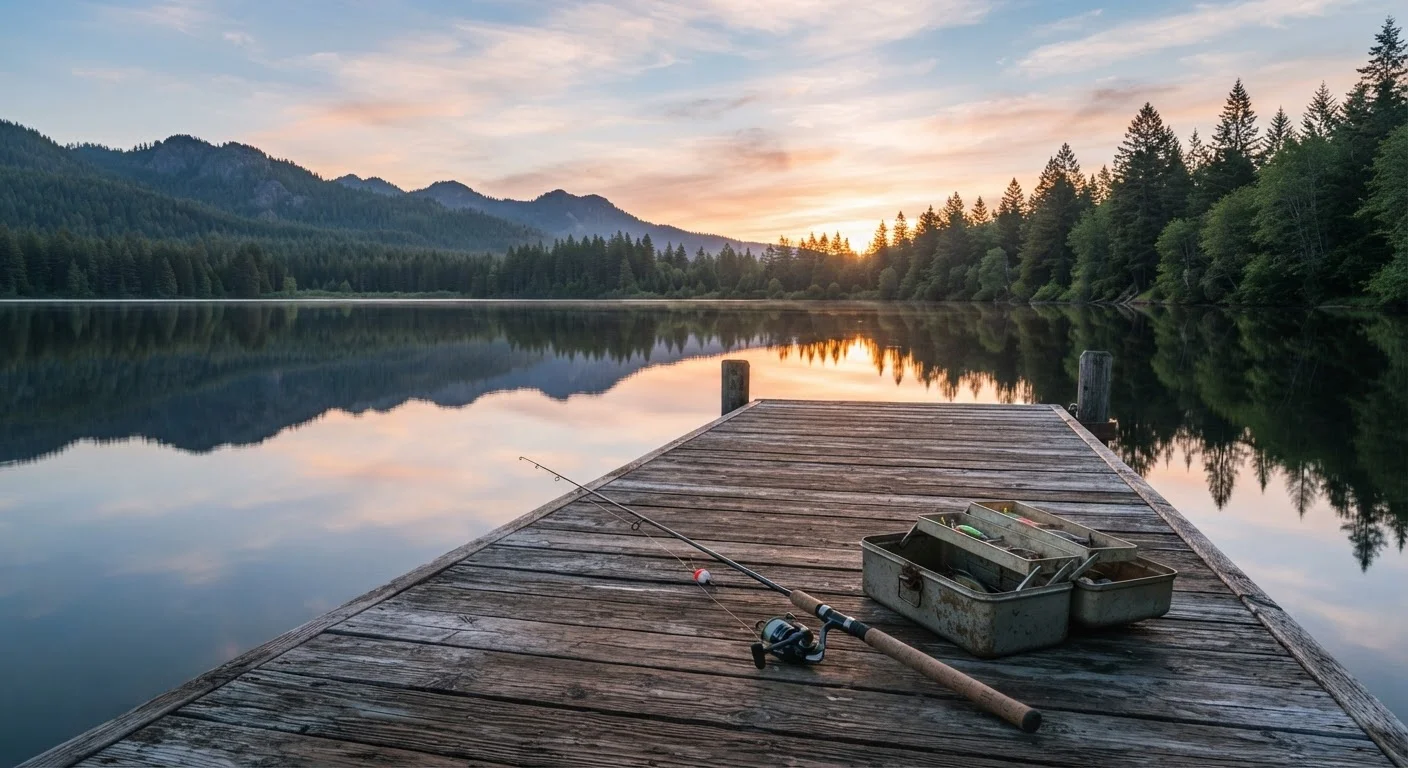
Walk into any sporting goods store and you'll see walls of fishing gear that looks simultaneously essential and overwhelming. Here's the truth: beginners need very little. A simple spinning rod and reel combo (usually sold pre-spooled with line) is the most forgiving setup to learn on and handles most freshwater species well.
Spinning rod and reel
A beginner-friendly rod-and-reel combination where the reel hangs below the rod. The line is released and retrieved using an open-face spool — easier to learn than casting or baitcasting setups.
Monofilament line
A single-strand fishing line made of nylon. It stretches slightly (which helps absorb the shock of a fish strike), is affordable, and is easy to tie knots with — ideal for beginners.
Test (lb test)
The amount of weight a fishing line can hold before breaking, measured in pounds. A 6 lb test line, for example, is rated to hold up to 6 pounds of pressure.
Structure
Physical features in or around water — such as rocks, logs, weeds, or depth changes — where fish gather for shelter and food. Fishing near structure dramatically increases your chances of a catch.
Bobber
A small floating device clipped to your line that keeps your bait at a set depth and bobs or dips when a fish takes the bait, signaling you to set the hook.
Bag limit
The legal maximum number of fish of a specific species you are allowed to keep in a single day, set by your state's fish and wildlife agency to protect fish populations.
Beyond the rod and reel, your starter kit looks like this:
- Monofilament fishing line — 6–10 lb test is versatile for most beginners
- Hooks — size 6 or 8 baitholder hooks cover a wide range of situations
- Split-shot sinkers — small weights that get your bait down to where fish are
- Bobbers — keeps your bait at a set depth and gives you a visual strike indicator
- Bait — nightcrawlers (earthworms) from a bait shop are reliable and cheap
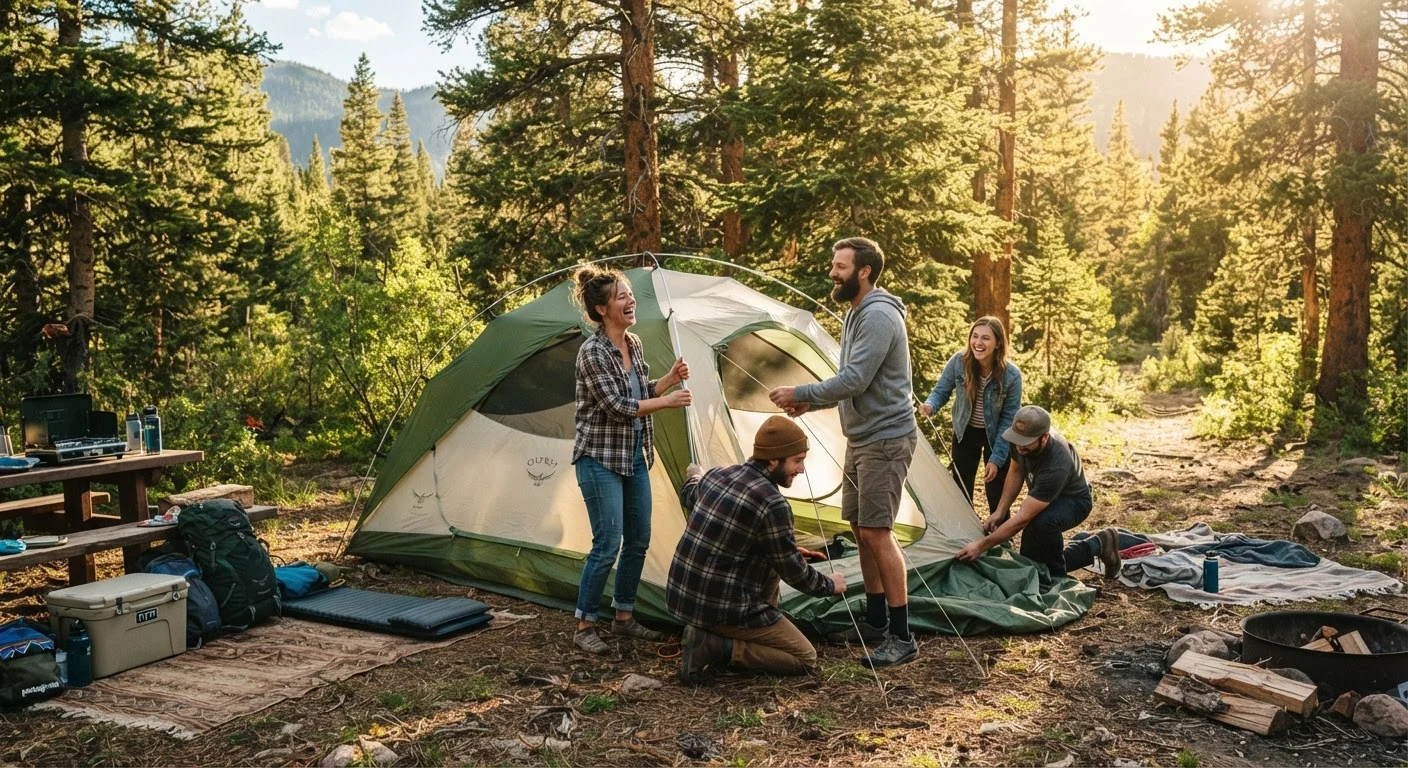
That's genuinely it for day one. You can add lures, tackle boxes, and specialty gear as you learn what you enjoy. If you're pairing this trip with a camping adventure, check out our first-time camping guide for advice on packing smart for the whole outing.
Tying Your First Knot
The connection between your line and hook is only as strong as the knot holding them together. A bad knot means a lost fish — and possibly a lost hook. Fortunately, one knot handles most beginner situations beautifully: the improved clinch knot.
Here's how to tie it:
- Thread 6 inches of line through the eye of the hook.
- Wrap the tag end (the loose end) around the main line five times, moving away from the hook.
- Pass the tag end through the small loop just above the hook eye, then back through the large loop you just created.
- Pull both ends to tighten, then trim the excess tag end close to the knot.
Practice this on your couch before you go. Monofilament line can be slippery, and tying knots with cold or wet hands at the water's edge is harder than it sounds. Ten minutes of dry-run practice will save you a lot of frustration on your first real outing.
Where and When to Find Fish
Fish aren't distributed randomly across a lake or river — they congregate where food, shelter, and comfortable water temperature overlap. Learning to read water is one of the most satisfying skills in fishing, and beginners can pick up the basics quickly.
Look for structure. Submerged logs, dock pilings, weed beds, rocky points, and drop-offs (where the bottom suddenly gets deeper) all attract fish. In rivers, fish often hold in slower water just behind boulders or along the seam where fast and slow currents meet.
Fish the right time of day. Dawn and the two hours after sunrise are consistently productive windows across most species. Late afternoon into dusk is similarly active. Midday sun in summer often pushes fish deeper or into shade, making it a tougher time to start.
Match the season. In spring, fish move shallow to spawn and feed aggressively — ideal for beginners. Summer fish go deeper midday. Fall brings another feeding flurry before winter slows activity significantly.
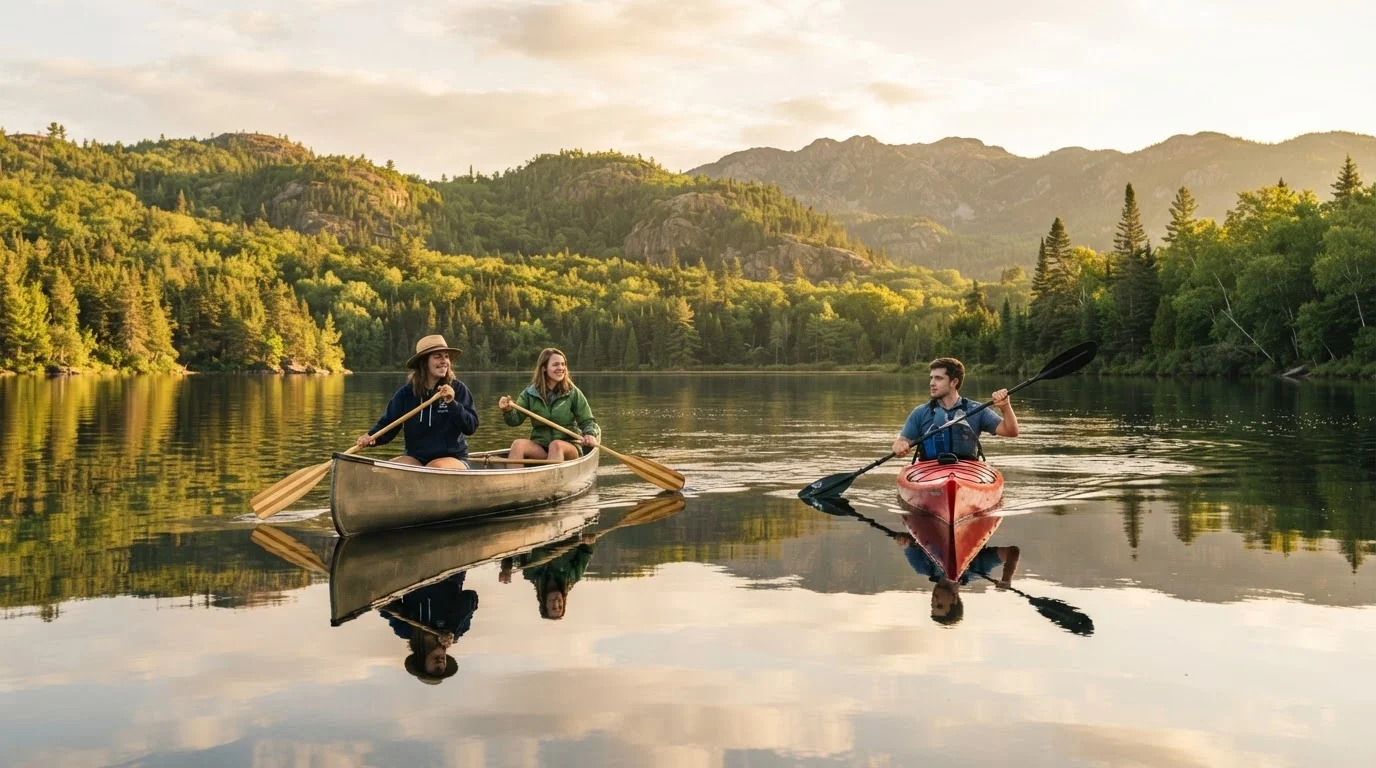
If you enjoy being out on the water itself, our kayaking and canoeing primer explores how to combine paddling with fishing adventures.
Ask the Locals at the Bait Shop
Local bait and tackle shops are goldmines of real-time fishing intelligence. Staff can tell you what species are biting, which baits are working right now, and where public fishing access is closest. A friendly five-minute conversation before your trip is worth more than an hour of online research.
Making Your First Cast
With a spinning reel, casting comes down to a few simple mechanics. Open the bail (the wire arm on the reel), hold the line against the rod with your index finger, bring the rod back to about the 2 o'clock position behind you, and sweep it forward smoothly — releasing the line with your finger as the rod tip passes the 10 o'clock position in front. The lure or bait will carry the line out.
Don't try to muscle a long cast on day one. Short, accurate casts near visible structure catch far more fish than wild heaves into open water. Once the bait lands, let it sink to your target depth (watch the bobber), then wait. Patience is genuinely the skill fishing most rewards.
When the bobber dips or jiggles consistently, lift the rod tip sharply upward to set the hook — then keep tension on the line as you reel in steadily. Congratulations: you're fishing.
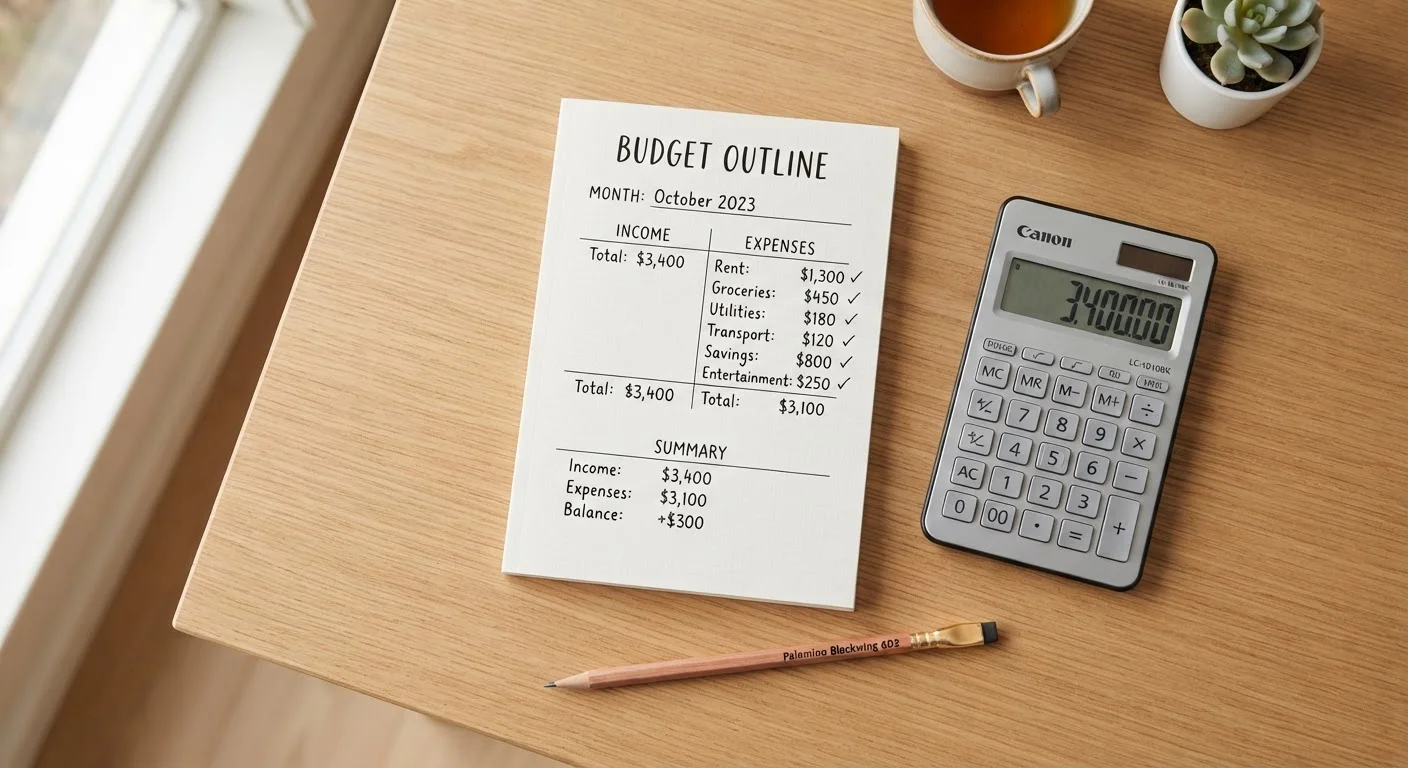
Getting into outdoor hobbies can occasionally involve a little up-front spending. If you're managing a starter budget for new hobbies, our personal budgeting guide has practical framing for planning hobby expenses alongside everyday financial goals.