The Core Difference: Paddles, Boats, and Body Position
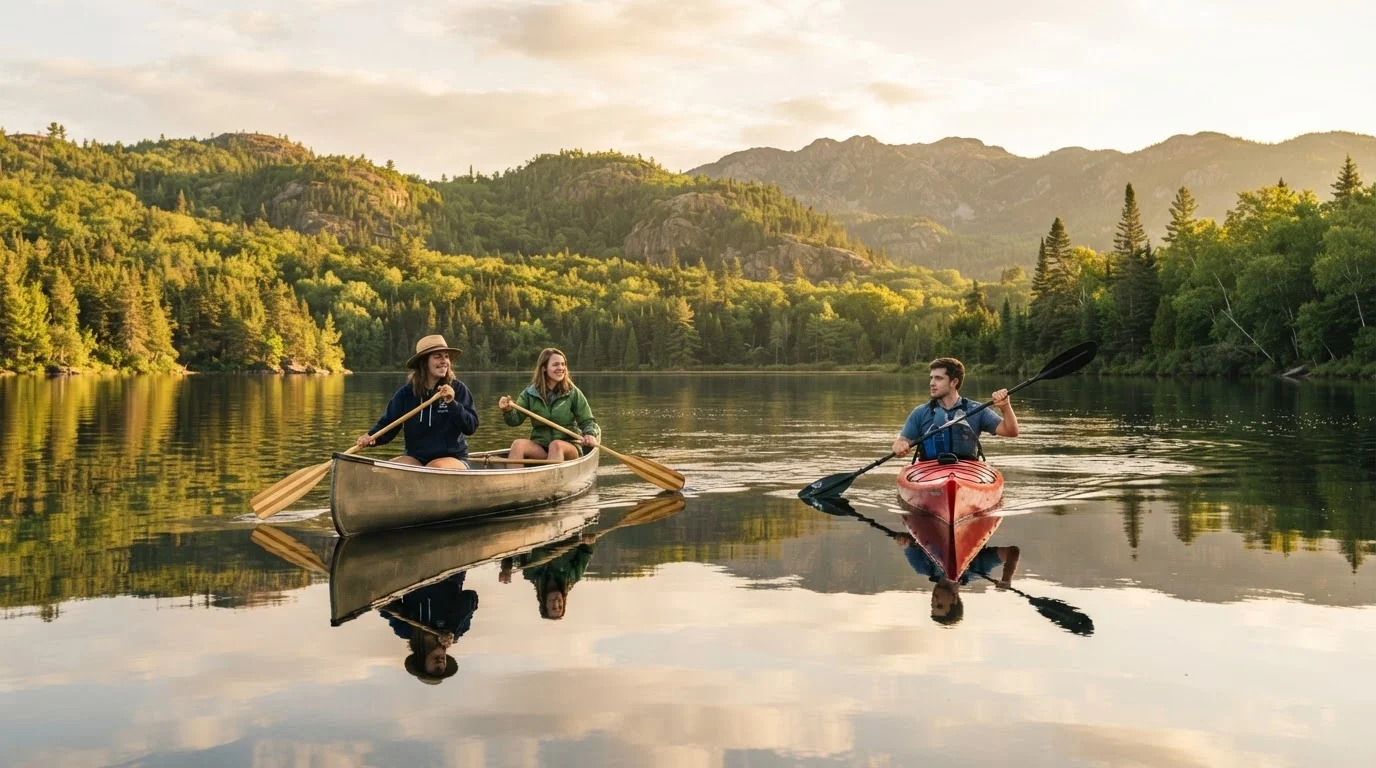
The single fastest way to tell a kayak from a canoe is to look at the paddle. Kayak paddles have a blade on each end; canoe paddles have just one blade and a T-shaped grip at the top. Everything else — the boat shape, the seating style, the technique — flows from that fundamental difference.
In a kayak, you sit close to the waterline with your legs stretched out in front of you inside the hull (or on top of a molded seat on a sit-on-top model). You alternate strokes on each side of the boat with your double-bladed paddle, which makes steering intuitive once you get the rhythm down.
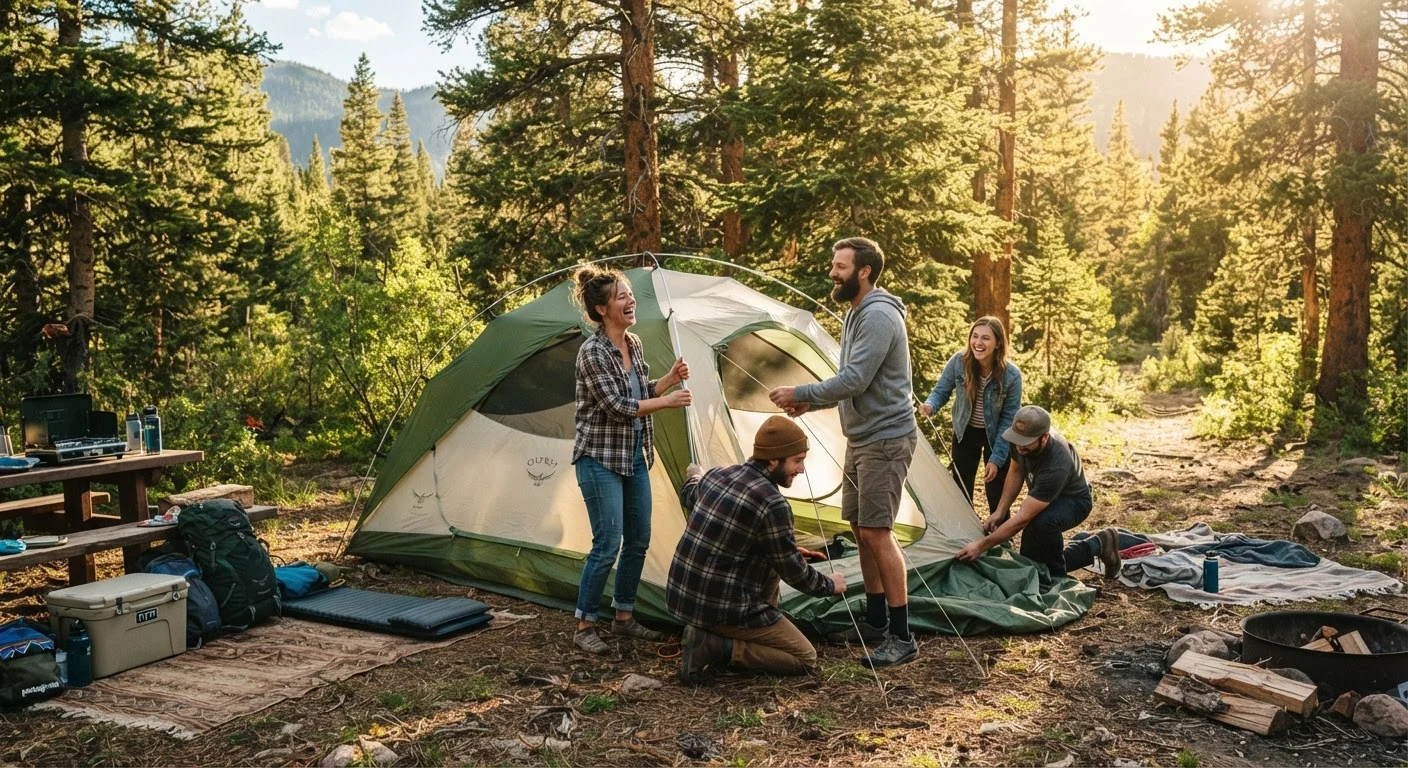
In a canoe, you sit higher — on a cane or aluminum thwart — or kneel on the hull floor for better stability. With a single-bladed paddle, you control direction by switching sides or using special correction strokes like the J-stroke. Open canoes are typically wider and more stable, which makes them great for family outings or carrying gear — a handy complement to a camping trip.
Choosing the Right Activity for You
Neither activity is universally superior — the best choice depends on what you want to do on the water.
~18M
Americans who paddle kayaks or canoes annually
According to the Outdoor Industry Association's participation reports, paddlesports consistently attract tens of millions of participants across the United States each year.
60%
Paddlers who are beginners or casual participants
Industry research suggests the majority of kayaking and canoeing participants are recreational paddlers, not competitive athletes — making it a genuinely accessible entry-level sport.
500+
ACA-certified instructors across the US
The American Canoe Association maintains a nationwide network of certified paddling instructors who offer beginner through advanced training in both kayaking and canoeing.
- Going solo? A recreational kayak is often the easier solo option. The double-bladed paddle lets you maintain control without a partner.
- Paddling with a friend or family? A tandem canoe offers generous space, a higher load capacity, and a cooperative dynamic that many people find enjoyable.
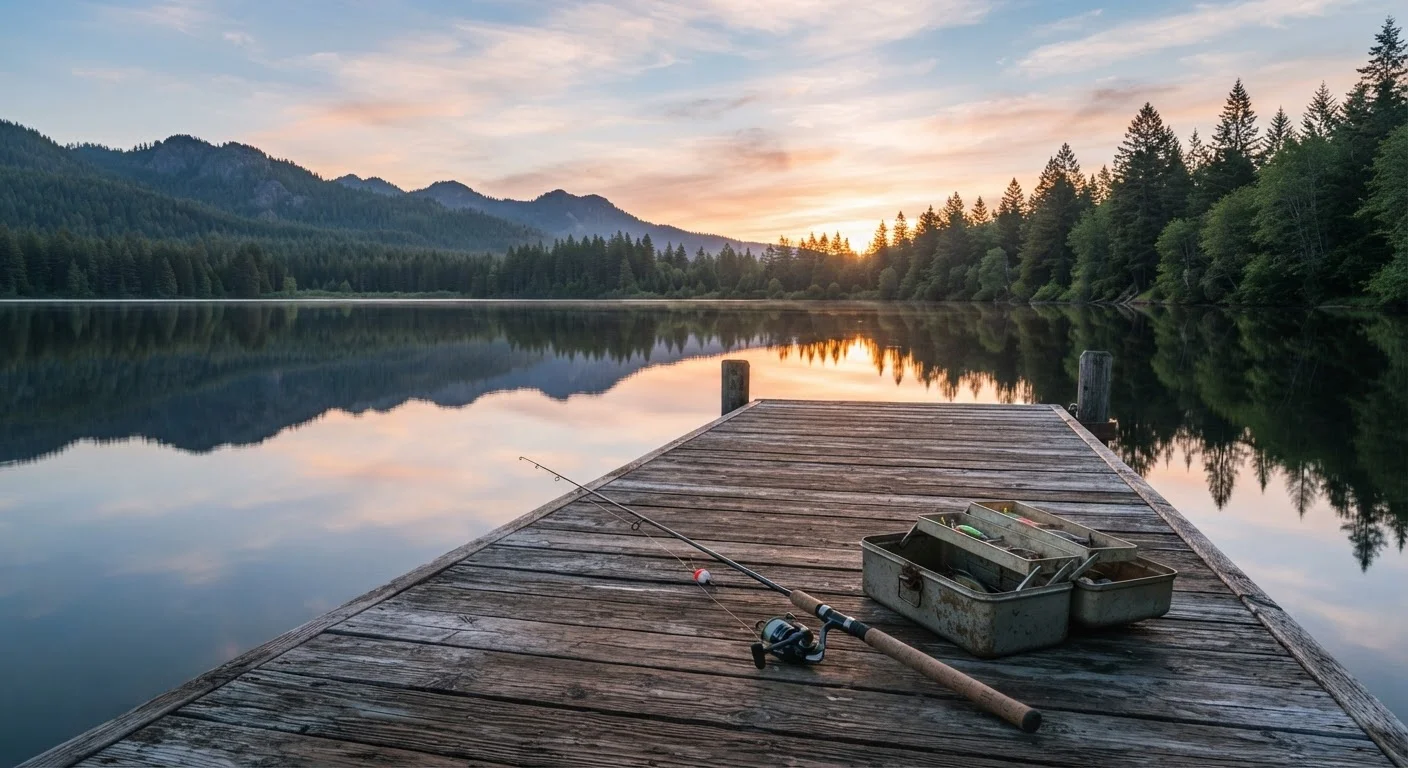
- Interested in fishing? Both craft work well for anglers. Wider, flat-bottomed canoes provide a stable standing platform, though many fishing-specific kayaks are also designed with rod holders and storage in mind. Pair your paddling with freshwater fishing fundamentals for a full day on the water.
- Craving adventure on moving water? Whitewater kayaks are purpose-built for river rapids, while open canoes can tackle mild whitewater with proper training.
If you're unsure, try renting both on a calm lake before committing to lessons or gear purchases. Many outfitters offer guided intro sessions that let you test each style in an hour or two.
Safety First: What Every Beginner Must Know
Paddling feels peaceful — and it is — but water carries real risk. A few non-negotiable habits will keep your outings enjoyable rather than dangerous.
Start With a Guided Rental or Lesson
Before buying any gear, try renting from a local outfitter or signing up for a beginner class through the American Canoe Association (ACA). A guided first session removes the guesswork about technique and safety and often includes PFD rental, so your upfront cost stays low. Many paddlers find that just one two-hour lesson cuts weeks off the self-taught learning curve.
- Always wear your PFD. A personal flotation device saves lives. Make sure it fits snugly and is Coast Guard–approved for your weight and activity type.
- Check the weather. Wind creates chop; storms can appear quickly. Beginner paddlers should stick to calm days and avoid open water if winds exceed roughly 10–15 mph.
- Tell someone your plan. Let a friend or family member know where you're launching, where you're heading, and when you expect to return.
- Learn wet exits and self-rescue early. Capsizing is a when, not an if. Knowing how to get out of an overturned kayak and back onto it (or swim it to shore) is a foundational safety skill taught in most beginner courses.
- Dress for the water temperature, not the air temperature. Cold water can cause shock and swimming failure within minutes. In colder months or early spring, a wetsuit or drysuit may be warranted.
The American Canoe Association (ACA) offers beginner-level courses taught by certified instructors across the country — a great investment for anyone new to either sport.
Getting Started: Your First Few Paddles
The best first session is short, close to shore, and focused on comfort rather than distance. Here's a simple progression most instructors recommend:
- Practice on land first. Sit in your boat on the grass and practice your paddle stroke — forward stroke, reverse, sweep turn — before touching the water.
- Launch from a gentle, sandy bank or dock. Avoid rocky shores or areas with current until you're confident getting in and out.
- Paddle parallel to shore so you're never far from land while you build muscle memory.
- Practice stopping and turning before you venture further out. Knowing how to spin in place gives you confidence in tight spots.
- Keep your first outings to 30–60 minutes. Paddling muscles fatigue quickly when you're new, and tired arms lead to sloppy technique and risk.
From there, the learning curve moves fast. Within a few sessions, most newcomers can comfortably navigate a small lake or slow river and start exploring longer routes. It's an activity that grows with you — from a calm morning paddle to a multi-day wilderness trip — and the outdoor mindset pairs naturally with other pursuits like learning to fish along the way.