The Myths Keeping Travelers Overspending
Budget travel has a reputation problem. For many Americans, the phrase conjures images of lumpy hostel beds, sketchy neighborhoods, and meals eaten standing over a trash can. Those associations are understandable — but they're largely outdated and often simply wrong.
The result is that a lot of travelers spend significantly more than they need to, not because premium experiences are genuinely necessary, but because unchallenged assumptions make cheaper options feel risky or uncomfortable. Understanding where those assumptions break down is the first step toward traveling smarter without spending more. See our end-to-end guide to spending less on every travel stage for a practical companion to these myth corrections.
Myth
Budget accommodations are unsafe and unsanitary — you get what you pay for.
Fact
Many budget properties maintain rigorous cleanliness and security standards, often verified by traveler review platforms and independent inspection systems.
The accommodation market has changed substantially. Guesthouses, hostels, and budget hotels in most destinations are subject to the same public health and safety regulations as higher-priced properties. Review platforms allow travelers to flag hygiene or safety problems in real time, creating strong incentives for budget operators to maintain standards. Private rooms in hostels or small guesthouses frequently offer cleanliness and security comparable to three-star hotels at a fraction of the cost. The key is reading recent, verified reviews rather than relying on price as a proxy for quality.
Myth
Eating cheaply abroad means eating badly — or risking food poisoning.
Fact
Local markets, street food vendors, and neighborhood restaurants often serve fresher, more authentic food than tourist-facing establishments at any price point.
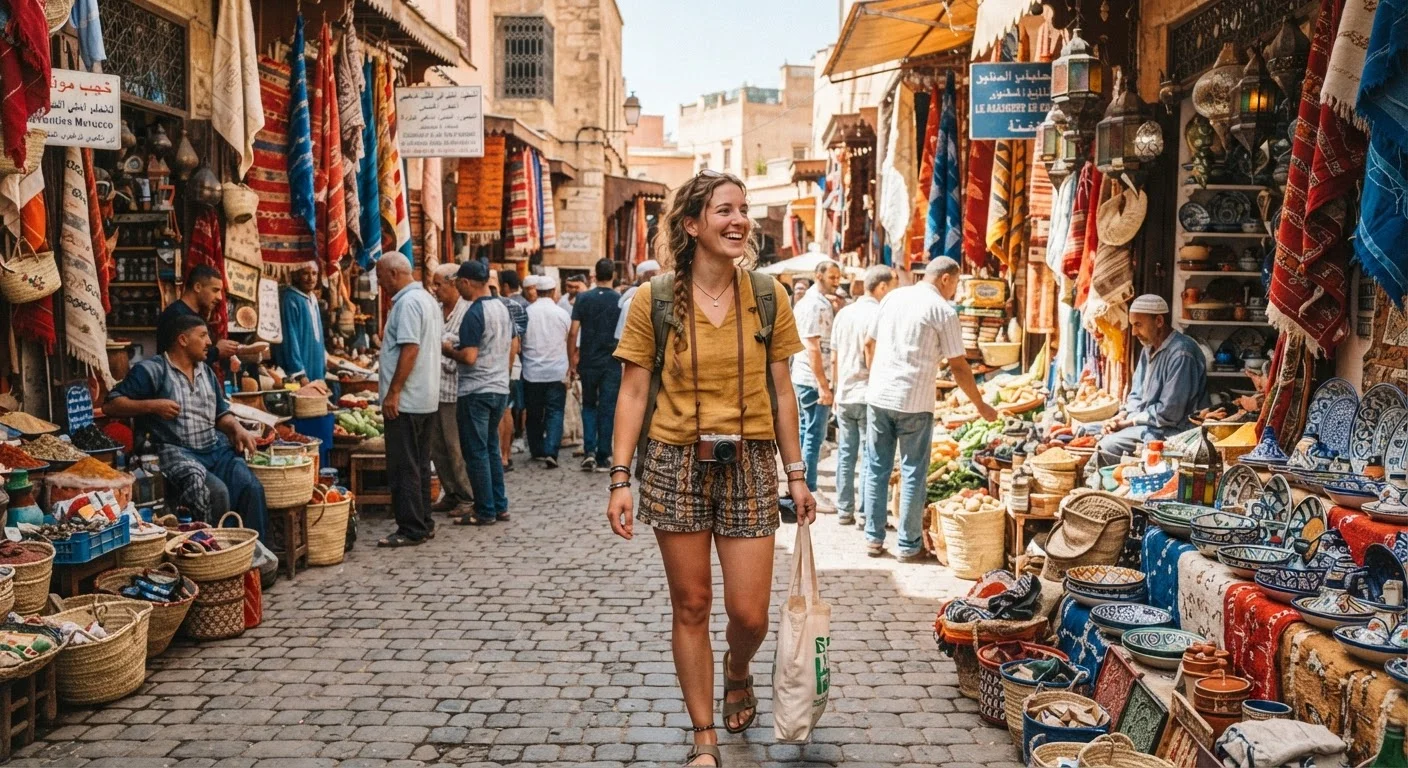
Street food cultures in many countries — from Southeast Asia to Latin America to Southern Europe — are built around high-volume, high-turnover cooking, which generally means fresher ingredients than a slow-moving restaurant kitchen. Vendors who cook in front of you eliminate many of the food safety unknowns present in back-of-house kitchens. The practical rule of thumb: look for stalls with visible food prep, high foot traffic from locals, and fresh-cooked items served hot. For practical strategies, see eating well abroad without draining your budget.
Myth
Budget travel means missing the best experiences — museums, tours, and attractions cost money.
Fact
A large share of genuinely memorable travel experiences — parks, markets, festivals, walking neighborhoods, free museum days — cost little or nothing.
Many of the most cited travel highlights require no entry fee: exploring historic city centers, visiting public beaches, attending local festivals, and using free walking tours offered in hundreds of cities worldwide. Major museums in cities like Washington D.C., London, and Amsterdam have free permanent collections or designated free-entry hours. Free and low-cost activities worth seeking out in any city outlines how to identify and vet these options before arrival, so you're not scrambling once you're there.
Myth
Booking flights early always saves you money — the sooner, the cheaper.
Fact
Airfare pricing is dynamic and route-dependent; booking too early can sometimes cost more than booking in the airline's typical sale window.
Airlines use demand-based pricing algorithms that adjust fares constantly. While booking extremely close to departure is almost always expensive, booking months too early can also mean paying above-average prices before promotional fares are released. Research generally points to a middle window — varying by route and season — where fares tend to be more competitive. Why booking flights early doesn't always mean paying less breaks down the timing factors in detail so you can make more informed decisions rather than following a rule of thumb that may not apply to your route.
Myth
Traveling on a budget is stressful and requires constant sacrifice.
Fact
Structured planning and clear daily spending targets reduce financial anxiety significantly — making budget trips feel more relaxed, not less.
The stress most people associate with budget travel typically comes from uncertainty, not frugality itself. Travelers who set a realistic daily spending number — and actually track it — report less financial anxiety than those who travel without a plan and worry about money throughout the trip. The discipline of a budget creates freedom: you know what you can spend without guilt, which removes the mental load of second-guessing every purchase. This is a pattern budget travelers share with effective personal finance habits more broadly, as explored in budgeting myths that keep people from starting.
Where Budget Travel Actually Costs You
Not every cut is a smart one. Skipping travel insurance to reduce upfront costs is one area where budget instincts can backfire. A single medical emergency, trip cancellation, or lost bag can cost multiples of what a policy would have. Understanding how travel insurance actually works and what it covers helps you decide where protection is genuinely worth paying for.
Similarly, under-budgeting daily costs is a common trap. Travelers who don't map out realistic daily spending — accommodation, food, transport, and activities — often run short mid-trip and overspend to compensate. Building a realistic daily travel budget before you leave removes that pressure and makes every spending decision easier.
If you're new to this approach, budget travel for first-timers lays out the core habits that make affordable trips feel natural rather than stressful. And for a balanced look at what extreme cost-cutting actually involves, the trade-offs of traveling ultra-cheap is worth reading before going to the absolute minimum.
This article provides general travel information and education. Prices, availability, and conditions vary widely and can change. Always verify entry requirements, safety conditions, and insurance details with official government sources and providers before traveling.