
What 'Ultra-Cheap' Actually Means
Ultra-cheap travel isn't simply finding a good deal — it's a deliberate strategy of minimizing every line item: sleeping in dormitory-style hostels or using hospitality networks, eating exclusively from street stalls or grocery stores, choosing overland buses over flights, and avoiding paid attractions in favor of free alternatives.
This approach is distinct from general budget travel. It typically means accepting significant discomfort as a trade-off for dramatically lower daily spending. Before building a realistic daily travel budget, it helps to understand exactly what you're trading away — and what you're gaining — when you push costs to the floor.
Ultra-Cheap vs. Budget Travel: A Key Distinction
General budget travel aims to spend less than typical tourists without sacrificing core comfort or safety. Ultra-cheap travel deliberately trades those things to minimize cost. The two are not the same, and most experienced travelers occupy a middle ground rather than either extreme. Understanding which category you're actually planning for helps set realistic expectations before you depart.
The Real Advantages of Spending Less
The benefits of extreme budget travel are concrete, not just philosophical.
Dramatically extends how long you can travel
Cutting daily costs in half can double the length of a trip on the same total budget — a meaningful advantage for anyone prioritizing time abroad over comfort.
Opens destinations that would otherwise be out of reach
Some regions are genuinely affordable only if you travel cheaply; a higher spend per day in expensive cities may be comparable to a low spend in lower-cost countries.
Encourages more authentic local experiences
Local transit, neighborhood guesthouses, and street food often place travelers inside daily life rather than in tourist-facing environments.
Builds resourcefulness and confidence
Navigating logistics on a tight budget develops practical skills — negotiating, problem-solving, and planning — that carry over into future travel and daily life.
Lower financial stakes reduce trip anxiety for some
When each day costs little, a missed connection or unplanned detour feels less catastrophic, giving some travelers more freedom to improvise.
Perhaps the most significant upside is longevity: travelers spending $30–$40 per day in Southeast Asia or parts of Central America can sustain trips that would be impossible at $150/day. That math compounds quickly over weeks or months. For a deeper look at making those savings work across every stage of a trip, see stretching a travel budget from start to finish.
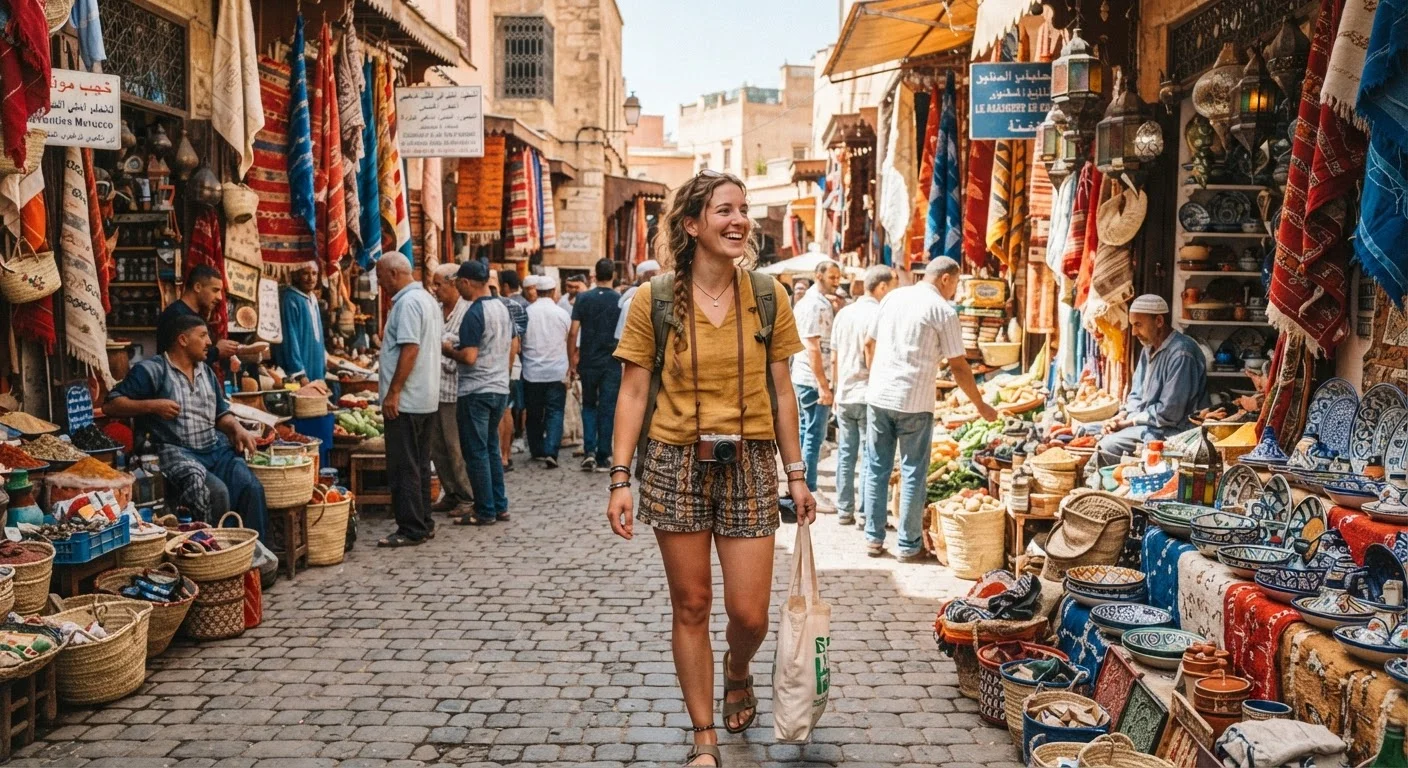
There's also an immersive quality that can come with low-cost choices — local buses, neighborhood guesthouses, and market food put travelers closer to how residents actually live, rather than in a tourist-facing bubble.
$35–$50
Typical daily budget in Southeast Asia on ultra-cheap travel
Figures vary by country and individual habits, but many experienced budget travelers report sustaining daily costs in this range across Thailand, Vietnam, and neighboring countries.
2–3x
Trip length multiplier when halving daily spend
On a fixed total budget, reducing daily spend from $100 to $40–$50 can extend a trip from two weeks to five or six weeks — a significant difference in total experience.
The Genuine Drawbacks You Should Expect
The disadvantages of ultra-cheap travel are equally real and worth naming honestly.
Significant comfort sacrifices are unavoidable
Dormitory sleeping, long overnight buses, and no air conditioning aren't inconveniences for everyone — but they're consistent features of the cheapest tier, not occasional trade-offs.
Time costs are often underestimated
The cheapest transport and routing options frequently add many hours of transit time per leg, which eats into the actual experience of the destination.
Hidden costs can erode savings quickly
A bout of food illness, a missed connection due to unreliable cheap transport, or a lost item in an unsecured dorm can cost more than the original savings justified.
Can be physically and mentally exhausting
Constant optimization — hunting for the cheapest meal, the best-value bus, the next free night — requires sustained mental effort that accumulates over a long trip.
Safety margins are sometimes reduced
The absolute cheapest accommodation and transport occasionally carry security or reliability risks; not all budget options are equal, and research is essential.
Not equally accessible for all travelers
Ultra-cheap travel assumes good health, physical flexibility, and freedom from dependents or schedule constraints — conditions that don't apply equally to every traveler.
Time is often the hidden currency of extreme budget travel. Overnight buses save accommodation costs but consume hours and sleep. Layover-heavy itineraries chosen for lower fares can add a full day of transit. What looks like savings on paper can translate to exhaustion in practice.
Safety is another consideration. While budget travel doesn't have to mean traveling badly, the very cheapest accommodation, transport, and food options occasionally carry risks that mid-range alternatives do not. Travelers should research specific options carefully rather than assuming all budget choices are equivalent.
Where the Trade-Offs Hit Hardest
Not all budget cuts carry equal weight. Food is one area where extreme frugality can backfire — illness from unsafe food handling sets a trip back in time, money, and wellbeing far more than the savings justified. Eating well abroad without draining your daily budget is achievable, but it requires selectivity, not just choosing whatever is cheapest.
Activities are another nuanced area. Many cities offer genuinely worthwhile free and low-cost activities that rival paid alternatives — cutting here rarely diminishes the trip. Accommodation, by contrast, affects sleep quality, security, and your ability to function the next day, making it a higher-stakes cut.
The lesson: apply maximum frugality selectively, not uniformly. Prioritize where savings don't compromise the fundamentals.
Finding Your Actual Comfort Floor
The most sustainable budget isn't the lowest possible — it's the lowest at which you can travel without misery eroding the experience. That number varies significantly by person. Someone with no dietary restrictions, good health, and previous travel experience in developing regions can operate comfortably at a very low daily spend. Someone managing a health condition, traveling solo as a woman in certain regions, or doing this for the first time will likely need more buffer.
If you're new to traveling affordably, budget travel for first-timers walks through the core concepts without pushing you toward any extreme. Start with a realistic floor, then adjust based on experience — rather than starting at the absolute minimum and discovering the hard way where your actual limits are.