The Real Cost of Paid-Only Itineraries
It's easy to assume that a memorable trip requires a long list of paid admissions, guided tours, and ticketed attractions. In reality, the most distinctive experiences in many cities — a riverside walk at sunrise, a Saturday farmers market, a free concert in a public square — cost nothing at all. The challenge isn't whether free experiences exist; it's knowing how to find and evaluate them before you arrive.
For travelers trying to make the most of a limited budget, free and low-cost activities aren't a fallback plan. They're often the highlight. As our guide to common budget travel myths explains, spending less rarely means experiencing less — it usually just means being more intentional. The list below covers the activity types most consistently worth seeking out, wherever your travels take you.
Free museum admission days
Many of America's major museums — and most city art galleries — offer free admission on a recurring day or evening each month. Some federally operated sites, including those run by the Smithsonian Institution, are free every day. Before booking anything, check each museum's website directly for their current free-admission schedule, since hours and eligibility can vary by season or special exhibition.
Public libraries often hold museum passes available for borrowing, which can extend free access to institutions that don't offer their own free days. It's worth calling ahead to confirm availability.
Smithsonian museums are always free — and many city institutions follow with their own recurring free days.
Public parks and green spaces
National parks, state parks, city parks, and waterfront promenades are some of the most underutilized free resources in any travel itinerary. From the High Line in New York to Balboa Park in San Diego, these spaces offer genuine beauty and local atmosphere without any admission cost.
National Park Service sites do charge entry fees at many locations, but an annual America the Beautiful pass provides access to over 2,000 federal recreation sites and can represent strong value for frequent visitors. Note that some activities within parks — guided ranger programs, boat rentals — may carry separate fees. The outdoor activities hub is a useful starting point for exploring parks by activity type.
City parks and waterfront areas offer genuine local atmosphere with no admission cost whatsoever.
Farmers markets and public markets
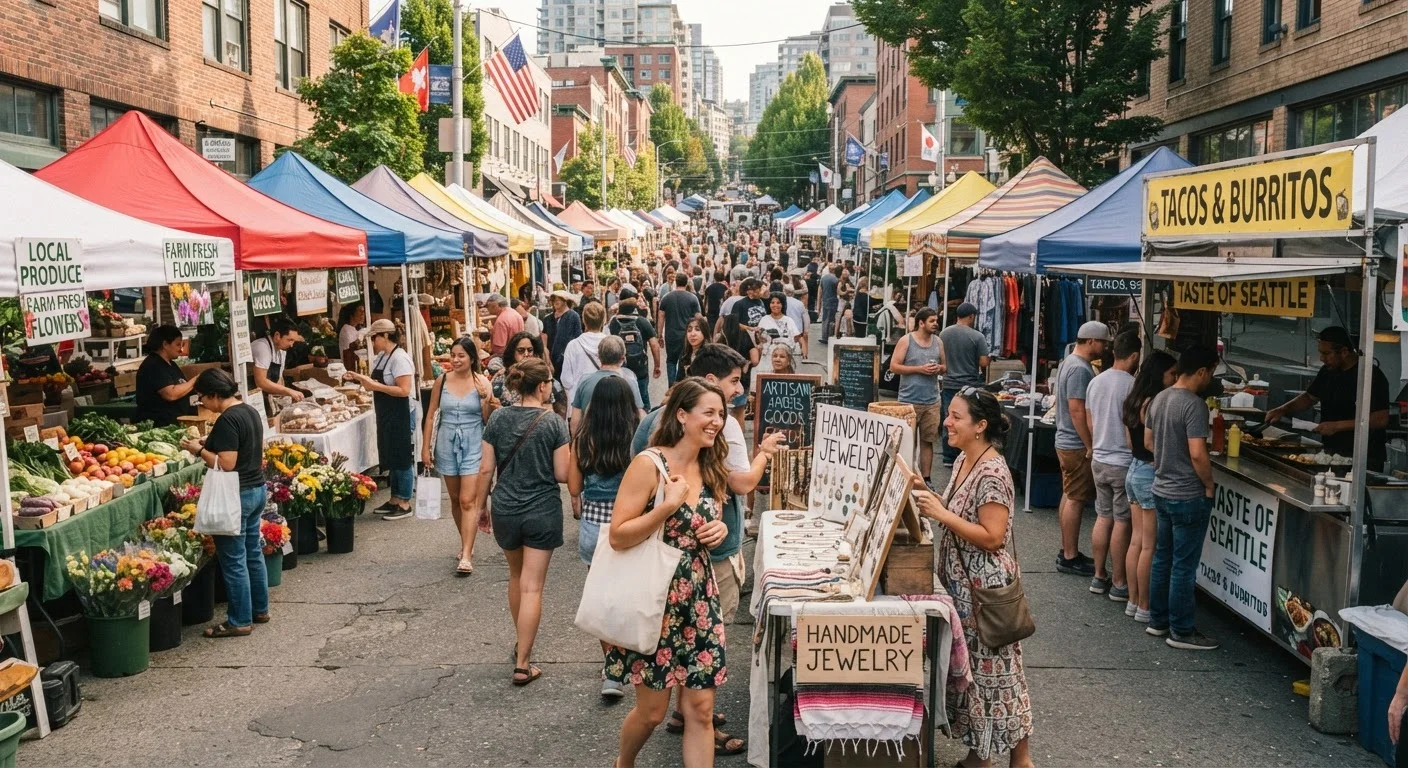
Weekend farmers markets are a consistent feature in American cities, and browsing them costs nothing. They're among the best places to observe local food culture, talk to producers, and get a feel for how residents actually live — far more than any staged attraction. Even if you don't buy anything, the experience is worthwhile.
Covered public markets — the type found in cities like Seattle, Philadelphia, and Milwaukee — often have free entry and house dozens of independent vendors. They're functional neighborhood spaces, not tourist constructs, which is exactly what makes them worth visiting.
Farmers markets are free to browse and offer more authentic local insight than most ticketed attractions.
Free walking tours
Free walking tours operate in most mid-size and large American cities, as well as in destinations worldwide. Guides typically work on a tip-only basis, so participation is accessible to any budget. The quality varies, but in many cities these tours have earned strong reputations precisely because guides are motivated to deliver genuine value.
Look for tours organized through local tourism boards, universities, or nonprofit historical societies — these tend to be more consistent than those booked through third-party aggregator platforms. Tipping generously when a tour is excellent is both fair and encourages the model to continue.
Tip-based walking tours are genuinely free to join and often deliver some of the most memorable city insight.
Local festivals and public events
Cities and towns across the U.S. host hundreds of free public festivals annually — street fairs, cultural celebrations, outdoor film screenings, concert series, and more. Many are organized by local governments or community nonprofits and are intentionally kept free to encourage broad participation.
The key is timing. A city's official events calendar, typically maintained by its parks department or tourism office, is the most reliable source. Booking accommodation around a free festival can turn an ordinary weekend trip into something genuinely memorable at minimal extra cost. Seasonal outdoor activities vary widely by region, so checking what's happening locally by time of year pays off.
Timing a visit around a free local festival can transform an ordinary trip into a standout experience.
Library programs and cultural centers
Public libraries are consistently overlooked by travelers, yet they frequently host free author readings, film screenings, language exchange meetups, and art exhibitions. Many cities also have free cultural centers tied to specific communities — these can provide some of the most authentic and nuanced insight into local life available anywhere.
Visitors typically don't need a local library card to attend public events. Checking the events page of a destination city's main public library branch before you travel takes minutes and occasionally reveals something genuinely unusual.
Public library event calendars are one of the most underused planning tools in any traveler's toolkit.
Getting the Most Out of No-Cost Experiences
Finding free activities is only half the equation. Vetting them matters just as much. A quick check on a city's official tourism or parks department website, a scan of community event boards (libraries often maintain excellent ones), and a look at neighborhood Facebook groups or local Reddit threads can surface genuinely worthwhile events that aggregator apps miss entirely.
Check official city calendars first
Before relying on travel apps or tourism aggregators, go directly to a city's official parks department or tourism bureau website. These sources list recurring free events, seasonal programs, and admission-free days that third-party platforms frequently miss or misdate. Spending 15 minutes on official sources before departure can fill an entire day's itinerary at no cost.
Pair free daytime activities with affordable food choices and your daily travel spend can drop dramatically without touching the quality of your experience. Our piece on eating well without draining your budget covers exactly that side of the equation. And if you're building a broader strategy, the end-to-end budget travel guide ties all the pieces together from planning through to the journey home.