What Budget Travel Actually Means
Budget travel doesn't mean sleeping on bus station floors or eating instant noodles for two weeks. At its core, it means making deliberate choices about where your money goes so you can travel more often, for longer, or to places you'd otherwise assume were out of reach.
For first-timers, the most important reframe is this: budget travel is a set of skills, not a personality type. Anyone can learn to plan trips that are both affordable and genuinely enjoyable. The learning curve is shallow — most of it comes down to a handful of decisions made before you ever leave home.
It also helps to know what you're optimizing for. Some people want to spend as little as humanly possible. Others want to spend less than they currently do while keeping some comfort intact. Both are valid goals, and the strategies below work for either. For a balanced look at the real trade-offs involved in cutting costs aggressively, see The Trade-Offs of Traveling Ultra-Cheap.
Shoulder season
The period just before or after a destination's peak tourist season. Prices for flights and hotels are often noticeably lower, and crowds are thinner, while weather is usually still reasonable.
Daily travel budget
A per-day spending target that covers accommodation, food, local transport, and activities. Setting one before your trip helps you monitor whether you're on track without obsessing over every purchase.
Travel buffer
An extra amount — typically 10–15% of your total estimated trip cost — set aside to absorb unexpected expenses like medical costs, transport delays, or price increases.
Foreign transaction fee
A fee charged by some banks or card issuers each time you make a purchase in a foreign currency, usually 1–3% of the transaction. It can add up significantly over a longer international trip.
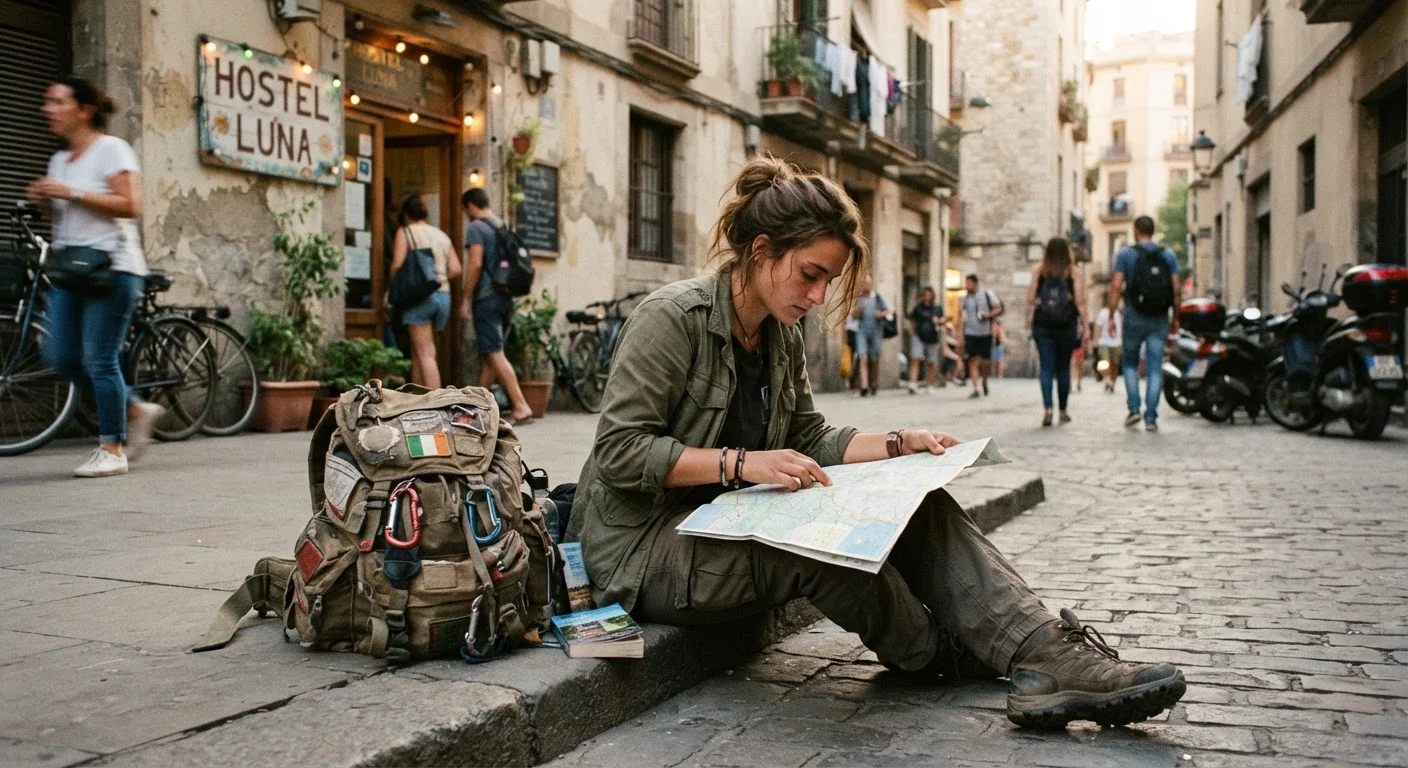
Hostel
A type of budget accommodation that typically offers dormitory-style shared rooms alongside common areas. Many also offer private rooms at rates lower than standard hotels.
Vacation rental
A privately owned property — apartment, house, or room — rented out to travelers, often through an online platform. These can offer more space and kitchen access, which helps reduce food costs.
Setting a Realistic Travel Budget
Before you search for flights or browse accommodation, you need a number. A travel budget built on guesswork tends to fall apart in the first 48 hours of a trip.
Start by researching the average daily cost for your destination. Travel forums, destination-specific blogs, and government tourism sites often publish realistic spending ranges for budget travelers — covering accommodation, food, local transport, and basic activities. Once you have a rough daily figure, multiply it by your trip length and add estimated costs for flights, any required visas, and travel insurance.
From there, work backward: can your savings cover it? If not, how much time do you need to save the gap? The Budgeting Basics hub is a useful starting point if you're not already tracking your income and expenses — knowing those numbers makes a savings goal far easier to set. You might also find it helpful to read about building a consistent savings habit before your first booking.
Build in a buffer of roughly 10–15% for unexpected costs. This isn't pessimism — it's the single habit that separates travelers who enjoy their trips from those who stress through them.
Where First-Timers Save the Most
Flights and accommodation typically account for 50–70% of total trip spend. That's where focused effort pays off most.
Flights
Flexibility is your most powerful lever. If you can travel mid-week, shift your dates by a few days, or choose a shoulder-season window (the weeks just before or after peak tourist season), you'll routinely see lower fares. Booking well in advance — generally one to three months for domestic, three to six months for international — reduces the risk of paying peak prices. Always factor in baggage fees before assuming a lower base fare is actually cheaper.
Accommodation
Beyond traditional hotels, first-timers have more options than ever: hostels with private rooms, guesthouses, vacation rentals, and home-sharing platforms all serve the budget end of the market. The First-Time Hotel Booker's Handbook walks through how to search and compare accommodation effectively, even if you've never booked independently before.
Food and Getting Around
Eating at local markets, food halls, and neighborhood restaurants — rather than tourist-district spots — dramatically cuts daily food costs without sacrificing quality. For transportation within your destination, using public transit smartly is one of the highest-return skills a budget traveler can develop.
Habits That Make Budget Travel Sustainable
One affordable trip is a win. A consistent pattern of affordable trips is a lifestyle — and it's built on a few repeatable habits.
Track What You Actually Spend Each Day
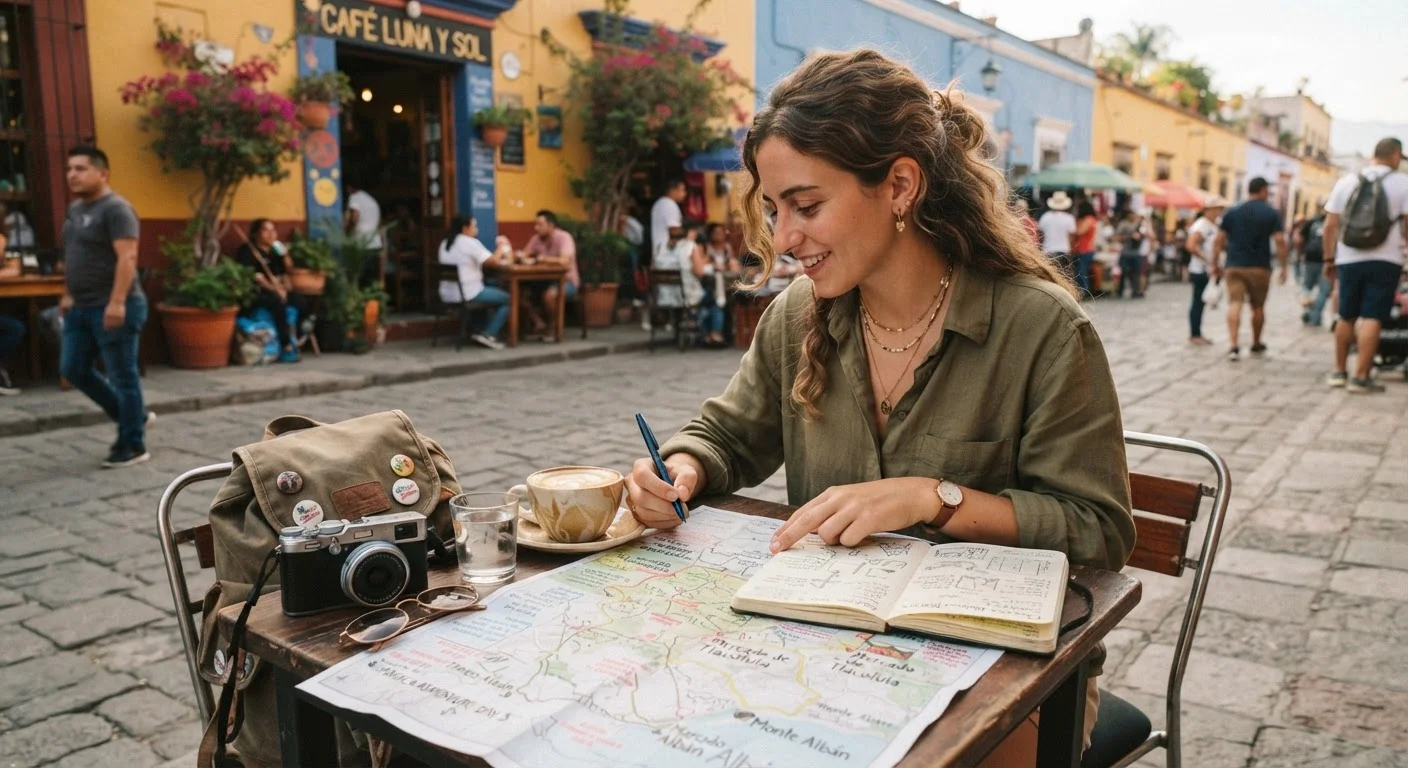
Most first-time budget travelers underestimate daily costs not because they overspend on big items, but because small purchases go untracked. Even a rough daily tally — food, transit, entry fees, incidentals — gives you a clear picture within the first two days of a trip. If you're running ahead of budget early, it's far easier to adjust than to recover at the end.
- Track spending in real time. A simple notes app or basic spreadsheet updated each evening takes two minutes and keeps overruns visible before they compound.
- Separate your travel fund. Keeping travel savings in a dedicated account — separate from your everyday spending — makes the goal tangible and reduces the temptation to dip in. The principle behind paying yourself first applies directly here.
- Research free and low-cost activities. Most destinations have parks, free museum days, walking tours, public beaches, and cultural events that cost little or nothing. Identify these before you leave so you're not making expensive default choices on arrival.
- Use a no-foreign-transaction-fee card. If you're traveling internationally, foreign transaction fees (typically 1–3% per purchase) add up invisibly. Many checking accounts and travel-oriented cards waive these — check your current card's terms before you go.
For a fuller end-to-end view of spending less at every stage of a trip, Stretching a Travel Budget from Start to Finish covers the complete picture in detail.
What to Do Next
The best next step is to pick one trip — even a short domestic one — and apply the framework above. Choose a destination, research daily costs, set a total budget with a buffer, and identify two or three specific ways you'll save on that trip. Execution teaches you more than any amount of preparation.
Before you depart, run through the Budget Traveler's Pre-Trip Checklist to make sure you haven't left savings on the table or overlooked something that could cost you later. And if you're still building your independent travel planning skills from the ground up, Trip Planning from Scratch is a solid complement to everything covered here.
Budget travel rewards preparation and curiosity in roughly equal measure. Start small, stay organized, and the skills compound quickly.
This article provides general travel information for educational purposes. Prices, availability, entry requirements, and travel conditions change frequently — always verify current details with official sources and relevant service providers before booking or traveling.