
The Problem With Saving Last
Most people approach their paycheck with good intentions: pay the bills, cover necessities, enjoy a little, and save the rest. The problem is that 'the rest' almost never materializes. Lifestyle spending expands naturally to fill available income — economists call this phenomenon consumption smoothing, and it is remarkably predictable across income levels.
According to Federal Reserve survey data, a significant share of American adults report they would struggle to cover an unexpected $400 expense from savings alone. This is not primarily an income problem — it is a sequencing problem. When saving comes last, it is perpetually vulnerable to being bumped by the next unplanned cost.
The pay-yourself-first method addresses the root cause: it removes savings from the competition entirely by moving the money before you ever see it in your spending account. If you are starting from scratch, our guide on building a savings habit from zero covers the mindset shifts that make this approach stick.
How the Method Actually Works
The mechanics are straightforward. When your paycheck arrives — or ideally before it does — a predetermined amount moves directly into a savings or retirement account. Only what remains flows into the checking account you use for everyday expenses.
~37%
Adults who couldn't cover a $400 emergency in cash
Federal Reserve Report on the Economic Well-Being of U.S. Households has consistently found a large share of Americans lack a basic cash buffer, underscoring the sequencing problem pay-yourself-first addresses.
15%+
Recommended savings rate (retirement + emergency)
Many financial planning guidelines suggest saving 15% or more of gross income for retirement alone, a target that is far easier to hit when savings are automated from the start.
10–20%
Typical starting target for pay-yourself-first
Financial educators commonly recommend beginning with 10–20% of take-home pay as a practical pay-yourself-first target, scaling up as income grows or debts are paid off.
There are two common implementation paths:
- Payroll deductions: Contributing to a workplace retirement plan like a 401(k) is the most seamless version. The contribution never touches your take-home pay, so you adjust your spending to the net figure automatically.
- Automatic transfers: If payroll deductions aren't available, you can schedule an automatic bank transfer on payday so savings move before you can spend them. Our article on automating your savings walks through the setup process in detail.
Either approach works — the automation is the critical ingredient. Manual transfers rely on willpower every single pay period, which is a losing battle for most people over time.
Why It Works: The Psychology Behind It
Pay yourself first succeeds partly because it works with human psychology rather than against it. Behavioral economists have documented that people tend to adapt their spending to whatever income appears available — a concept known as mental accounting. By reducing the visible 'available' balance before spending begins, the method naturally compresses discretionary expenses without requiring constant willpower.
This same principle explains why 401(k) auto-enrollment — where employees are opted in by default — has dramatically increased retirement savings participation rates in workplaces that adopted it. When the default is to save, most people save. When the default is to spend, most people spend.
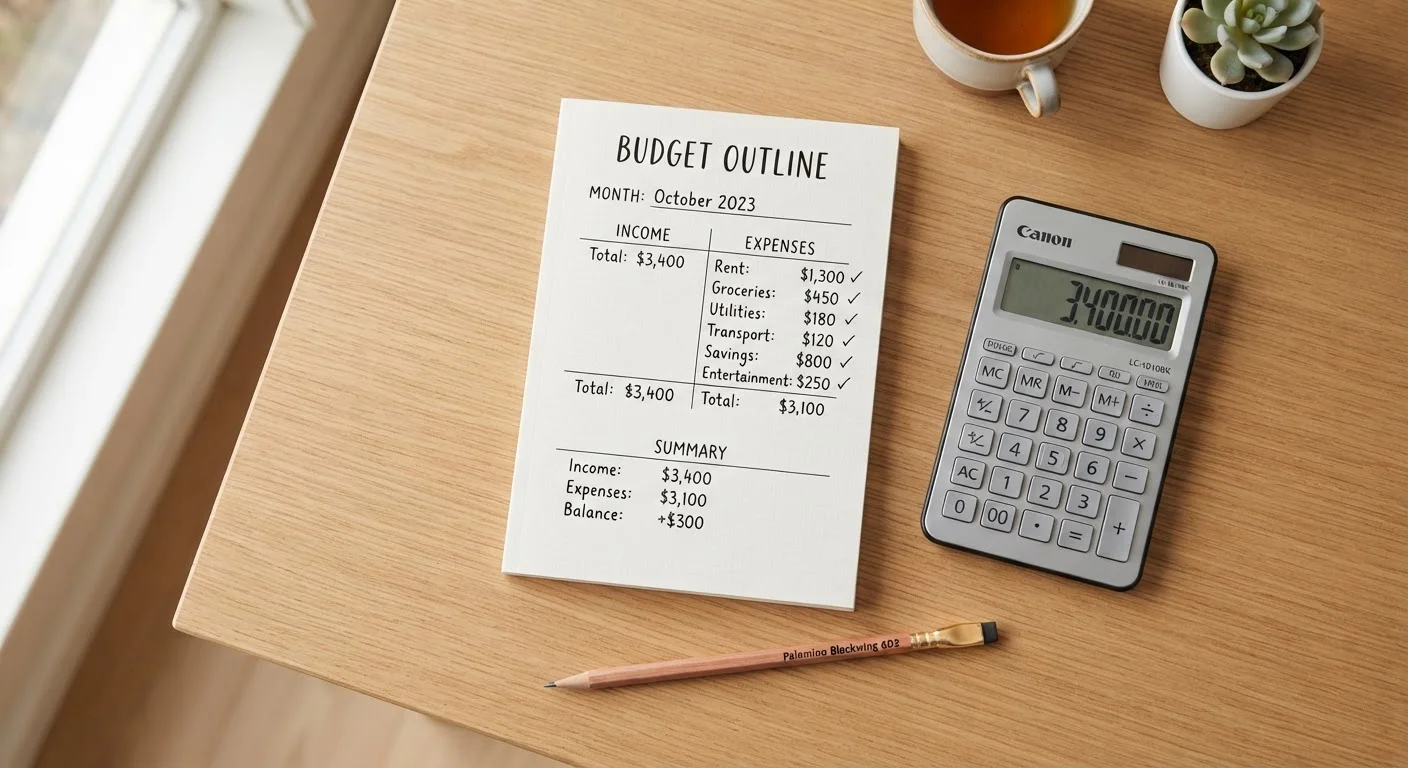
It also pairs cleanly with established budgeting frameworks. Under the popular 50/30/20 rule, 20% of after-tax income is earmarked for savings and debt repayment. Pay yourself first is simply the mechanism that ensures that 20% actually gets set aside rather than absorbed by the other 80%. If you are new to structured budgeting overall, building your first personal budget is a logical companion step.
Getting Started Without Overwhelming Yourself
The most common mistake is trying to save too much too fast. A savings rate that squeezes your budget to the breaking point will likely be abandoned within a month. Instead, follow a gradual ramp:
- Start small: Even 1–3% of take-home pay is a meaningful first step. The habit matters more than the amount initially.
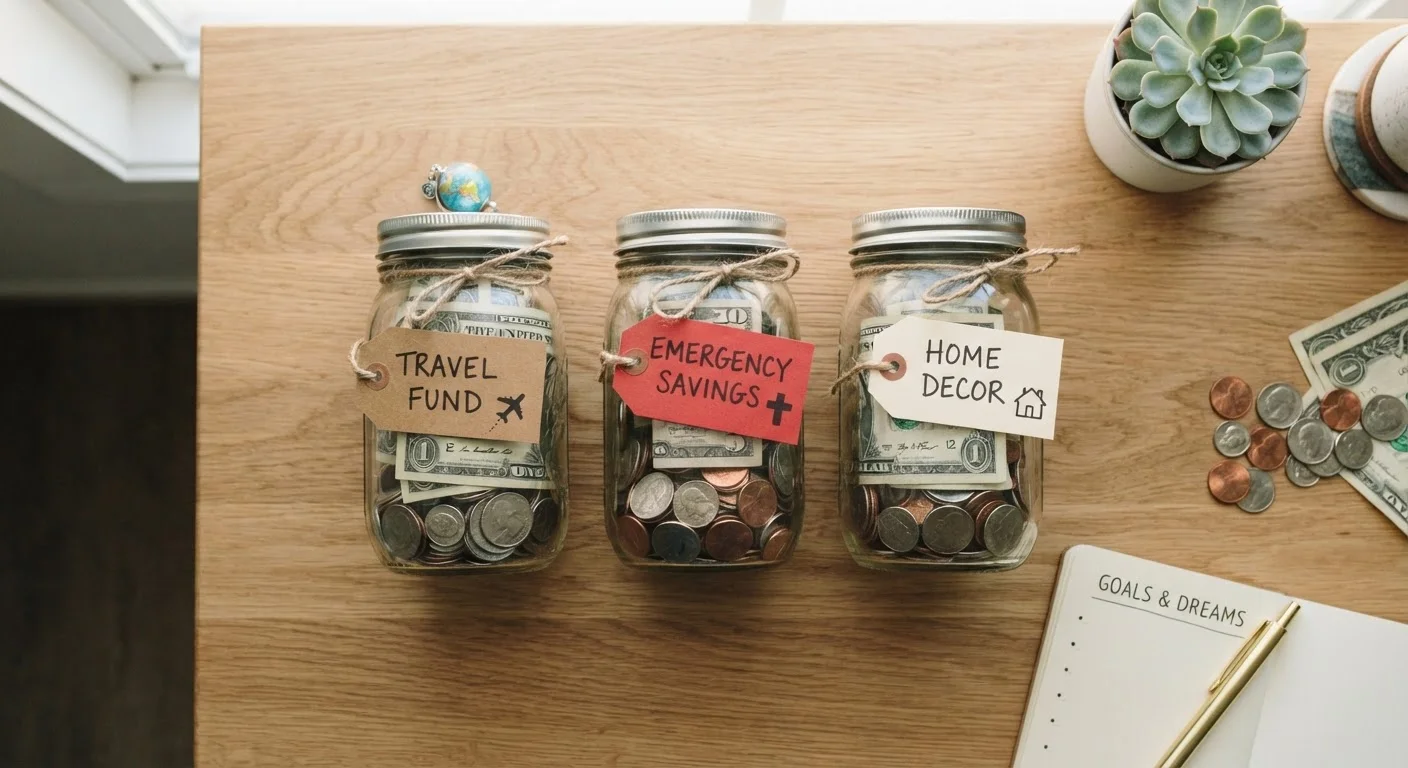
- Keep savings separate: Open a dedicated savings account that is not linked to your debit card. Out of sight, out of mind is a feature, not a bug. See our piece on keeping savings in dedicated accounts for guidance on structuring this.
- Increase incrementally: Each time you receive a raise or eliminate a recurring expense, redirect a portion of that freed-up cash to your savings rate before the rest gets absorbed into lifestyle spending.
Over time, this approach builds financial resilience without requiring dramatic lifestyle changes — just a deliberate shift in what gets paid first.
This article is for general informational and educational purposes only and does not constitute personalized financial, investment, or tax advice. Please consult a qualified financial adviser or other licensed professional regarding decisions specific to your circumstances.