The Chemistry Behind Every Charge
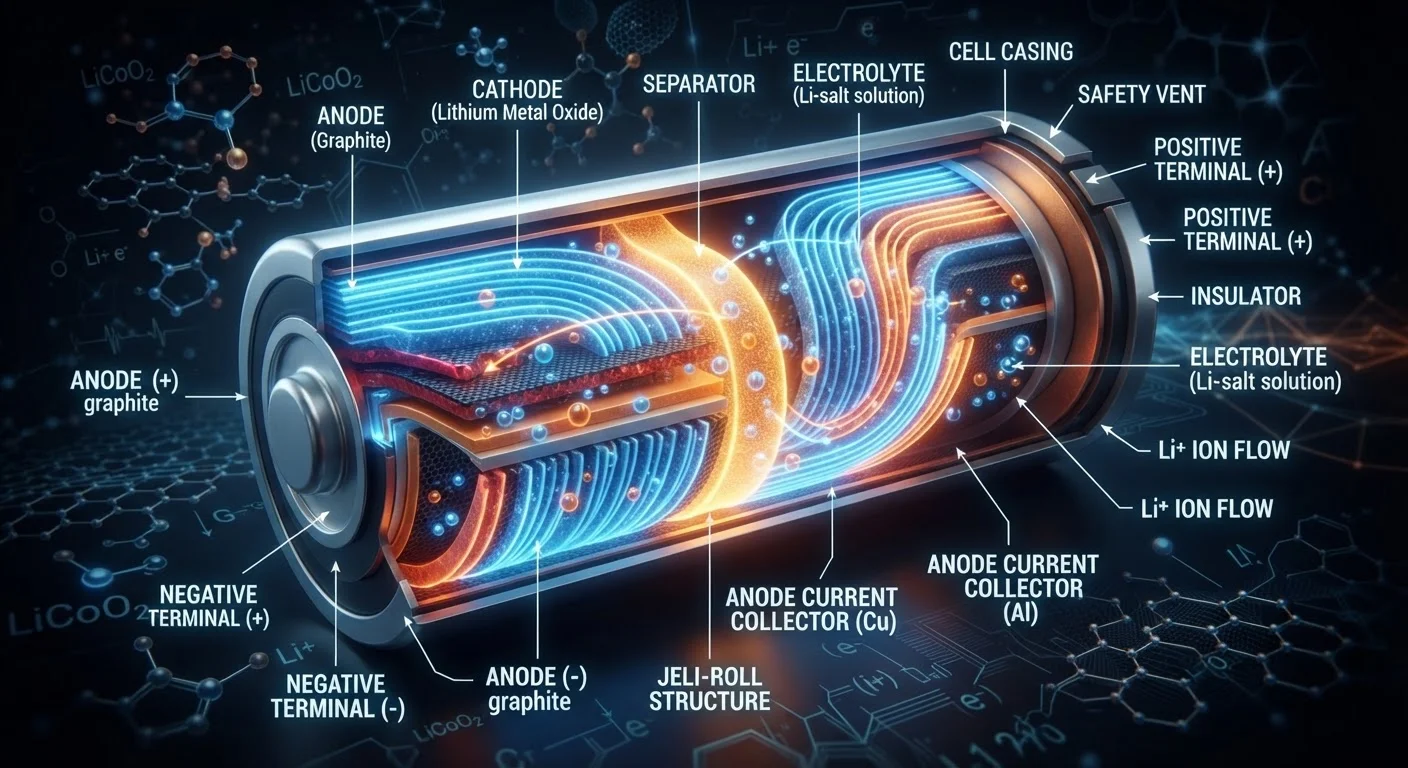
Your smartphone battery is a lithium-ion cell. Inside it, two electrodes — an anode (usually graphite) and a cathode (typically a lithium metal oxide) — sit separated by a liquid or gel electrolyte. When you charge the phone, lithium ions travel from the cathode through the electrolyte and lodge into the anode. When you use the phone, they travel back. This back-and-forth movement is what powers your device.
The problem is that this process is not perfectly reversible. Each cycle leaves behind microscopic changes: a thin film called the solid electrolyte interphase (SEI) builds up on the anode, trapping some lithium ions permanently. The cathode structure also degrades slightly with repeated ion movement. Over hundreds of cycles, fewer ions are available to shuttle between electrodes — and that directly translates to lower battery capacity.
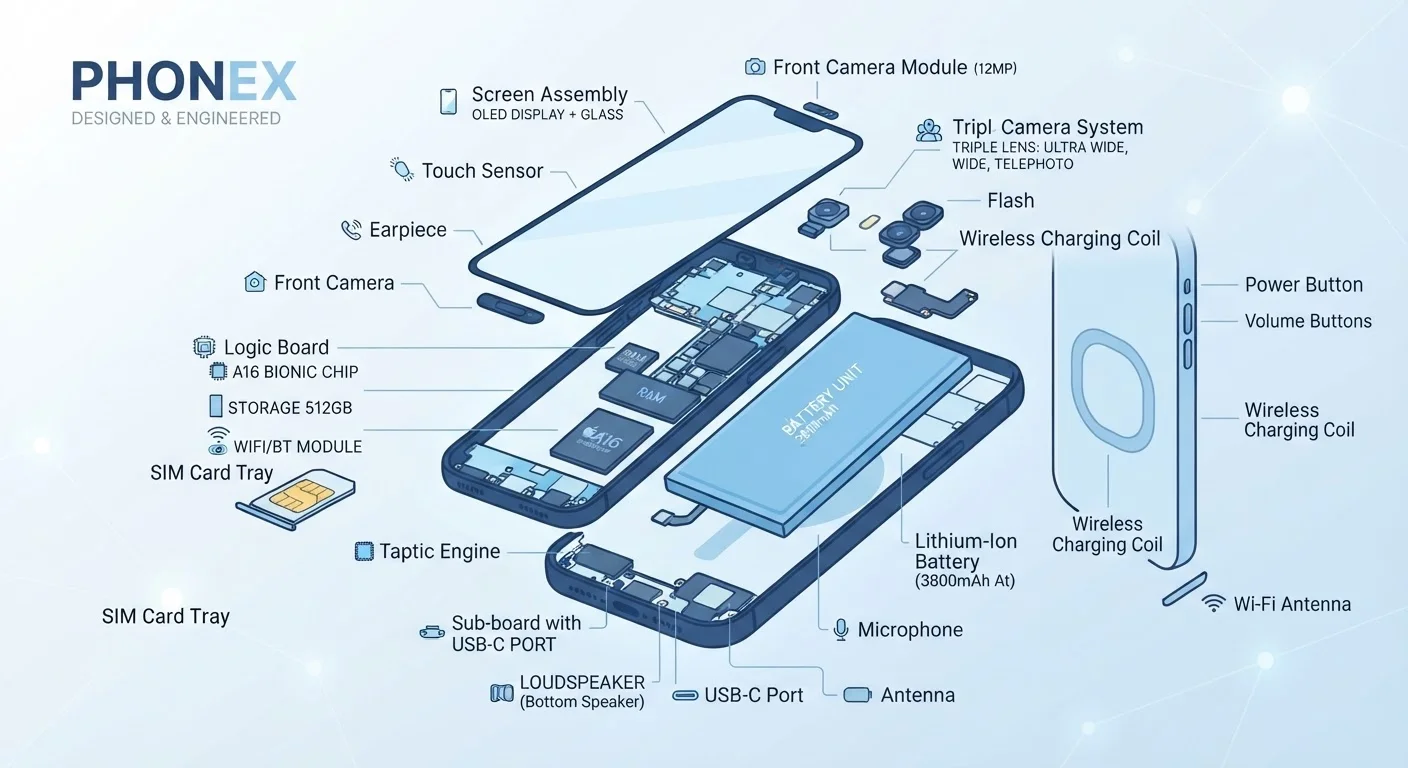
See our plain-English hardware tour for a broader look at how each internal component works together.
Heat: The Biggest Enemy Your Battery Has
If there is one factor that accelerates battery degradation faster than anything else, it is heat. Elevated temperatures speed up the unwanted chemical side reactions inside the cell — the same reactions that build up that ion-trapping SEI layer and break down the electrolyte over time.
~20%
Typical capacity loss after 500 full cycles
Lithium-ion batteries are generally rated to retain around 80% of original capacity at the 500-cycle mark under standard conditions, though heat and charging habits can accelerate this.
25°C
Optimal storage temperature for lithium-ion cells
Battery researchers generally cite room temperature (approximately 25°C / 77°F) as the optimal operating and storage range for minimizing chemical degradation.
2×
Faster degradation at elevated temperatures
Research in electrochemistry indicates that sustained high temperatures can roughly double the rate of lithium-ion capacity loss compared to operation at room temperature.
Common heat sources that affect your battery include leaving your phone in direct sunlight, using it heavily while charging, placing it on a wireless charging pad for hours, and storing it in a hot car. Even a consistently warm pocket or a thick case that traps heat during intensive tasks contributes.
This is why the charging habits that quietly shorten battery life matter so much: it is rarely about how often you plug in, but rather how much heat builds up in the process.
Charge Levels, Cycles, and What Actually Stresses the Cell
Lithium-ion chemistry is happiest in the middle of its range. Keeping a battery at very high charge (near 100%) or very low charge (near 0%) for extended periods creates what engineers call electrochemical stress — it strains the crystal structure of the electrodes and speeds up degradation.
A full charge cycle is counted as the equivalent of 100% of the battery's capacity used, whether that happens in one go or across several partial charges. Partial charges are not harmful in themselves — in fact, they can be gentler than full deep-discharge cycles. The practical takeaway: plugging in when you hit 20–30% and unplugging around 80% is genuinely easier on the battery than daily full charges from 0% to 100%.
It is also worth noting that some widely held beliefs about battery care turn out to be outdated. The myths about smartphone performance article addresses several of these — including ideas inherited from older nickel-cadmium batteries that simply do not apply to modern lithium-ion cells.
Slowing Degradation: Practical Habits That Help
You cannot stop battery degradation entirely — it is a fundamental property of lithium-ion chemistry. But you can meaningfully slow it with a few consistent habits.
- Avoid extreme temperatures. Do not leave your phone in a hot car or in direct sunlight for long periods.
- Charge in moderate ranges. Targeting 20%–80% as your routine charge window reduces electrode stress.
- Use fast charging selectively. Reserve maximum-speed charging for when you genuinely need it rather than every session.
- Remove thick cases during heavy charging. Cases that trap heat during long charging sessions create unnecessary thermal stress.
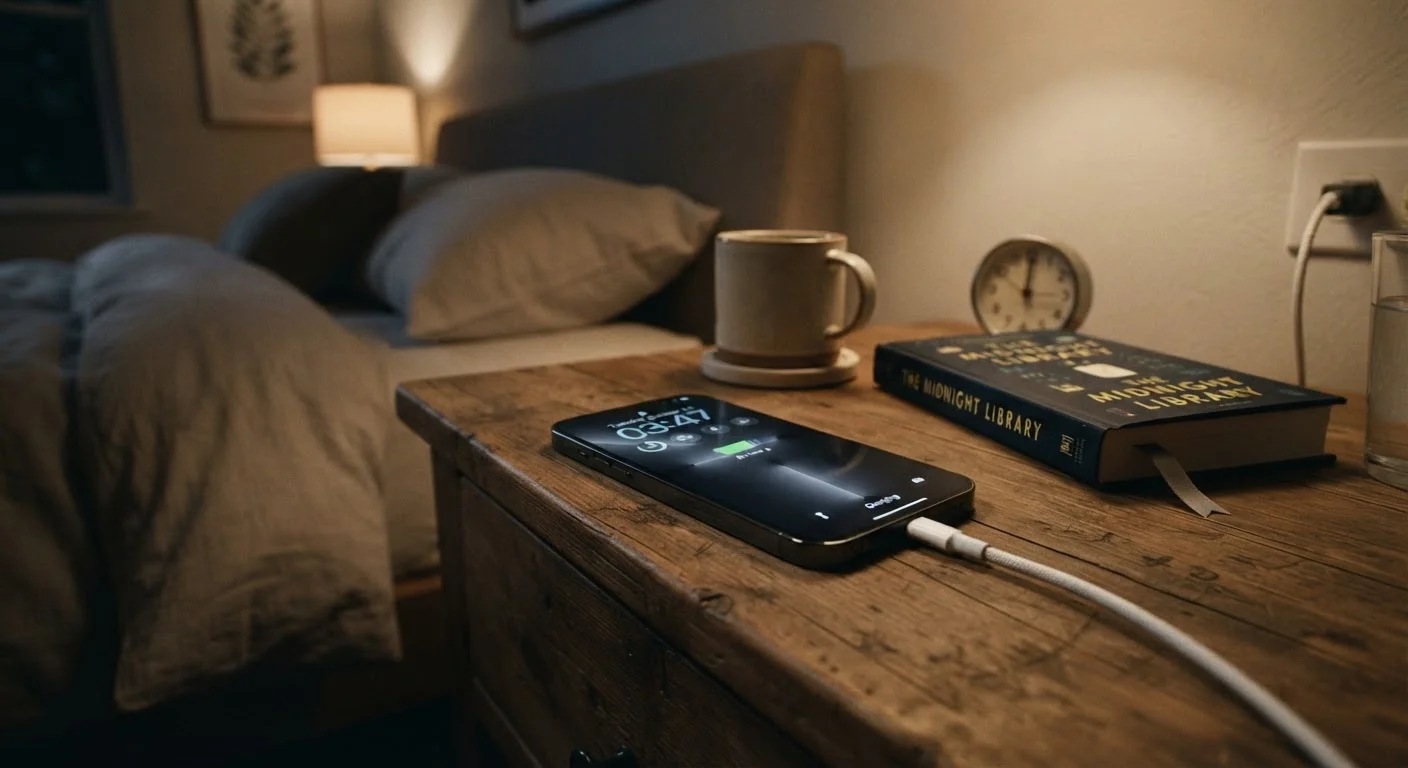
- Use optimized charging features. Many modern smartphones include settings that learn your routine and slow the final portion of overnight charging to reduce time spent at 100%.
Battery health directly affects how long your phone remains practically useful — a consideration that connects closely to how long your phone receives software support. A phone with a failing battery often becomes difficult to use well before its hardware is truly obsolete.