Why Spec Sheets Are Built to Impress, Not Inform
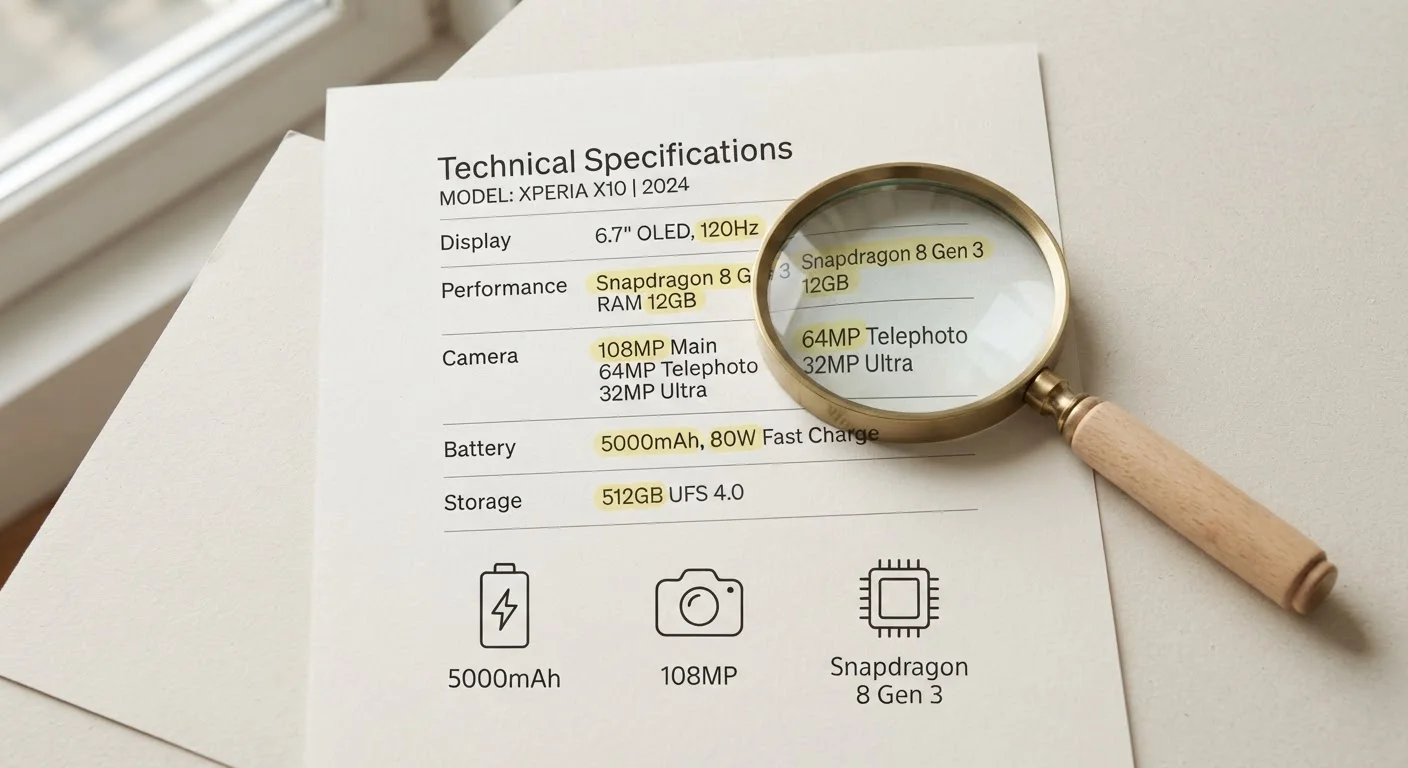
Every number on a product spec sheet was chosen by a marketing team. That doesn't make the figures false — it means they were selected because they compare favorably and are easy to understand at a glance. Manufacturers highlight what makes their product look compelling next to competitors; they rarely volunteer context that complicates the picture.
Understanding this dynamic is the foundation of smarter hardware evaluation. The goal isn't cynicism — it's knowing which numbers require deeper investigation and which can be accepted at face value. For a broader look at how this plays out on smartphone listings specifically, see our field guide to smartphone specs.
Specs Are Marketing Tools First
Spec sheets exist to sell products, not to give you a complete picture of real-world performance. Manufacturers are not required to contextualize figures or disclose testing conditions unless regulations demand it. Always cross-reference spec numbers with independent benchmark tests and user reviews before drawing conclusions about how a device will actually perform in your hands.
The Most Misleading Specs — and What to Look for Instead
The mistakes below represent the most common ways spec-sheet thinking leads buyers astray. Each involves a figure that is technically accurate but meaningfully incomplete without additional context.
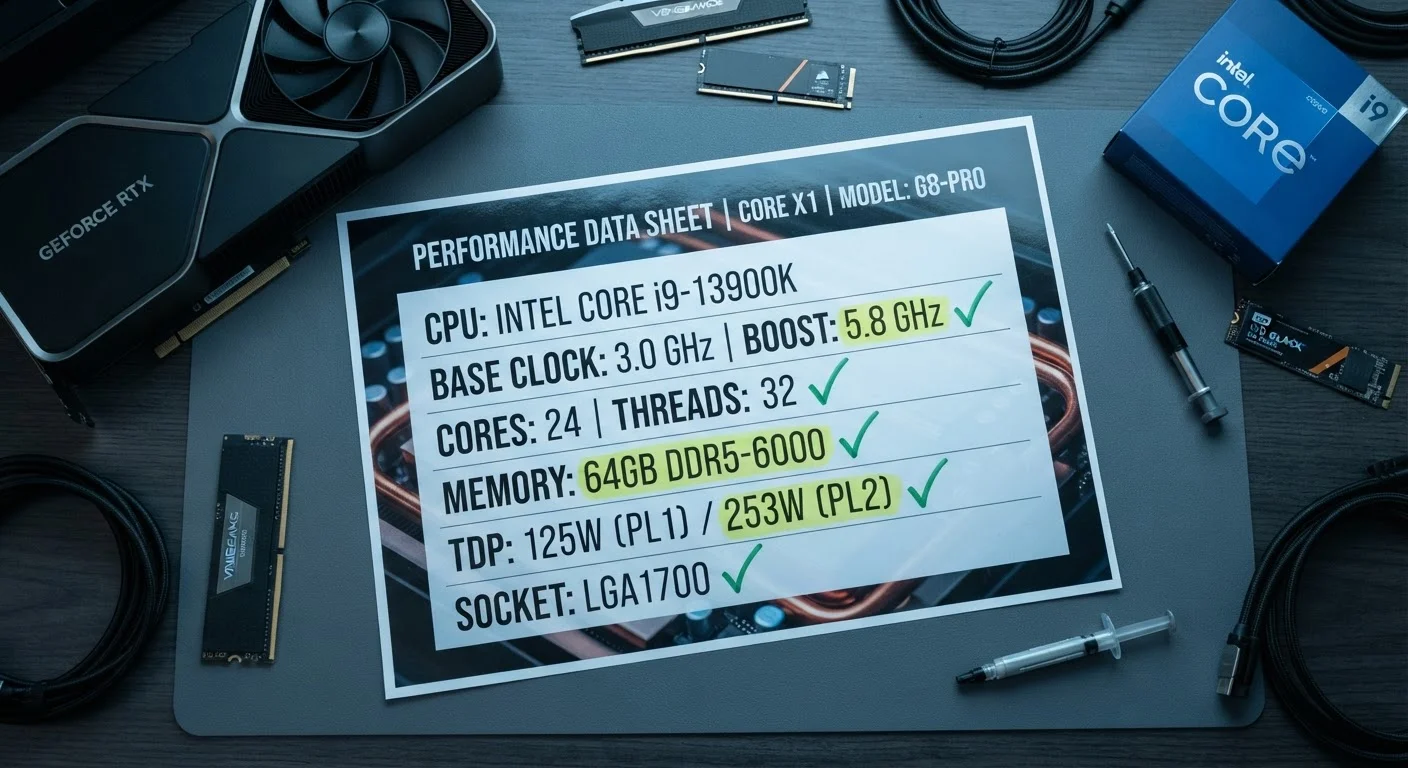
Treating clock speed (GHz) as the primary measure of processor performance.
Why it happens: Gigahertz is a single, easy-to-compare number, and higher has historically suggested faster. Marketers lean into this familiarity even when it no longer reflects how modern processors actually work.
Choosing a device based on peak display resolution without considering panel quality.
Why it happens: Resolution — 4K, QHD, 1080p — is easy to understand and sounds straightforwardly better when the number is larger. Panel type, color gamut, peak brightness, and response time are invisible on the spec sheet headline.
Taking manufacturer battery life estimates at face value.
Why it happens: Battery life claims are prominently featured in marketing because they directly address a universal pain point. The testing methodology — often a looping video at low brightness with connectivity off — rarely matches how people actually use devices.
Equating storage capacity in gigabytes or terabytes with storage performance.
Why it happens: Capacity is the most intuitive storage number — more space means more files — so it dominates the spec listing. Drive speed (measured in MB/s read/write) is buried or omitted entirely despite directly affecting how fast apps launch and files transfer.
Assuming more RAM is always better without considering type and speed.
Why it happens: RAM capacity is marketed as a straightforward performance lever, and doubling it sounds like doubling speed. The relationship is more nuanced — beyond a workload-specific threshold, additional capacity adds little, while RAM generation and bandwidth matter more.
Thinking through form factor also matters here — a high-spec laptop and desktop with identical paper numbers often perform quite differently in practice. Our piece on desktop vs. laptop performance trade-offs explains why thermal limits and power budgets change everything.
Lab Conditions vs. Real-World Use
Nearly every performance figure on a spec sheet — battery life, display brightness, processing speed — is measured under conditions optimized to produce the best possible number. Brightness may be tested at minimum screen refresh rate; battery life may be tested with Wi-Fi off and the display dimmed. Treat these figures as upper bounds, not reliable predictions of your daily experience.
How to Evaluate Hardware Beyond the Spec Sheet
The most reliable strategy is to treat the spec sheet as an initial filter, not a final verdict. Use it to eliminate obvious mismatches — a device with 8 GB of RAM isn't suitable for video editing workflows — then move to independent sources for real performance data.
- Seek benchmark comparisons from publications that test devices under consistent, documented conditions.
- Read long-term reviews that address thermal throttling, software updates, and durability — factors invisible at launch.
- Match specs to your actual workload, not the most demanding scenario a device could theoretically handle.
- Check upgrade paths: soldered RAM and proprietary storage formats can make a capable device today a costly limitation tomorrow.
Specs only tell you what a device can do under ideal conditions. Independent testing, user feedback, and a clear picture of your own usage patterns tell you what it will do for you.