What Credit Actually Is
Credit is a financial arrangement in which a lender provides money, goods, or services now in exchange for your promise to repay later — typically with interest. It's not inherently good or bad; it's a tool. Used deliberately, credit can help you purchase a home, weather a financial emergency, or smooth out irregular income. Mismanaged, it compounds financial stress through mounting interest and damaged borrowing power.
At its core, every credit relationship involves three elements: the principal (the amount borrowed), the interest rate (the lender's fee for extending credit), and the repayment terms (when and how you pay it back). Understanding how these interact across different debt types is foundational to every smart borrowing decision you'll ever make.
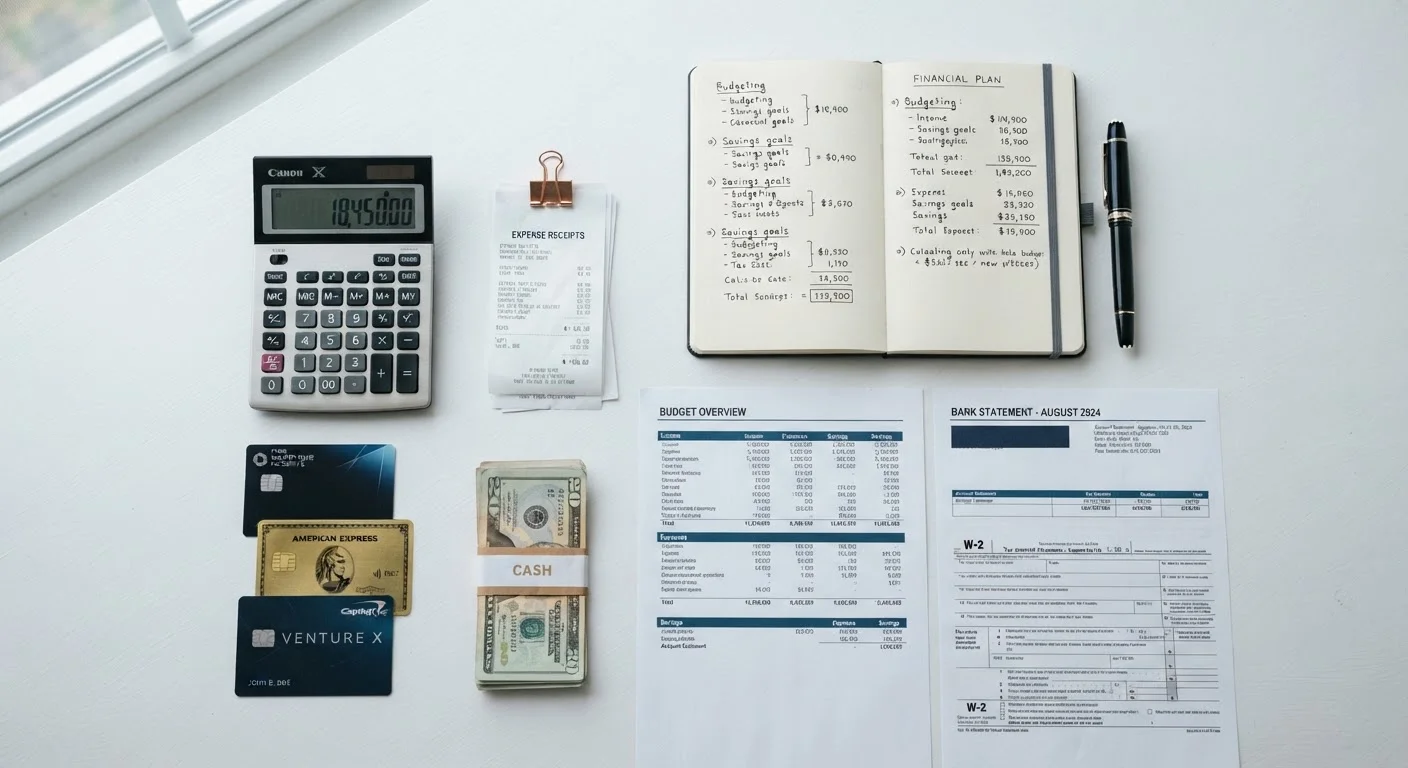
Your broader financial habits — tracked in a personal budget — directly influence how much credit you need and whether you can service debt without strain.
How Credit Scores Work
In the United States, the FICO score is the most widely used credit scoring model, ranging from 300 to 850. Lenders use it to estimate the likelihood you'll repay a debt on time. The score is calculated from five weighted components:
- Payment history (35%): Whether you've paid past accounts on time — the single most influential factor.
- Amounts owed (30%): How much of your available credit you're using, known as your credit utilization ratio.
- Length of credit history (15%): How long your accounts have been open.
- Credit mix (10%): Whether you have experience managing different types of credit.
- New credit (10%): Recent applications, each of which triggers a hard inquiry.
A score above 670 is generally considered "good" by FICO standards; above 740 typically qualifies for the most competitive rates. Your credit utilization ratio deserves particular attention — most financial guidance suggests keeping it below 30% of your total available credit.
Never close your oldest credit card simply because you don't use it — the account's age and available credit both support your score. Instead, make a small recurring charge and set it to autopay.
Length of credit history accounts for 15% of your FICO score, and closing an old account reduces both average account age and total available credit, which raises your utilization ratio.
When rate-shopping for a mortgage or auto loan, submit all applications within a 14–45 day window. Credit scoring models treat multiple inquiries for the same loan type within that period as a single inquiry.
FICO's deduplication window for mortgage, auto, and student loan inquiries protects consumers who shop for the best rate — a practice lenders expect and scoring models accommodate.
Types of Debt You'll Encounter
Not all debt is structured the same way. Two of the most important distinctions are between secured and unsecured debt, and between revolving and installment credit.
Secured vs. unsecured debt: A secured debt is backed by collateral — an asset the lender can claim if you default. Mortgages and auto loans are classic examples. Unsecured debt, such as credit cards and personal loans, carries no collateral, which is why lenders charge higher interest rates to offset their risk. Learn more in our detailed look at secured vs. unsecured debt.
Revolving vs. installment credit: Revolving credit (like a credit card) gives you a credit limit you can borrow against repeatedly as you repay. Installment credit (like a mortgage or student loan) provides a lump sum repaid in fixed payments over a set term. Each type affects your credit profile differently — explore how they compare before deciding which structure fits your needs.
Interest Rates and the True Cost of Borrowing
The annual percentage rate (APR) represents the yearly cost of borrowing, including interest and certain fees. It's the most apples-to-apples comparison tool when evaluating credit offers. But APR alone doesn't tell the full story — the loan term matters enormously.
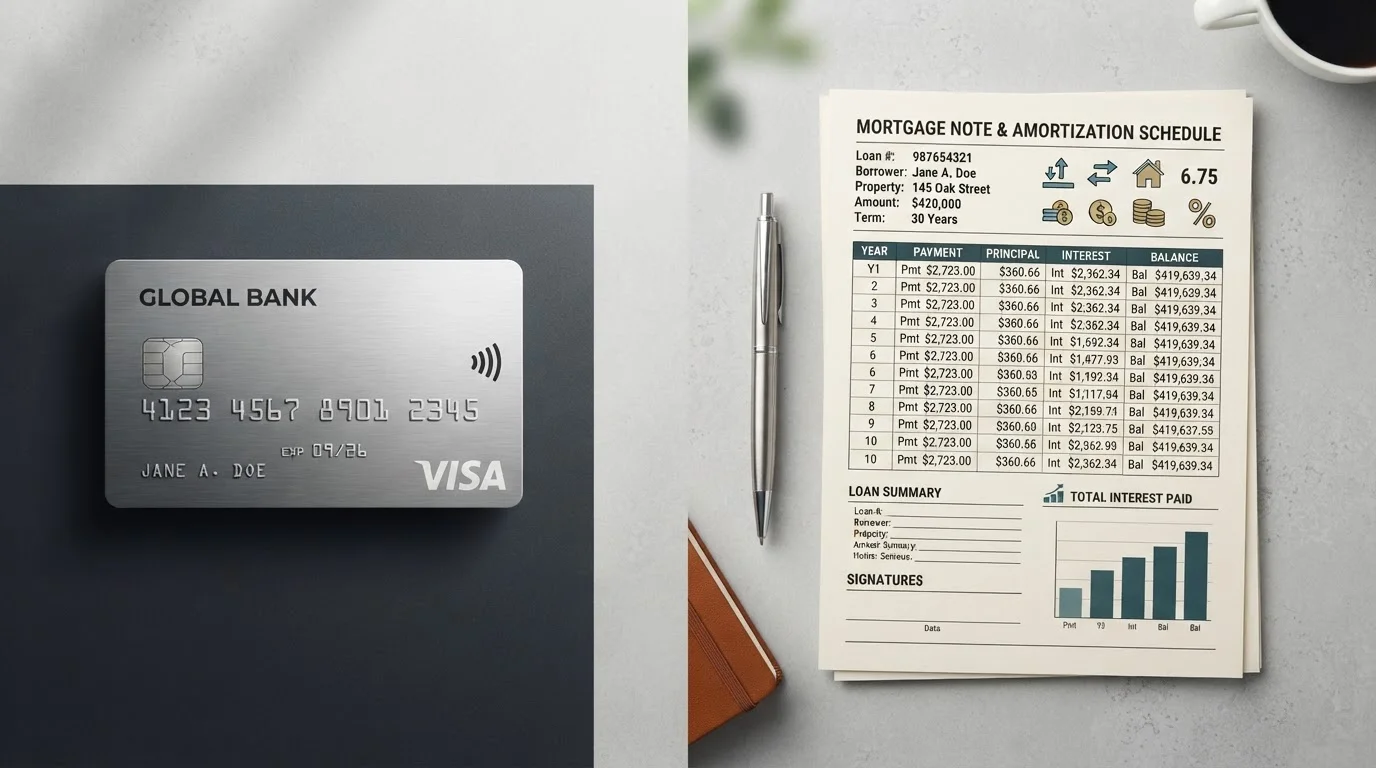
Consider a $10,000 personal loan at 12% APR. Over 24 months, you'd pay roughly $1,300 in interest. Stretch that to 60 months and the interest nearly triples to about $3,300, even though the rate is identical. Longer terms lower monthly payments but significantly increase the total cost of borrowing.
For credit cards, the stakes are higher. Most carry variable APRs that can shift with the federal funds rate. Carrying a $5,000 balance at 20% APR and making only minimum payments can result in years of repayment and thousands in interest charges — a dynamic often underestimated by borrowers.
Debt Repayment Strategies
Two well-established frameworks help borrowers systematically pay down debt:
- Debt avalanche: Direct extra payments toward the highest-interest debt first while making minimums on all others. Once that balance is eliminated, roll its payment to the next highest-rate debt. This approach minimizes total interest paid over time.
- Debt snowball: Pay off the smallest balance first regardless of interest rate, then roll that payment to the next smallest. This method generates early psychological wins that help sustain momentum.
Research and behavioral finance literature suggest the snowball method can be more effective for some borrowers precisely because early wins improve follow-through — but the avalanche method will typically cost less in interest if maintained consistently. The right choice depends on your behavioral tendencies as much as the math.
This article is for general informational purposes only and does not constitute personalized financial, tax, or legal advice. Consult a qualified financial professional for guidance specific to your situation.
Building and Protecting Your Credit
If you're starting without a credit history, the path forward requires deliberate steps. Options commonly used to establish credit include secured credit cards, credit-builder loans offered by some credit unions, and becoming an authorized user on a trusted family member's account. Our guide on building credit from zero covers these approaches in detail.
Once you have a credit profile, protecting it is equally important. You're entitled to a free credit report from each of the three major bureaus — Equifax, Experian, and TransUnion — through AnnualCreditReport.com. Review reports regularly for errors or unfamiliar accounts, which can indicate identity theft or reporting mistakes that depress your score unfairly. Dispute inaccuracies in writing directly with the bureau reporting the error.
Finally, remember that no revolving balance is necessary to build credit. Charging regular expenses to a credit card and paying the full statement balance each month demonstrates responsible use, avoids interest entirely, and steadily builds a positive payment history.