How Each Borrowing Structure Works
At its core, the difference between revolving credit and installment loans is about access and repayment structure. Understanding that distinction is foundational to managing debt wisely — and it's covered in detail in our complete overview of credit and debt concepts.
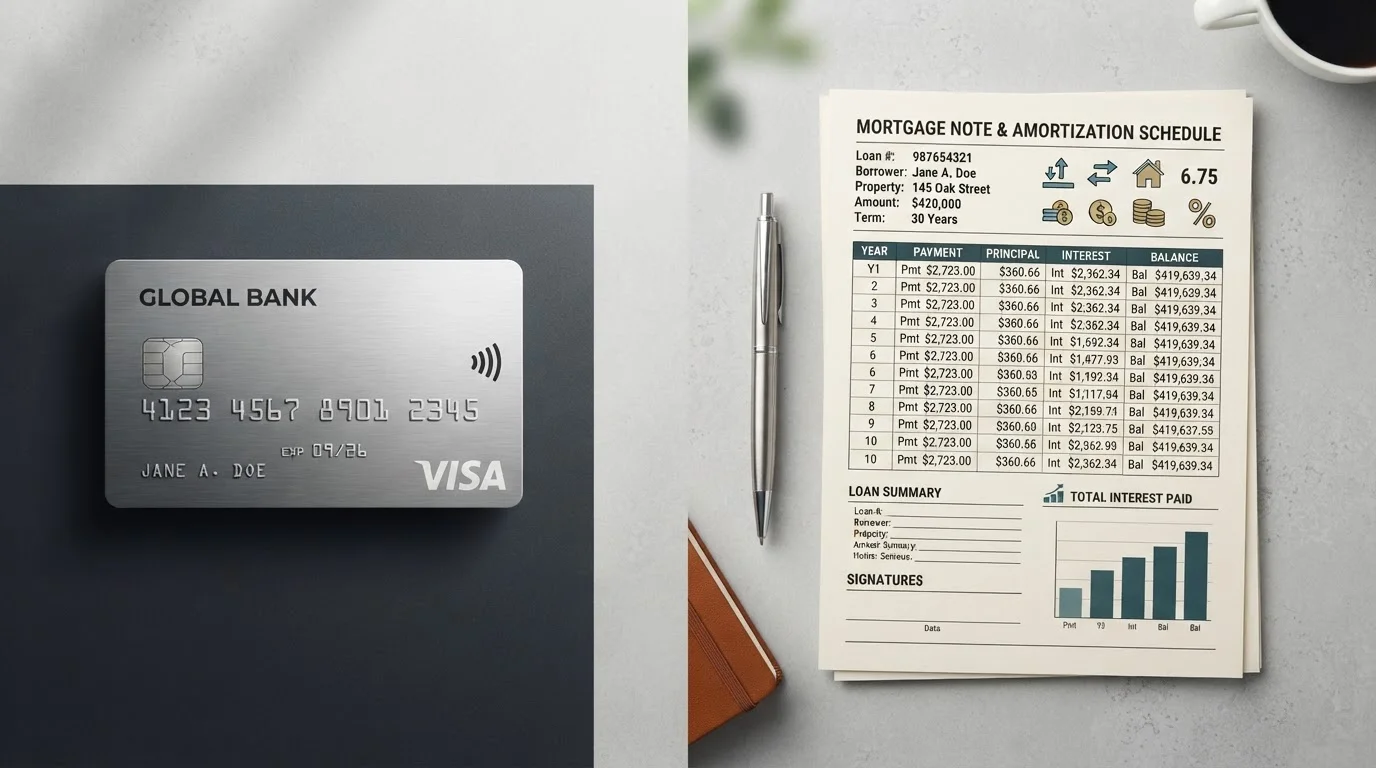
Revolving credit gives you a credit limit — say, $5,000 on a credit card — and lets you borrow any amount up to that limit, repay it, and borrow again. Your minimum payment typically varies based on your outstanding balance. Common examples include credit cards and home equity lines of credit (HELOCs). There is no fixed end date; the account remains open as long as it's in good standing.
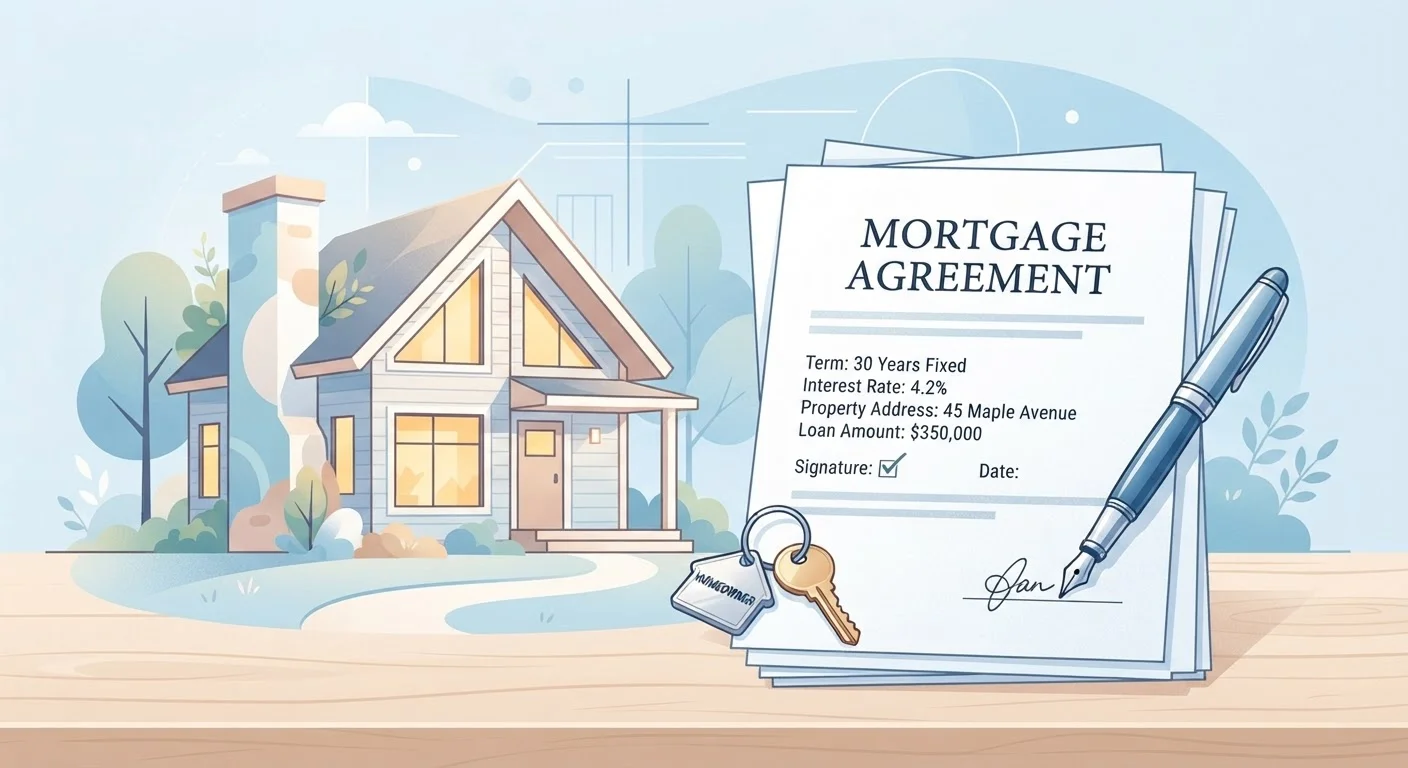
Installment loans, by contrast, provide a lump sum upfront. You then repay the full amount — plus interest — through a series of equal, scheduled payments (installments) over a defined term. Mortgages, auto loans, student loans, and personal loans all follow this structure. Once the final payment is made, the account is closed. For a deeper look at how one of the most common installment loans functions, see our guide on what a mortgage actually is and how it works.
Side-by-Side Comparison
The table below highlights the key structural differences between these two borrowing types across the criteria that matter most to everyday borrowers.
| Criterion | Revolving Credit | Installment Loans |
|---|---|---|
| Access to funds | Reusable up to credit limit | One-time lump sum |
| Repayment structure | Variable minimum payments | Fixed equal installments |
| Account term | Open-ended, no fixed end date | Defined term with payoff date |
| Interest charged | Only if balance is carried | Built into amortization schedule |
| Typical interest rate | Generally higher (variable) | Generally lower (fixed or variable) |
| Credit score impact | Heavily affects utilization ratio | Primarily affects payment history |
| Common examples | Credit cards, HELOCs | Mortgages, auto loans, student loans |
One nuance worth noting: revolving accounts and installment loans can both be either secured or unsecured. A mortgage is a secured installment loan (backed by your home), while a credit card is typically unsecured revolving credit. For a full breakdown of that distinction, see our article on secured vs. unsecured debt.
How Each Type Affects Your Credit Score
Both account types show up on your credit report, but they influence your score in different ways.
With revolving credit, the most impactful factor is your credit utilization ratio — the percentage of your available revolving credit you're currently using. Most scoring models, including FICO, consider utilization a major scoring factor. Carrying a balance equal to 80% of your credit limit, for example, can significantly drag down your score even if you've never missed a payment. Keeping utilization below 30% is a commonly cited guideline, though lower is generally better.
Installment loans don't factor into utilization calculations. Instead, they primarily affect your score through payment history (the single largest FICO factor) and length of credit history. Making on-time payments every month builds a positive track record. Paying off an installment loan in full also demonstrates you can manage a structured debt obligation to completion.
Having both types of accounts on your report contributes positively to your credit mix, which accounts for roughly 10% of a FICO score. If you're working to establish credit from scratch, our guide on building credit from zero explains how to start responsibly with either account type.
Applying for New Credit Has a Temporary Cost
Each time you apply for a new revolving account or installment loan, the lender typically performs a hard inquiry on your credit report, which can temporarily lower your score by a few points. Multiple hard inquiries in a short window can compound the effect, though credit scoring models often treat several inquiries of the same type (like mortgage shopping) within a short period as a single event. Plan new credit applications thoughtfully rather than opening multiple accounts at once.
Interest and Cost Considerations
Interest is where the structural differences become financially significant.
With revolving credit, interest typically compounds monthly on any unpaid balance. If you pay your full statement balance each billing cycle, you generally owe no interest at all — a meaningful advantage. But carry a balance, and interest charges accumulate quickly. Credit card annual percentage rates (APRs) in the US are often substantially higher than rates on installment loans.
Installment loans use a process called amortization, where each payment is split between principal and interest according to a fixed schedule. In the early months of a mortgage or auto loan, a larger share of each payment goes toward interest; over time, more goes toward principal. This structure means your total interest cost is predictable from day one — a meaningful planning advantage for large, long-term borrowing. For those comparing mortgage types specifically, our fixed-rate vs. adjustable-rate mortgage guide explains how rate structure affects your total cost.
When applying for either type of credit, lenders will typically conduct a hard inquiry on your credit report. Our article on hard vs. soft inquiries explains the difference and when each occurs.
This article is for general educational purposes only and does not constitute personalized financial, legal, or credit advice. Your individual situation may differ. Consult a qualified financial professional before making borrowing decisions.