The Key Fields on Every Credit Card Statement
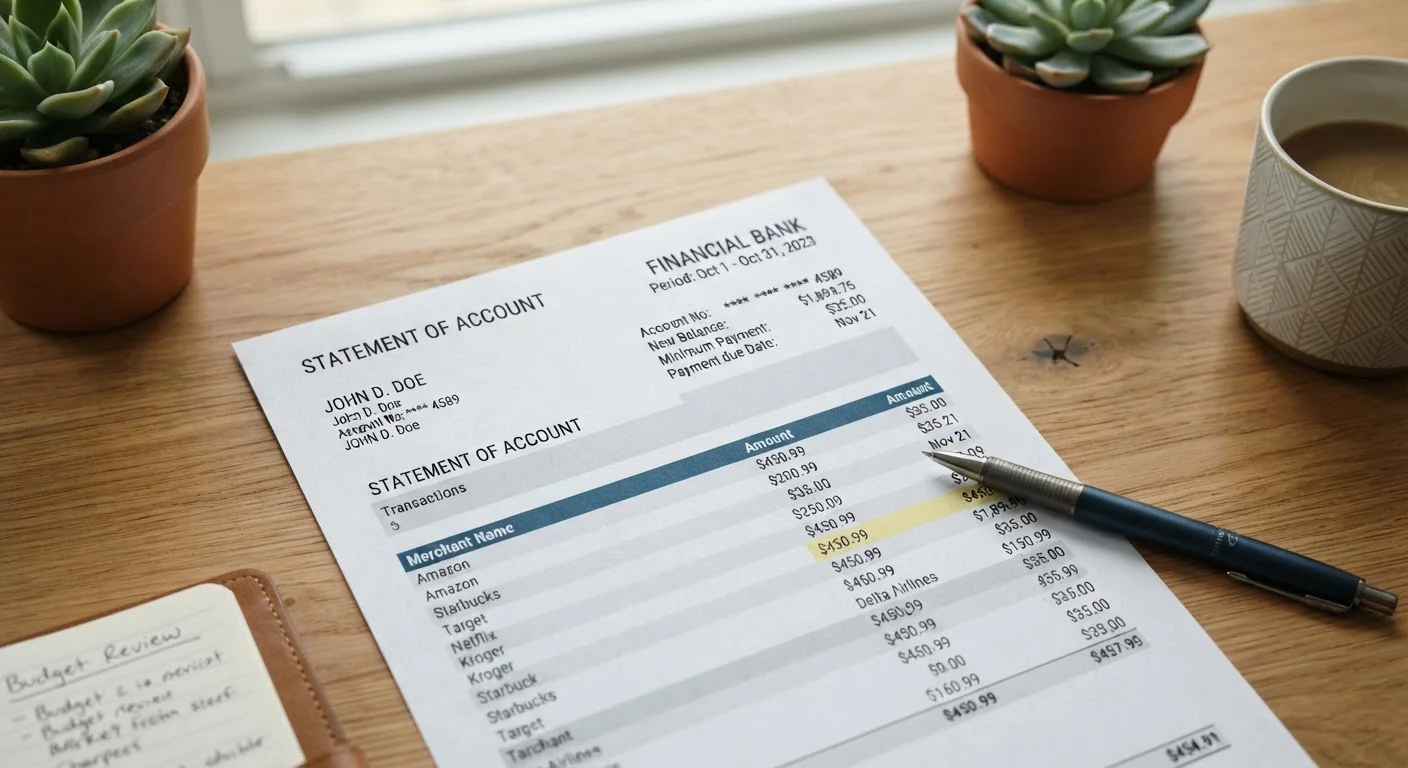
Your monthly credit card statement is a legal summary of your account activity — and every number on it has a specific purpose. Skimming past the fields you don't recognize can cost you money in interest, fees, or credit score damage. Here's a plain-English breakdown of the most important line items.
| Typical grace period length | 21–25 days (Required minimum under the CARD Act of 2009) |
| Standard minimum payment floor | $25–$35 or 1–2% of balance (Varies by issuer; check your cardmember agreement) |
| Late payment credit report threshold | 30+ days past due (CFPB consumer credit reporting guidelines) |
| Recommended utilization target | Below 30% (Widely cited guidance from credit scoring industry sources) |
| APR types on one card | Up to 3 (purchase, cash advance, penalty) (Standard issuer practice in the US) |
Statement Balance — This is the total amount you owed at the close of your billing cycle. Paying this in full by the due date means you pay zero interest on purchases.
Current Balance — Unlike the statement balance, this is a live figure updated as you spend. It may be higher than the statement balance if you've made purchases since the cycle closed.
Minimum Payment Due — The smallest amount you must pay to keep your account in good standing. It typically represents a small percentage of your balance (often 1–2%) or a flat floor amount, whichever is greater. Paying only the minimum keeps the account current but allows interest to compound on the rest. See how minimum payments quietly inflate total debt cost.
Payment Due Date — Payments received after this date trigger a late fee and, if more than 30 days late, a derogatory mark on your credit report. Set up autopay for at least the minimum to protect your payment history, which is the single largest factor in most credit scoring models.
APR, Interest Charges, and Available Credit
Annual Percentage Rate (APR) — Your APR is the annualized cost of borrowing expressed as a percentage. Most cards carry multiple APRs: one for purchases, a usually higher rate for cash advances, and a penalty APR that may trigger if you miss payments. A 24% purchase APR translates to a monthly periodic rate of 2% applied to your average daily balance when you carry a balance.
Interest Charged This Period — If you carried a balance from the previous month, this line shows the actual dollar cost of that decision. The figure is calculated using your average daily balance multiplied by the monthly periodic rate. Paying your statement balance in full every cycle eliminates this charge entirely.
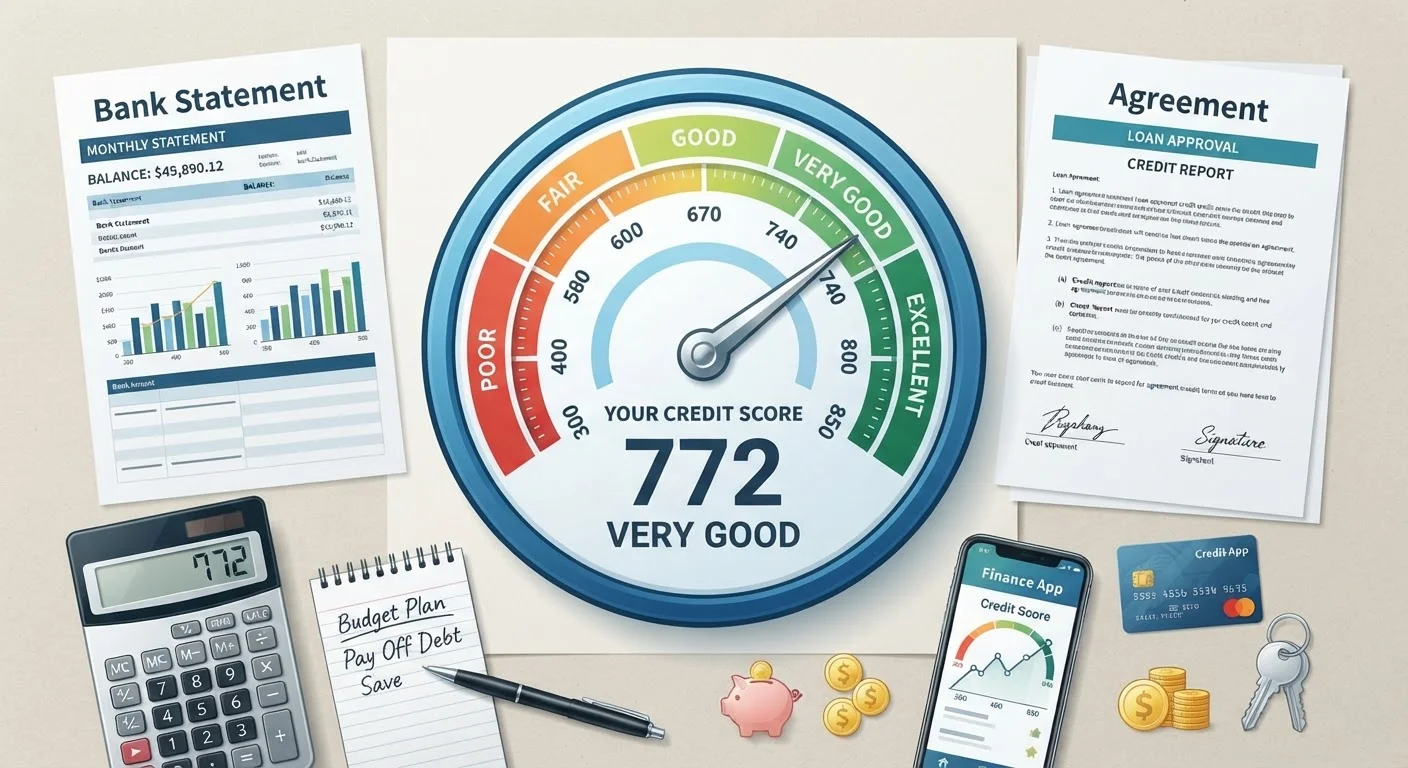
Credit Limit — The maximum the issuer will allow you to borrow. This number is set by the lender based on your creditworthiness. Your credit score tier plays a significant role in the limit you receive.
Available Credit — Credit limit minus your current balance. This figure feeds directly into your credit utilization ratio, which quietly shapes your credit score. Most scoring guidance suggests keeping utilization below 30% of your total limit.
Cash Advance Limit — A sub-limit within your credit line for ATM withdrawals or bank counter advances. Cash advances typically carry a higher APR than purchases, accrue interest from day one with no grace period, and come with an upfront fee.
Rewards Summary — If your card earns points or miles, this section tracks what you earned, redeemed, and currently hold. Understanding this section matters more than many cardholders realize — for a deeper look, see our guide to how travel rewards points and miles actually work.
Your statement also contains a legally required summary box — sometimes called the Schumer Box — showing your APRs, fees, and grace period terms in standardized format. If you ever have a question about your rates or fee structure, that box is the authoritative reference.
This article is for general informational purposes only and does not constitute personalized financial, legal, or tax advice. Consult a qualified financial professional for guidance specific to your situation.