The Five Credit Score Tiers Explained
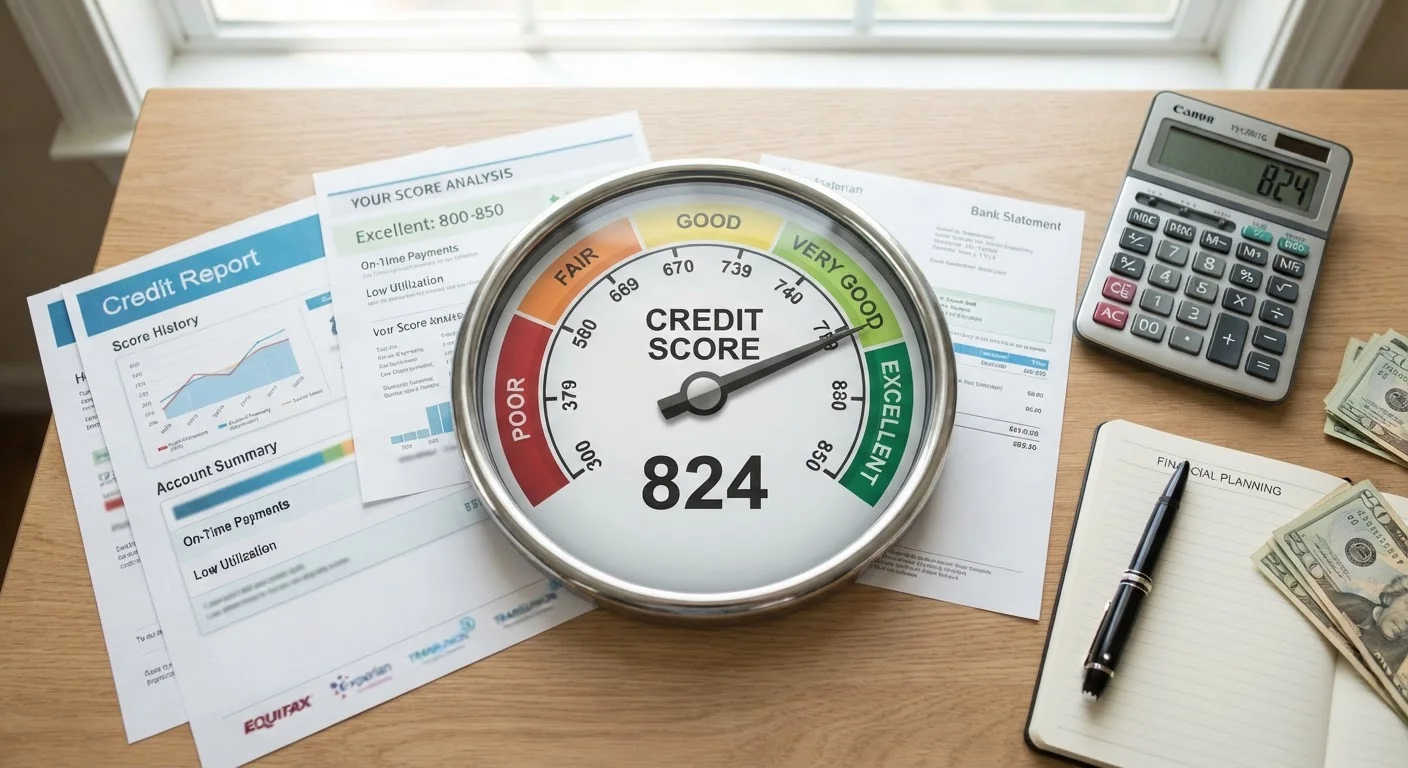
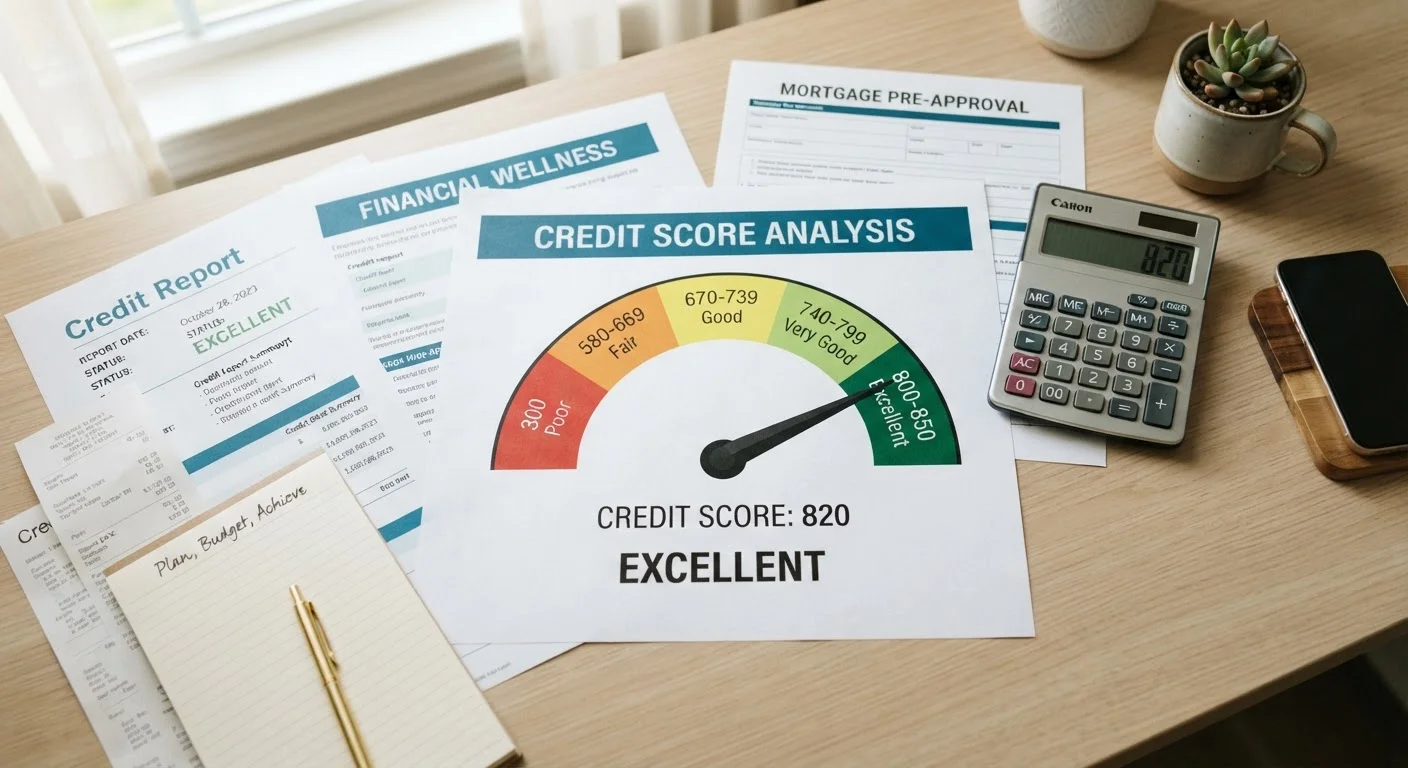
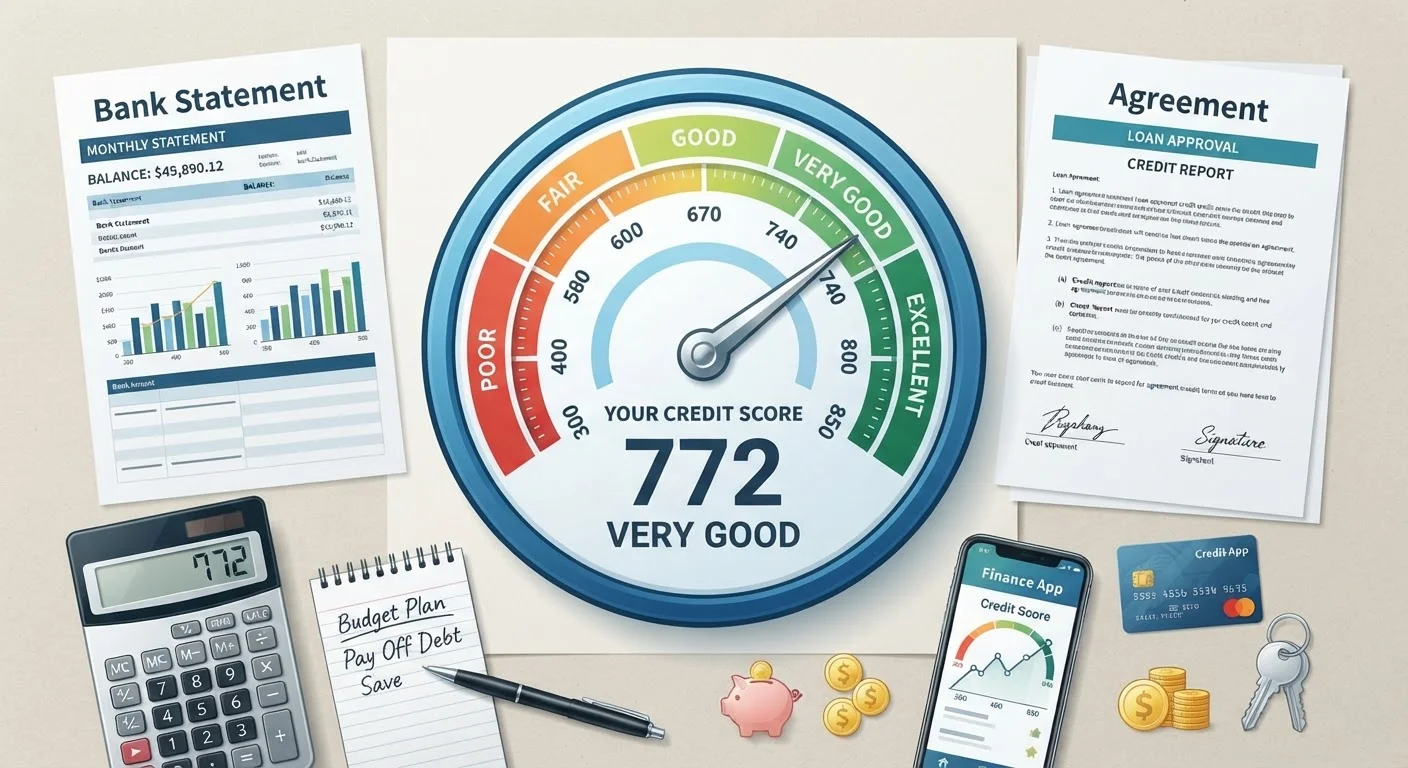
The FICO model — used by the vast majority of US lenders — places every borrower into one of five tiers based on their score. Understanding what each tier signals to a lender is the first step to making smarter borrowing decisions.
| FICO score range | 300–850 (Fair Isaac Corporation (FICO)) |
| Exceptional score threshold | 800+ (FICO scoring model) |
| Good credit minimum (FICO) | 670 (FICO scoring model) |
| Average US FICO score | ~714 (Experian State of Credit Report, 2023) |
| Poor credit threshold | Below 580 (FICO scoring model) |
| Share of Americans with good or better credit | Approx. 67% (Experian State of Credit Report, 2023) |
- Poor (300–579)
- Borrowers in this range represent the highest perceived risk. Approval for unsecured credit is rare, and when extended, comes with very high interest rates. Landlords and utility providers often require security deposits. This tier typically reflects missed payments, collections, or a very thin credit file.
- Fair (580–669)
- Sometimes called the "near-prime" zone, this tier grants access to more products but still at above-average rates. Secured credit cards and credit-builder loans are common tools used by borrowers here. Mortgage approvals may be possible under programs such as FHA loans, which allow scores as low as 580 with a larger down payment.
- Good (670–739)
- This is where borrowers cross into prime territory. Most mainstream lenders will approve applications, and interest rates become noticeably more competitive. The average American score sits within or near this band, reflecting that good credit is an achievable baseline rather than an elite status.
- Very Good (740–799)
- Borrowers here receive favorable terms across nearly all product categories — auto loans, mortgages, and personal loans. Lenders view this tier as low-risk, which translates to lower rates, higher credit limits, and less friction during the approval process.
- Exceptional (800–850)
- The top tier unlocks the most competitive rates available and the strongest negotiating position with lenders. Approval is routine, credit limits tend to be generous, and some lenders offer additional perks or preferential terms. Reaching this range requires years of consistent, responsible credit behavior.
To understand which factors actually build or damage these scores, see our article on what your credit score actually measures.
Real-World Impact: What Changes as Your Score Rises
A credit tier is not just a label — it has concrete financial consequences that compound over time. Here's how the tiers translate into practical outcomes.
VantageScore vs. FICO: Two Common Models
While FICO is the most widely referenced model, VantageScore — developed jointly by the three major credit bureaus — also uses a 300–850 range with slightly different tier boundaries and weighting. Many free credit monitoring tools report a VantageScore. Always confirm which model a lender uses when evaluating your application.
Loan Approval and Interest Rates
The most direct effect of your credit tier is the APR a lender offers. On a large loan — say, a $25,000 auto loan — even a two-percentage-point difference in rate can mean hundreds of dollars in extra interest paid over the loan term. Borrowers moving from the fair tier to the good tier often see measurable rate reductions. Exceptional-tier borrowers typically see the lowest rates a lender publishes.
Housing Applications
Landlords routinely pull credit reports. A poor or fair score may result in a required security deposit, a co-signer requirement, or outright rejection. Crossing into the good tier (670+) removes many of these barriers in most rental markets.
Deposits and Utility Access
Utility companies and some mobile providers check credit when establishing service. Scores below certain thresholds trigger refundable security deposits — a cash cost that's easy to overlook when planning a move or setting up a new account.
Credit Utilization's Role in Your Tier
One of the fastest-acting levers in your score is how much of your available credit you carry as a balance. Credit utilization — the ratio that quietly shapes your score can push a score up or down within a single billing cycle when managed deliberately. Staying below 30% of your available limit is a widely cited guideline, though lower is generally better for top-tier scores.
Avoiding Misconceptions
Many people hold mistaken beliefs about how scores work — for example, assuming that checking their own credit or closing an old account will help. Our guide on common credit score myths separates fact from fiction so you don't accidentally work against yourself.
~714
Average US FICO score
According to Experian's 2023 State of Credit report, the average American FICO score sits in the 'good' tier.
1.5–3x
Higher interest cost for poor vs. exceptional credit
Borrowers with poor credit scores can pay significantly higher APRs on personal loans compared to those in the exceptional tier, according to general industry lending data.
5 factors
Components used to calculate a FICO score
FICO weighs payment history, amounts owed, length of credit history, new credit, and credit mix to generate a score.
It's also worth knowing that not all credit inquiries affect your score equally. Hard inquiries vs. soft inquiries explains which checks leave a mark and which don't — relevant whenever you're shopping for new credit.
This article is for general informational purposes only and does not constitute personalized financial, credit, or legal advice. Credit scoring models and lender criteria vary. Consult a qualified financial professional for guidance specific to your situation.