
What a Sinking Fund Is and How It Works
A sinking fund is simply savings with a purpose and a deadline. You identify an upcoming expense, estimate its cost, decide when you'll need the money, then divide the total by the number of months you have. That monthly figure becomes a non-negotiable line in your budget — set it aside automatically if possible, and leave it alone until you need it.
The elegance is in its predictability. A $1,200 car insurance premium due in October stops being a crisis in October if you've been depositing $100 a month since January. The expense doesn't shrink, but the financial impact becomes almost invisible on a month-to-month basis.
For a deeper look at building a budget structure that accommodates these kinds of planned expenses alongside your regular bills, see Building a Budget That Survives Real Life.
Automate Your Contributions From Day One
Set up automatic transfers from your checking account to each sinking fund on the same day you receive your paycheck. Treating the contribution as a fixed expense — rather than something you do with 'what's left over' — is the single most effective habit for keeping sinking funds funded. Even small amounts accumulate significantly over a 12-month period.
Sinking Funds vs. Emergency Funds: Not the Same Thing
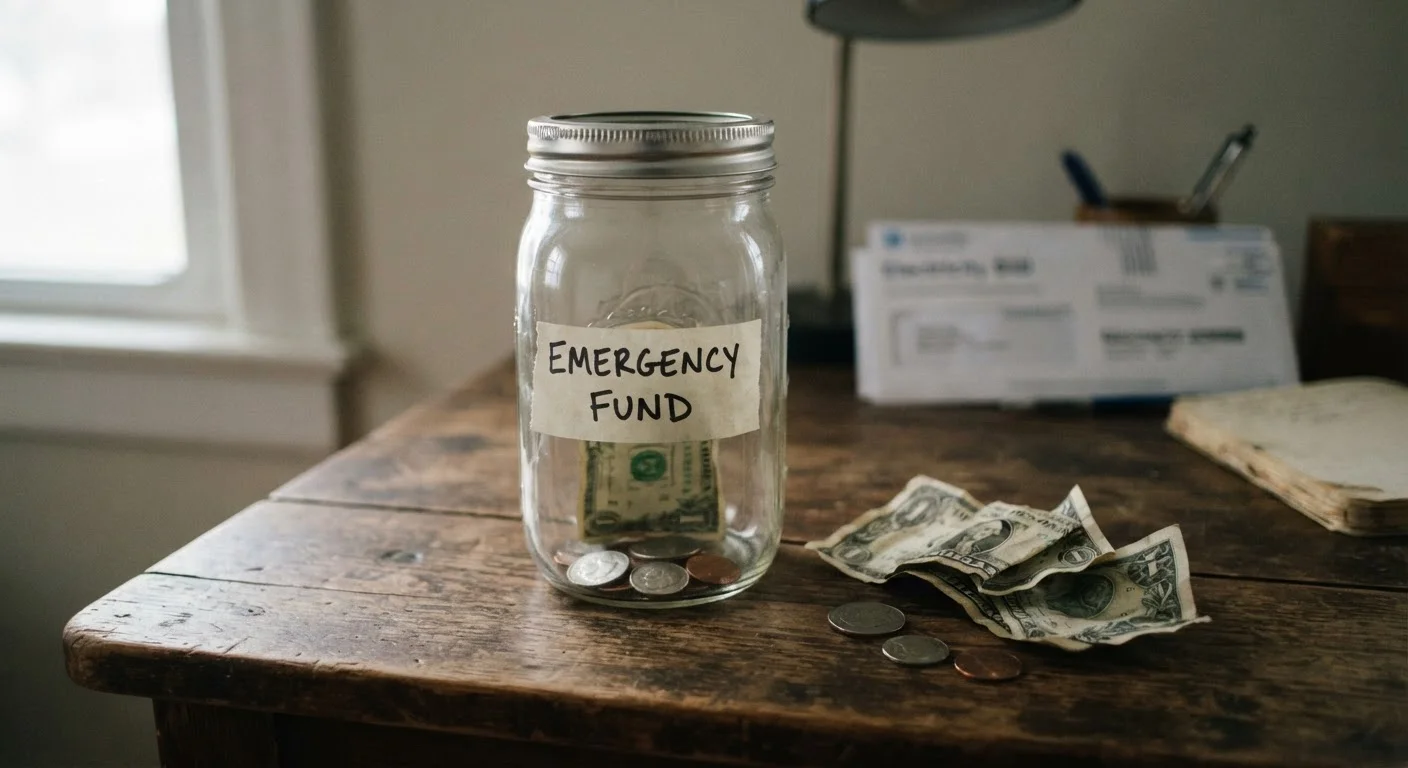
One of the most common budgeting mistakes is using an emergency fund to pay for expenses that were never really emergencies. Annual subscriptions, holiday gifts, and routine car maintenance are predictable — they don't belong in your emergency reserve, which exists for genuine financial shocks.
When you raid your emergency fund for a planned expense, you leave yourself exposed to actual emergencies. Sinking funds solve this by giving anticipated costs their own dedicated pool of money. Your emergency fund stays intact and your budget stays intact at the same time.
If your emergency savings seem to disappear faster than you can replenish them, the culprit is often a missing sinking fund layer. The article Why Your Emergency Fund Keeps Getting Raided breaks down this pattern in detail.
~$1,400
Average American's unplanned car repair cost
Federal Reserve consumer finance surveys consistently find that unexpected vehicle repairs rank among the most common financial shocks cited by US households.
56%
Americans who cannot cover a $1,000 emergency from savings
Bankrate's annual emergency savings survey has repeatedly found that more than half of U.S. adults would need to borrow or use credit for a sudden $1,000 expense.
12x
Annual bills that catch households off guard
Financial planners commonly note that recurring annual expenses — insurance, registration, subscriptions — are among the most frequent budget disruptors despite being entirely predictable.
Common Categories Worth Creating a Sinking Fund For
The right categories depend on your life, but certain expense types recur across nearly every household:
- Vehicle costs: Registration fees, annual insurance premiums, tires, or predictable maintenance like timing belt replacement.
- Home maintenance: HVAC servicing, appliance replacement reserves, seasonal upkeep.
- Holidays and gifts: A fixed annual total spread across 12 months eliminates December budget stress entirely.
- Medical and dental: Planned procedures, glasses, or annual deductible contributions.
- Travel: A vacation you plan a year out is not an emergency — it's a sinking fund candidate.
- Annual subscriptions and memberships: Software, professional dues, gym memberships billed yearly.
Start with the two or three categories that have historically derailed your budget. Over time, add more as the habit becomes second nature.
How to Structure and Track Your Sinking Funds
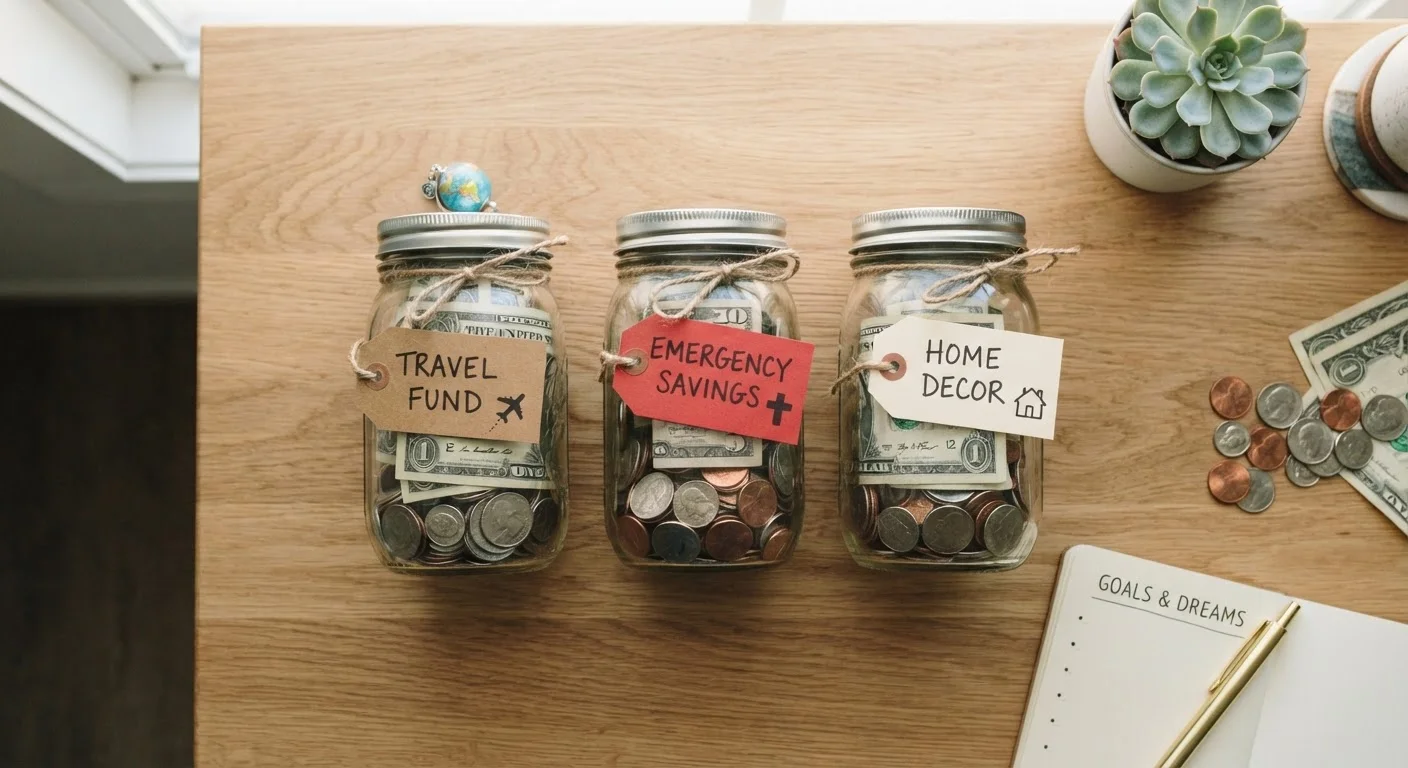
The most practical approach is to keep sinking funds physically separate from your everyday checking account and your emergency reserve. Many banks offer sub-accounts or savings buckets that let you label and track multiple pools of money within a single account — a structure explained in more depth in Keeping Savings Separate.
Automate transfers on payday so the contribution happens before you make any discretionary spending decisions. Keep a simple spreadsheet or use a budgeting app to log each fund's target, current balance, and timeline. Review your sinking funds monthly alongside the rest of your budget — adjusting targets as costs change or new needs emerge.
Sinking funds are one component of a broader financial resilience framework. To understand how they fit alongside emergency reserves and other savings habits, Financial Resilience: Building a System That Holds Under Pressure offers a comprehensive overview.
This article is for general informational and educational purposes only and does not constitute personalized financial, tax, or investment advice. Consult a qualified financial professional for guidance specific to your circumstances.