Why Boredom Looks Like Bad Behavior
Chewed furniture, excessive barking, compulsive grooming, redirected aggression — these are often blamed on stubbornness or a "bad" pet. In reality, most veterinary behaviorists point to a simpler culprit: an understimulated brain. Animals evolved with complex behavioral repertoires — hunting, foraging, problem-solving, socializing — and when those drives have nowhere healthy to go, they surface as the behaviors owners find most frustrating.
Understanding this reframes the whole conversation. Instead of asking "How do I stop this behavior?" the more productive question becomes "What need is this behavior trying to meet?" Enrichment answers that question directly. It doesn't just tire pets out — it satisfies the cognitive and physical drives that problem behaviors are awkwardly trying to address.
For a deeper look at how common misunderstandings shape our responses to pets, see common pet behavior myths that still trip up well-meaning owners. And if you're pairing enrichment with a training approach, what behavioral science says about training methods is worth reading alongside this guide.
Food Puzzles and Foraging Games
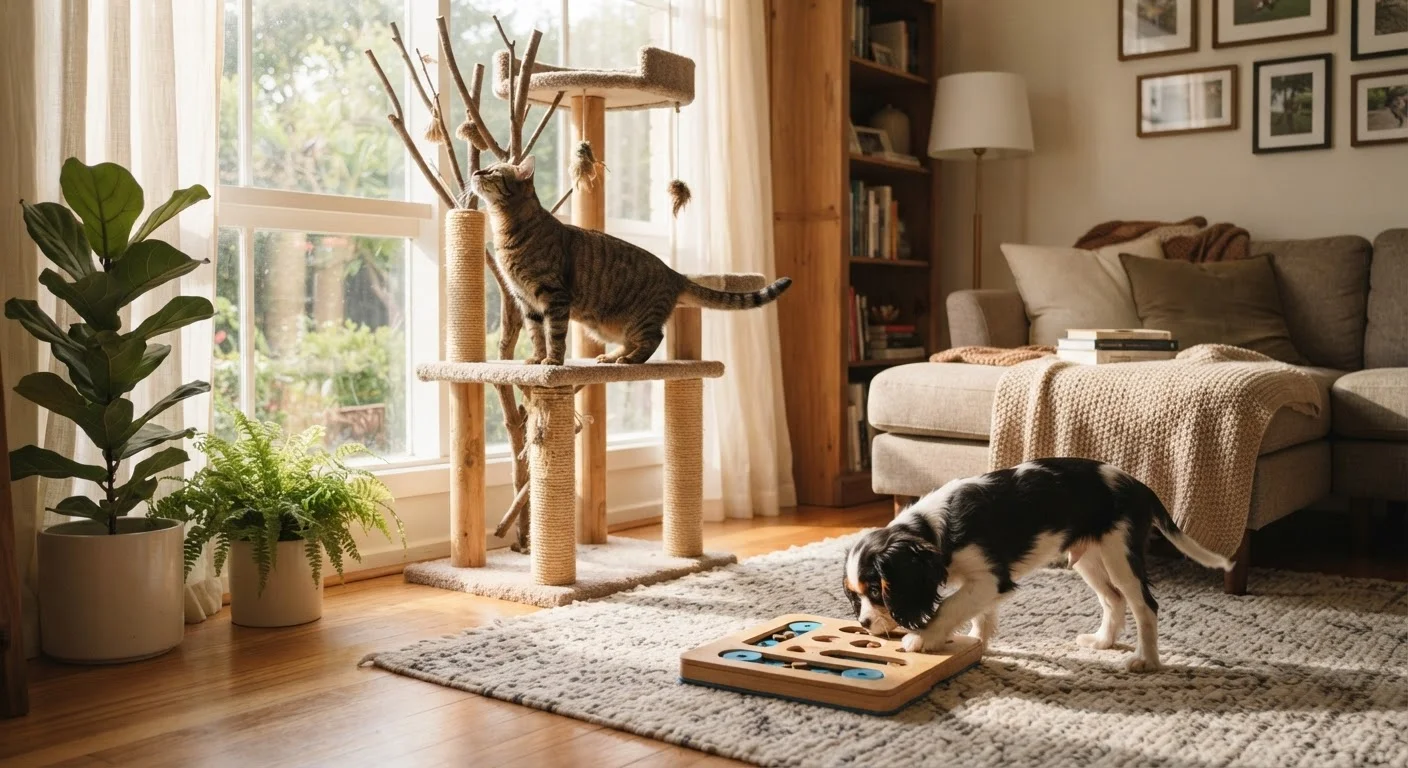
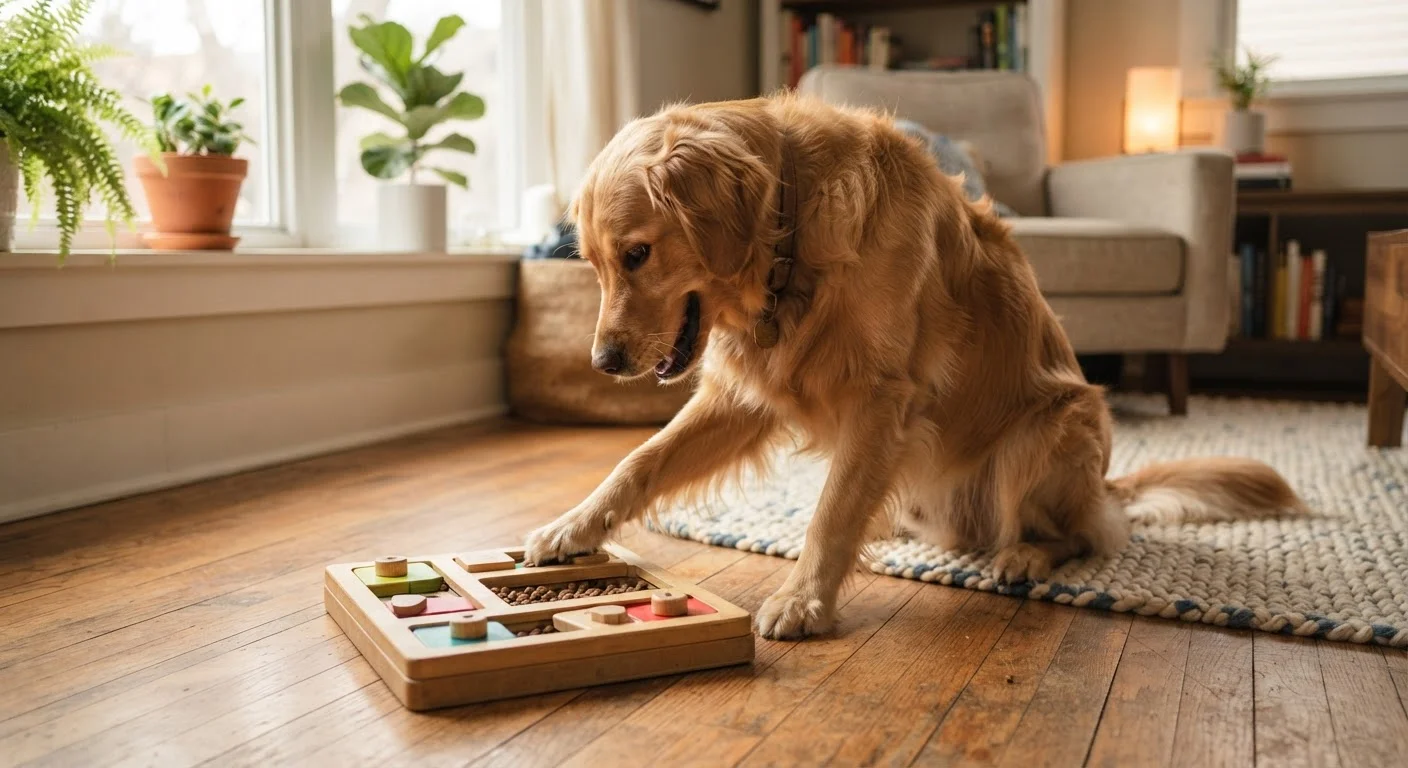
In the wild, animals spend a significant portion of their waking hours working for food. Handing a dog or cat a full bowl in thirty seconds skips that entire cognitive process. Food puzzles — from simple lick mats to multi-step puzzle feeders — reintroduce that foraging element in a safe, controlled way.
For dogs, try stuffing a rubber Kong-style toy with their regular meal mixed with a little wet food, then freezing it overnight. Cats often respond well to kibble scattered in a cardboard egg carton or hidden under small cups. Even rabbits and birds benefit from foraging setups using hay, paper rolls, and scattered pellets. The slow, focused engagement these activities require naturally reduces anxiety-driven behaviors like destructive chewing or over-vocalization.
Foraging for food satisfies a primal cognitive drive that boredom-based destruction often signals.
Scent Work and Nose Games
A dog's nose is estimated to be 10,000 to 100,000 times more sensitive than a human's, and using it deeply tires dogs out in ways that physical exercise alone cannot. Scent work — formally structured in sports like AKC Nose Work, or informally done through "find it" games at home — channels that olfactory power productively.
Start simply: hide a small treat under one of three overturned cups and let your dog figure out which one. Gradually increase difficulty by hiding treats in different rooms or tucking them into nooks outdoors. Even ten minutes of intentional scent work can visibly reduce restlessness and hyperactivity for hours afterward. Cats also benefit from scent enrichment through herb bundles, cardboard scratchers with sprinkled catnip, and rotating novel objects with interesting smells.
Ten minutes of scent work can calm a restless dog more effectively than a brisk twenty-minute walk.
Structured Play That Mimics Natural Prey Sequences
Not all play is equal. Tossing a ball is fun, but play that mimics a pet's natural prey sequence — stalk, chase, pounce, grab, dissect — is far more satisfying neurologically. For cats, this means interactive wand toys that move unpredictably, culminating in a moment where the cat can actually "catch" and hold the toy. Ending a play session abruptly without a catch can leave cats frustrated and more likely to redirect that energy onto people or household items.
For dogs, tug games with clear start and stop cues address prey-drive needs while simultaneously reinforcing impulse control — a two-for-one behavioral benefit. The key is matching play style to species instinct, not just to what's convenient for the owner.
Play that follows a natural prey sequence leaves pets neurologically satisfied, reducing redirected aggression.
Environmental Complexity and Vertical Space
Cats especially thrive when their environment has layers. A cat with access to vertical space — shelving, window perches, cat trees — has more control over its environment and more ways to express natural climbing and observing behaviors. This sense of agency significantly reduces stress-related behaviors like over-grooming, inter-cat aggression, and litter box avoidance.
For dogs, environmental complexity can mean a richer walk rather than a longer one. Allowing dogs to stop, sniff, and investigate — instead of maintaining a brisk training pace — turns a routine walk into a genuine exploratory experience. Small animals like guinea pigs and rabbits benefit from tunnels, hideaways, and changing cage configurations that make their spaces feel dynamic rather than static.
Giving cats vertical options reduces environmental stress and curbs compulsive grooming and aggression.
Social and Training-Based Enrichment
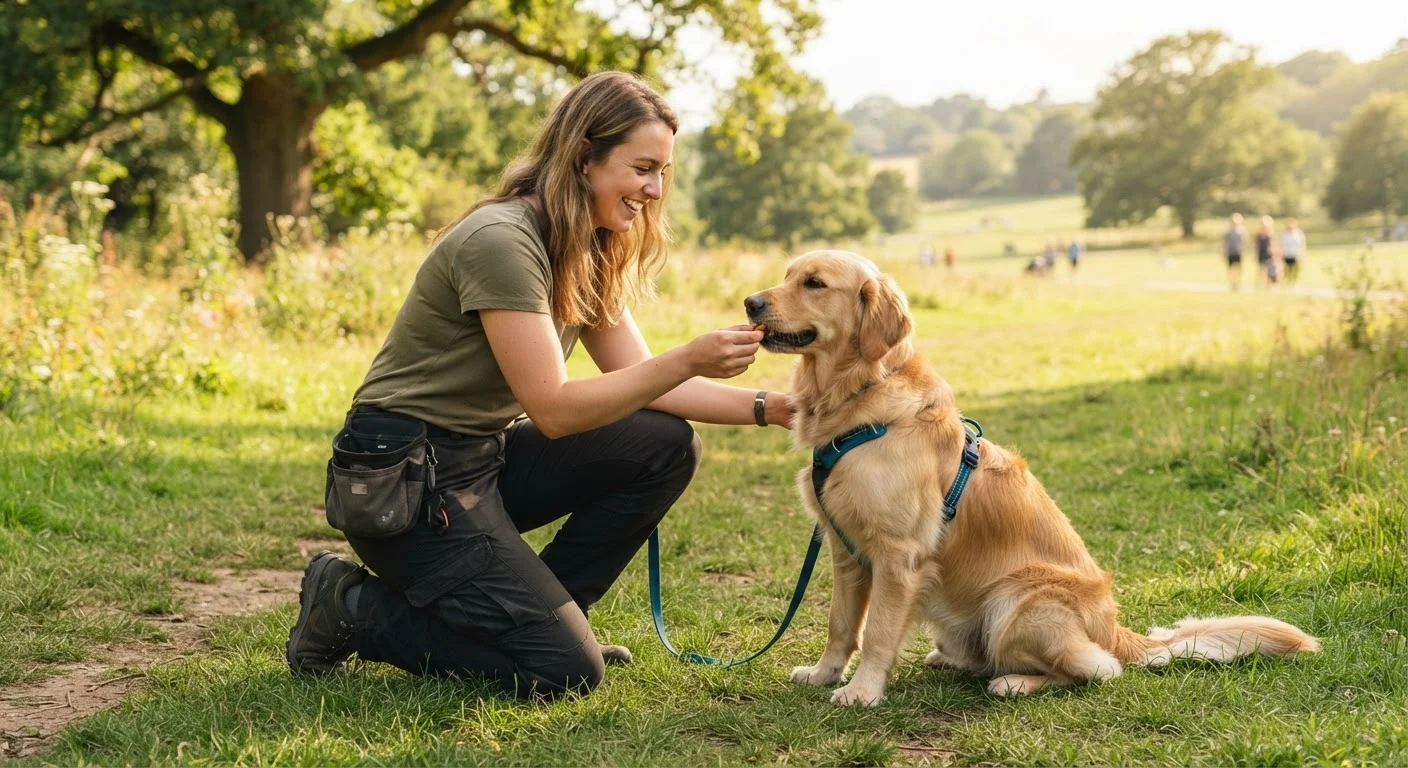
Learning new things is inherently enriching. Short, positive training sessions — even five to ten minutes — engage a pet's problem-solving capacity and strengthen the owner-animal bond simultaneously. Teaching a dog a new trick, practicing "leave it" with increasing difficulty, or introducing clicker training for a cat or rabbit all deliver meaningful cognitive stimulation.
Social enrichment matters too, though it must match the individual animal's comfort level. Supervised, well-matched dog-to-dog play can reduce anxiety in social breeds. For animals that are more solitary by nature, human interaction — calm grooming, gentle handling, structured one-on-one time — fills that need without overwhelming them. Families navigating pet enrichment alongside children's schedules may find guidance on pets in family households particularly useful for balancing everyone's needs.
Brief daily training sessions satisfy a pet's need for problem-solving and deepen the human-animal bond.
Building an Enrichment Routine That Sticks
The best enrichment plan is the one you'll actually follow. Start by identifying which problem behaviors appear most often and what time of day they peak — this usually points directly to unmet needs. A dog that tears things apart at 5 p.m. likely needs an outlet before that window, not a correction after.
Start Small, Then Build Complexity
If your pet is new to enrichment, begin with activities that have a low frustration threshold — a simple scatter feed or a single-layer puzzle. Pets that struggle and give up early may become avoidant of enrichment altogether. Gradually increase challenge as your pet builds confidence and engagement. The goal is mental effort, not defeat.
Rotate enrichment activities rather than presenting the same puzzle every day. Novelty itself is mentally stimulating, and even inexpensive options — a cardboard box, a frozen vegetable, a new walking route — can reset a pet's engagement level. For more structured ideas, environmental enrichment for indoor pets covers species-specific setups for dogs, cats, and small animals.
Remember that enrichment is part of pet care basics, not an optional bonus. When combined with consistent routines and reasonable expectations, it's one of the most evidence-backed tools available for creating a calmer, more balanced companion.