What Landlords Are Legally Allowed to Deduct
Security deposit law is designed to protect landlords from genuine financial harm — not to give them an automatic windfall at a tenant's expense. Lawful deductions generally fall into two categories:
- Unpaid rent: Any rent balance owed at move-out, including amounts due during a notice period the tenant did not serve properly.
- Damage beyond normal wear and tear: This includes broken windows, large holes in walls, severely stained or burned carpet, missing fixtures, or pet damage not disclosed under the lease.
Cleaning costs may also be deducted if the unit is returned in significantly worse condition than it was received — though landlords cannot charge for a professional deep clean simply because it is their preference. If the lease includes a non-refundable cleaning fee listed separately, that is a distinct charge and not technically part of the security deposit under many state laws.
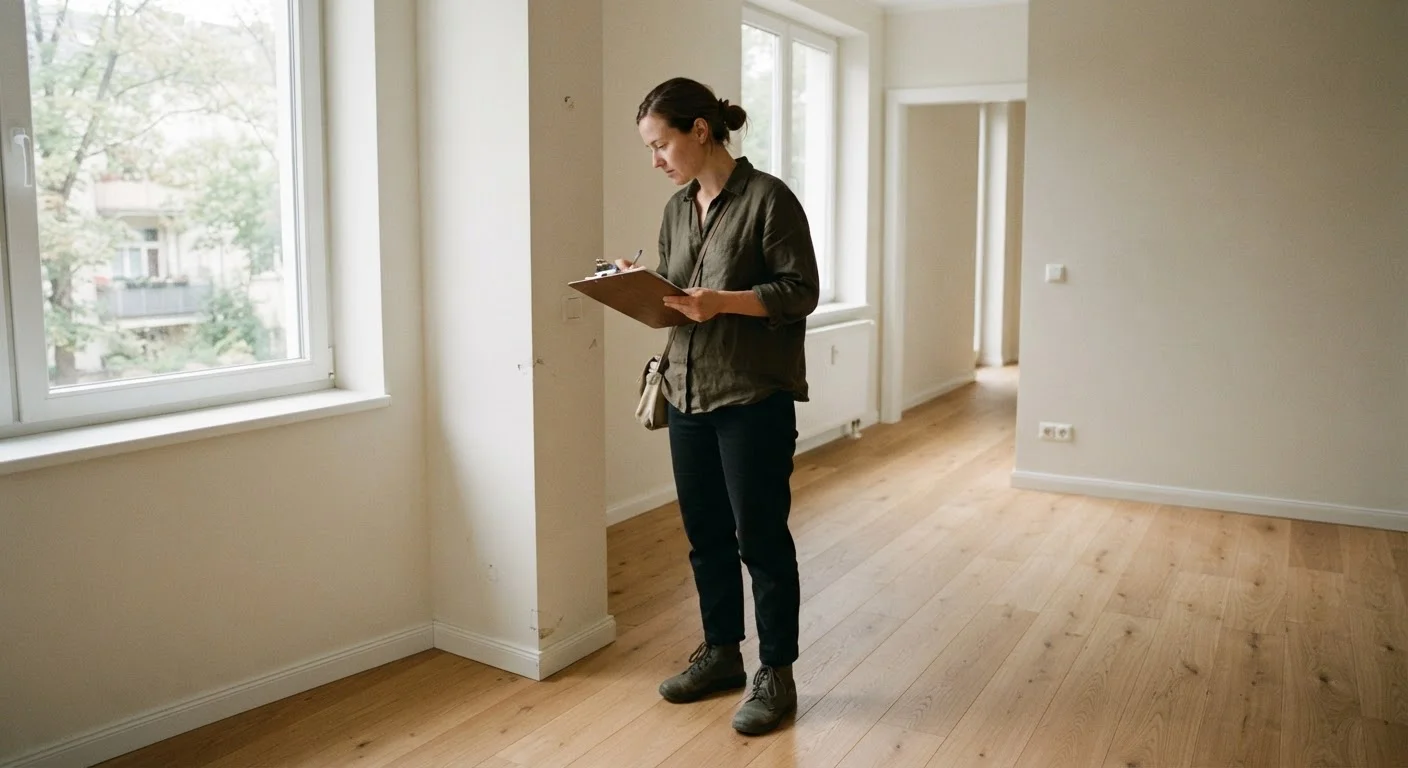
Before you sign, consider doing a thorough pre-move-in inspection. Our pre-lease walkthrough checklist gives you a room-by-room framework for documenting the unit's condition so there are no disputes about pre-existing damage later.
What Landlords Cannot Legally Keep
The most misunderstood concept in deposit law is normal wear and tear — the gradual, expected deterioration that occurs through ordinary daily living. Courts and statutes routinely classify the following as normal wear and tear that landlords cannot charge for:
- Small nail holes from hanging pictures
- Minor scuffs or light marks on walls
- Carpet wear along traffic paths
- Faded or lightly discolored paint after several years
- Loose hinges or door handles from regular use
Landlords also cannot deduct for repairs they were already legally required to make. If a plumbing fixture was defective before you moved in, or if the landlord failed to maintain the property to habitable standards, charging those repair costs to your deposit is generally impermissible. For a clear breakdown of landlord repair obligations, see our article on what landlords are legally required to fix.
Deductions must also be documented. A landlord cannot simply return a reduced deposit with no explanation — an itemized written statement is required by law in nearly every state, and unsupported deductions are routinely thrown out in small claims court.
Document Everything at Move-Out
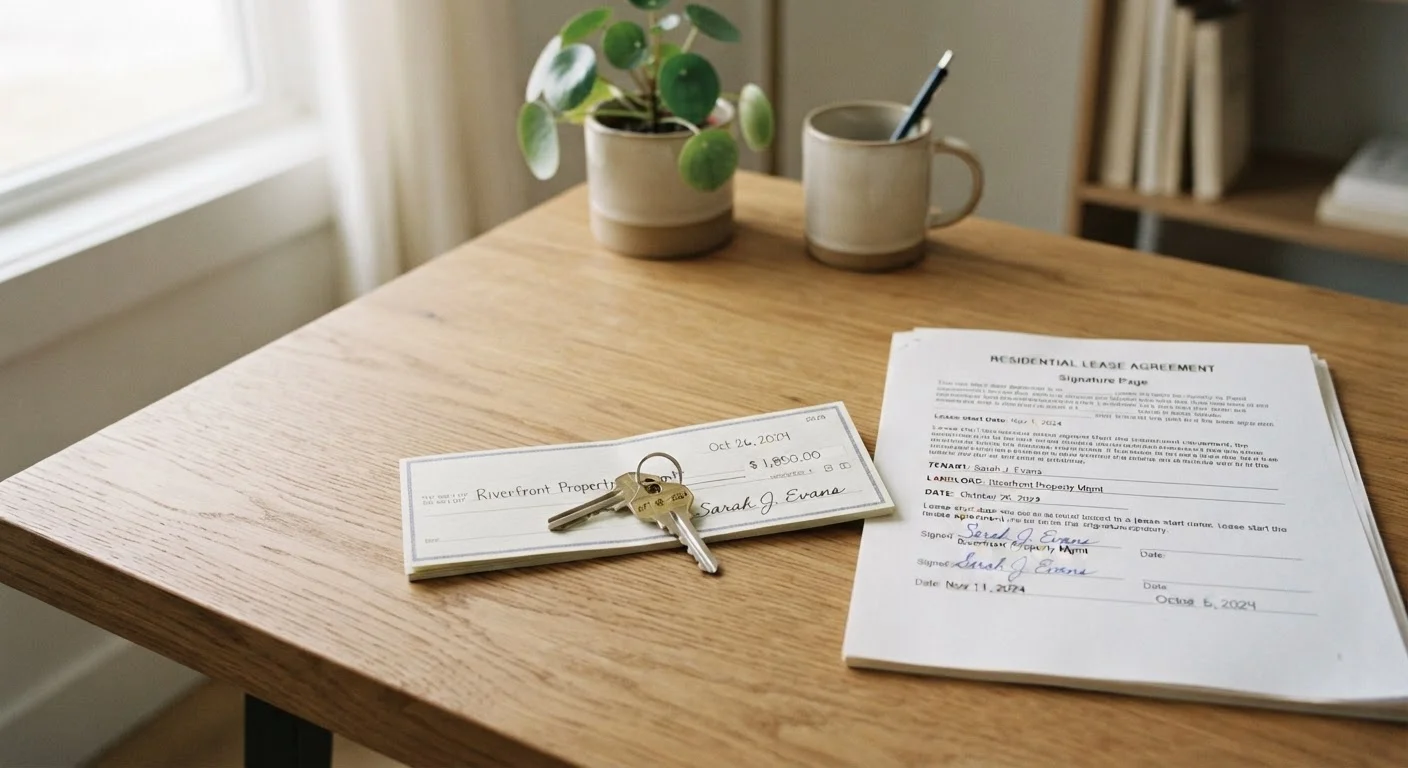
Request a joint move-out inspection with your landlord and take timestamped photos or video of every room before you hand over the keys. Written documentation created at this stage is the most powerful evidence you can have if a deduction dispute arises. Ask the landlord to sign or acknowledge a move-out inspection form on the spot.
Timelines, Penalties, and What to Do If Money Is Wrongfully Withheld
State law sets firm deadlines for returning deposits — commonly between 14 and 45 days after the tenant vacates, though some states allow up to 60 days. Landlords who miss this window typically lose all right to deductions, regardless of whether damage occurred.
14–60 days
Typical state deposit return window
Most U.S. states require landlords to return security deposits within this range after a tenant vacates; exact deadlines vary by jurisdiction.
2–3×
Penalty multiplier for bad-faith withholding
Many states allow courts to award tenants double or triple the wrongfully withheld deposit amount when a landlord acts in bad faith.
$3,000
Typical small claims court filing limit
Most security deposit disputes fall within small claims court thresholds, which commonly range from $2,500 to $10,000 depending on state law.
If you believe your deposit was wrongfully withheld, follow these steps:
- Send a written demand letter citing your state's security deposit statute and requesting the full amount owed within a specific timeframe (typically 10–14 days).
- File in small claims court if the landlord does not respond. Most deposit disputes fall within small claims limits, and you do not need an attorney.
- Bring your documentation: move-in photos, the signed lease, move-out inspection records, and any written communication with the landlord.
Many states impose penalty damages — often two to three times the wrongfully withheld amount — on landlords who retain deposits in bad faith. Understanding why renters lose these disputes is equally important; our piece on why renters lose security deposit disputes outlines the documentation and timing habits that make the difference.
This article provides general legal and financial information for educational purposes only. Security deposit laws vary significantly by state and locality. Consult a licensed attorney or your local tenant rights organization for guidance specific to your situation.