Why a Room Inspection Routine Pays Off
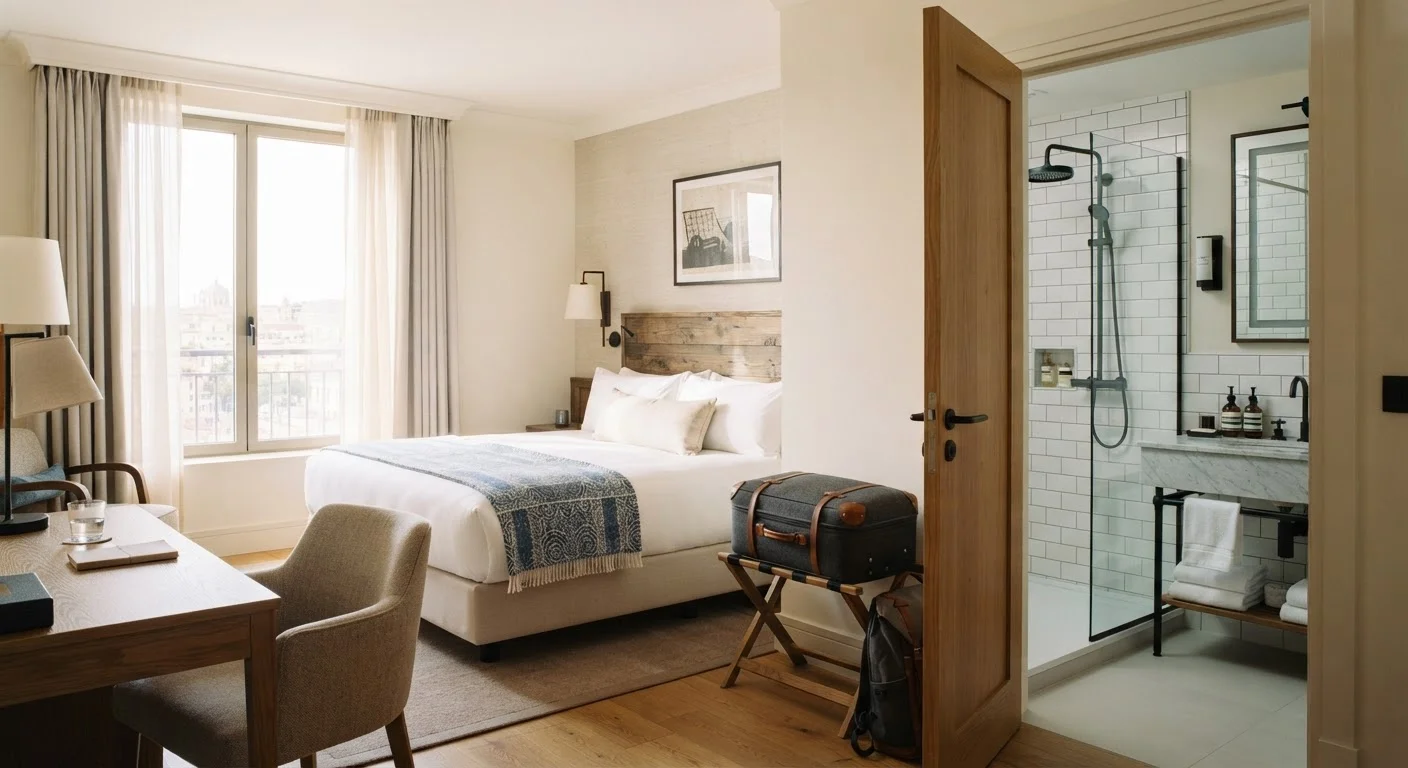
Most travelers drop their bags and head straight to the pool or restaurant. That's understandable — but it's also when billing errors get missed, damage goes undocumented, and cleanliness problems become your problem for the entire stay. A brief, systematic walkthrough when you first enter the room takes less time than ordering room service and can prevent real headaches.
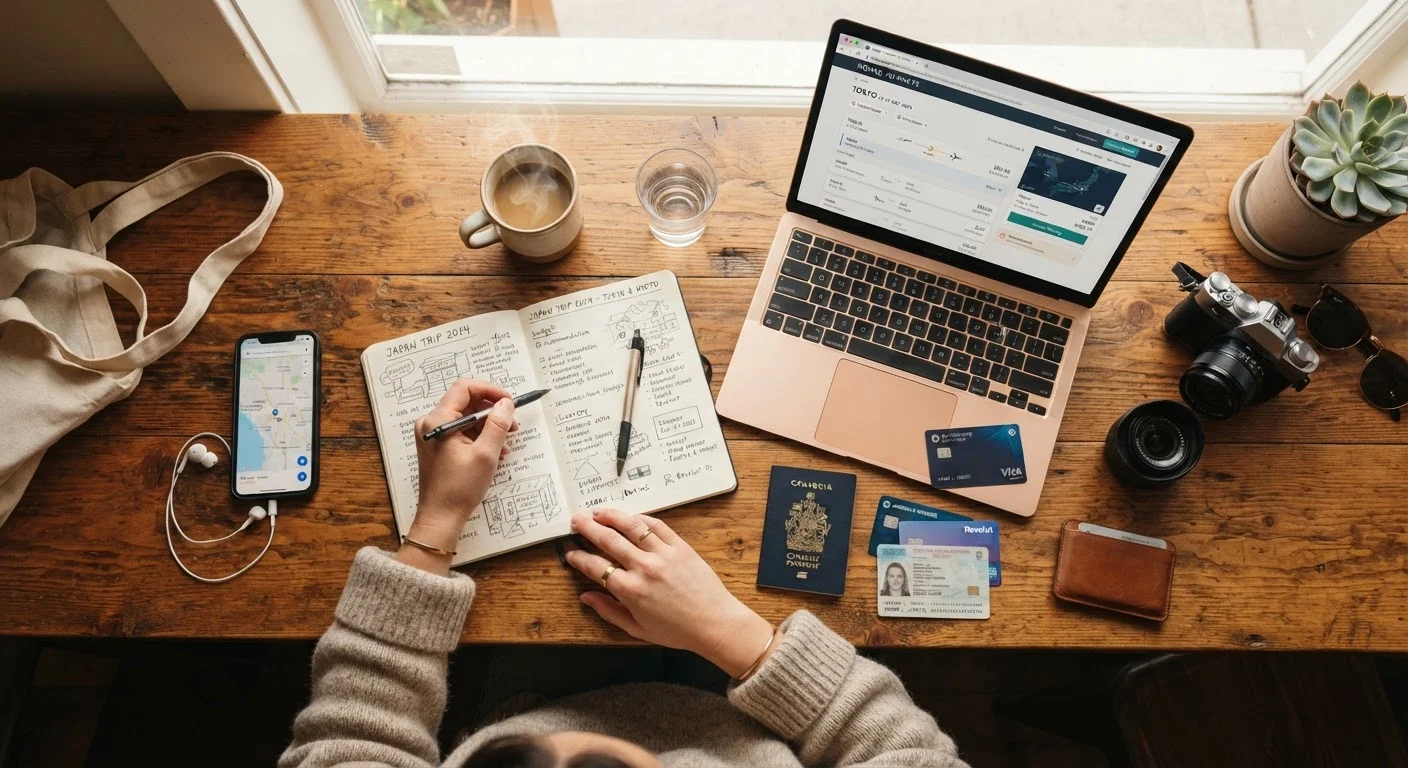
This checklist applies whether you're at a budget motel or a full-service hotel. The inspection logic is the same: verify before you commit. If you've already done the planning work — comparing room types, reviewing cancellation policies, confirming loyalty points — this is the final step that protects that effort. See our pre-trip planning checklist for the groundwork that sets you up before you even arrive.
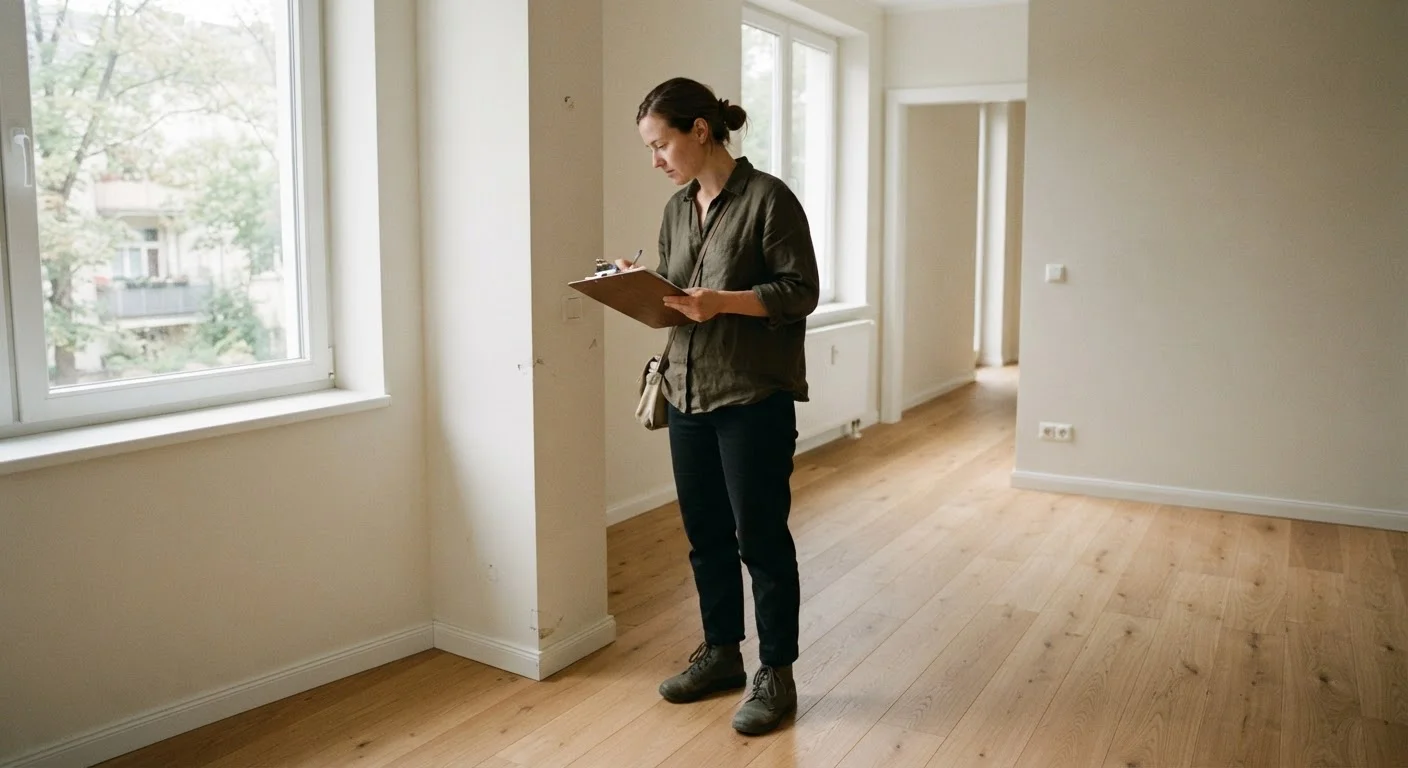
Think of this walkthrough similarly to inspecting a rental unit before signing a lease — you're creating a record of condition before you're financially on the hook for anything.
Smartphone with Camera
Document existing room damage with timestamped photos and scan for hidden camera infrared signals.
Flashlight or Phone Torch
Illuminate mattress seams, corners, and dark spaces when checking for bed bugs or debris.
Booking Confirmation Email
Cross-reference the room type, rate, and included amenities against what the front desk shows on your folio.
Portable Door Lock or Door Wedge
Adds a secondary layer of security to hotel room doors, particularly useful when the existing latch feels loose.
How to Work Through the Checklist
Move room-by-room and category-by-category. Start with the door and locks, then the bed, then the bathroom, and finish with the billing folio. Keep your booking confirmation on your phone so you can compare rates and room details on the spot. The groups below are ordered to match this flow.
First 60 Seconds
Cleanliness & Bedding
Safety & Security
Functionality Check
Damage Documentation
Billing & Account Review
If anything fails your inspection — a non-functional lock, signs of pests, or a rate that doesn't match your confirmation — request a resolution before you unpack. Front desk staff can typically offer a room change, a written acknowledgment of existing damage, or a billing correction. Once you've settled in and the night passes, your leverage decreases considerably.
Hidden Camera Discovery: Know What to Do
If you find or strongly suspect a hidden recording device in your room, do not tamper with it. Leave the room, document your finding with a photo if you can do so safely, and report it immediately to hotel management and local law enforcement. Hidden cameras in private spaces are illegal in the United States. Your safety takes priority over any inconvenience involved in changing rooms or properties.
After the Inspection: What to Keep Track Of
Once you're satisfied with the room, email your timestamped photos to yourself or save them to cloud storage so they're retrievable if a dispute arises at checkout. Note the name of any front desk agent you spoke with about damage or billing discrepancies — a written record is worth more than a verbal one.
At checkout, request an itemized receipt and compare it against your folio from check-in. Minibar charges, resort fees, and parking are the most common sources of billing surprises. Disputing a charge is far easier before you leave the property than after. If a charge appears on your credit card statement days later that wasn't on your folio, contact both the hotel and your card issuer promptly — most card issuers have dispute windows that are time-limited.
This article provides general travel information only. Conditions, policies, and local regulations vary by property and location. Always verify specific details — including fees, safety features, and entry requirements — directly with your accommodation provider and relevant authorities before and during travel.