
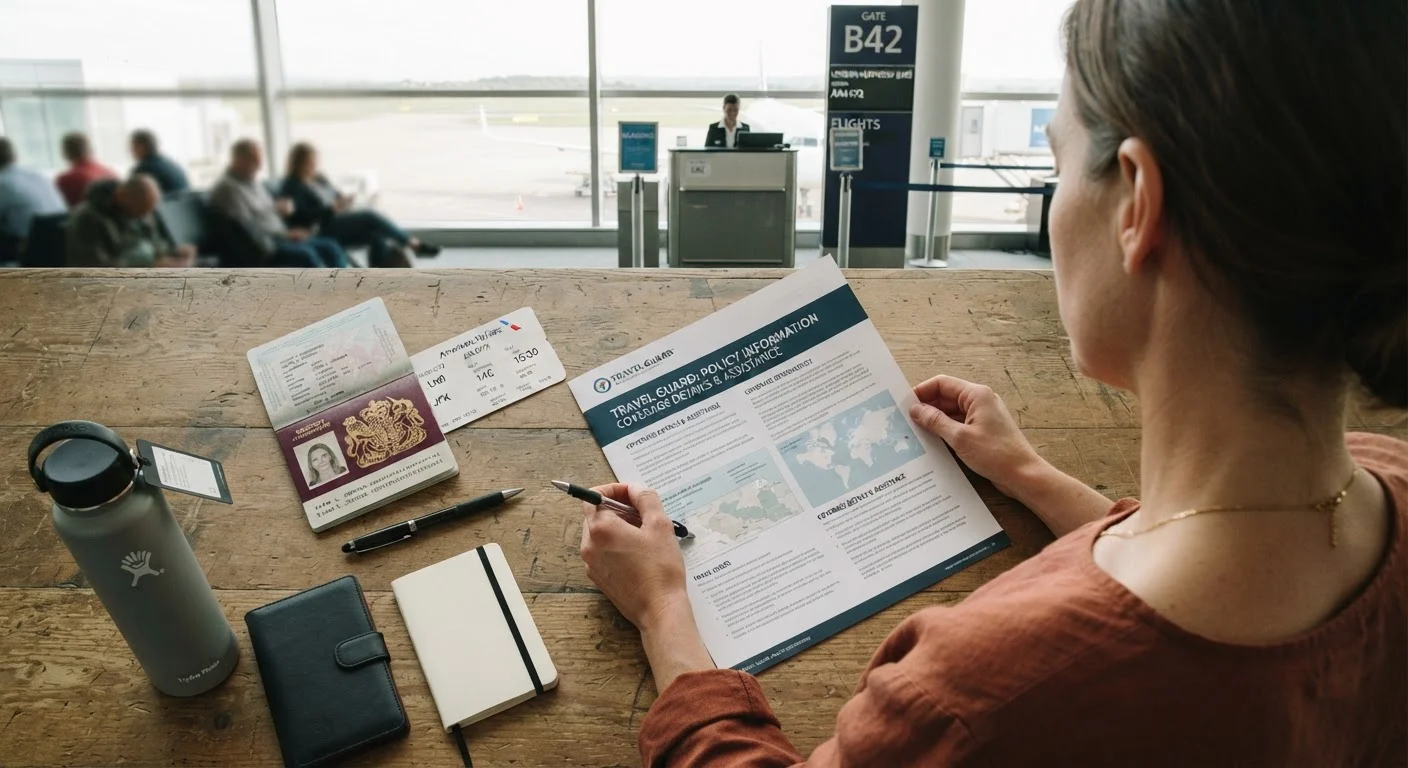
The Core Coverages Most Policies Include
Travel insurance is typically bundled into a comprehensive policy that combines several distinct protections. Understanding each layer separately helps you judge whether a policy actually fits your trip.
Trip Cancellation and Interruption
This is the most commonly used benefit. Trip cancellation reimburses prepaid, non-refundable costs if you cancel before departure for a covered reason. Trip interruption covers the same costs if you must cut a trip short mid-travel. Covered reasons are defined explicitly in the policy and typically include: sudden illness or injury to you or a traveling companion, death of a family member, severe weather making your destination inaccessible, and jury duty or military deployment. If your reason isn't on the list, the claim will likely be denied.
Emergency Medical and Evacuation
This is arguably the most financially critical coverage for international travelers. U.S. health insurance plans—including Medicare—generally do not cover medical expenses abroad. Emergency medical benefits pay for hospital stays, physician fees, and treatment costs up to the policy limit. Medical evacuation, which can cost tens of thousands of dollars for a flight home from a remote location, is typically covered separately with its own limit. Check both figures carefully.
Baggage Loss and Delay
Baggage coverage reimburses you for lost, stolen, or damaged luggage—but only after the airline's own liability has been exhausted, and usually with per-item sub-limits. A $2,500 policy limit may only pay $300–$500 for a single electronics item. Baggage delay benefits are separate and reimburse essential purchases (clothing, toiletries) when bags are delayed beyond a set number of hours, commonly six.
Buy Coverage Shortly After Your First Deposit
Many time-sensitive benefits—including pre-existing condition waivers and Cancel For Any Reason add-ons—must be purchased within 10 to 21 days of your initial trip deposit. Waiting until the week before departure often means those options are no longer available. Make purchasing insurance part of your booking routine, not an afterthought.
Common Exclusions Travelers Miss
Reading the exclusions section of any travel insurance policy is just as important as reading what's covered. Several categories catch travelers off guard.
Pre-Existing Medical Conditions
Most policies define a look-back period—typically 60 to 180 days before the purchase date—and exclude any condition that was treated, diagnosed, or showed symptoms during that window. A pre-existing condition waiver can remove this exclusion, but it must usually be purchased within days of your initial trip deposit. Missing that window often means the waiver option is no longer available.
Known Events and Foreseeable Risks
Once a storm is named, an airline declares a strike, or a government issues a travel advisory, that event is considered "known" and cancellations tied to it may no longer be covered under standard policies. This is a common source of denied claims.
Risky Activities and Alcohol-Related Incidents
Injuries sustained during adventure sports, off-road vehicle use, or incidents involving alcohol intoxication are frequently excluded. Some policies add adventure sports riders, but these must be selected at purchase.
Changing Your Mind
Standard cancellation coverage does not cover voluntary cancellation—deciding you'd rather not travel is not a covered reason. Cancel For Any Reason (CFAR) coverage addresses this gap but reimburses only a portion of costs and must be purchased early. Budget travelers should weigh the added premium cost against the partial reimbursement ceiling. These types of costs can compound other overlooked travel expenses that quietly grow throughout trip planning.
$50,000+
Typical cost of emergency medical evacuation
Industry estimates from travel insurance providers suggest air ambulance costs can exceed $50,000 from many international destinations, a cost standard health plans rarely cover abroad.
50–75%
Typical CFAR reimbursement rate
Cancel For Any Reason policies generally reimburse between 50% and 75% of insured trip costs, depending on the policy terms and the insurer.
~10–12%
Estimated share of travelers who purchase travel insurance
Estimates from travel industry research suggest only a minority of American leisure travelers consistently purchase travel insurance, leaving many exposed to significant financial risk.
How to Evaluate a Policy Before You Buy
The right approach is to match policy features to your specific trip's risk profile—not simply buy the least expensive option.
- Calculate what you'd actually lose. Add up all non-refundable, prepaid costs: flights, hotels, tours. That number is your minimum cancellation coverage need.
- Check medical limits for your destination. Medical care costs vary dramatically by country. A low medical limit may leave significant out-of-pocket exposure in destinations with high healthcare costs.
- Read the definitions section. Terms like "family member," "traveling companion," and "covered reason" are defined specifically within each policy and may differ from common usage.
- Compare the coverage period. Some policies activate only from your departure date; others cover cancellations from the day of purchase. Purchase date coverage matters if your trip could be disrupted before you leave.
- Review what your existing coverage provides. Credit cards, health plans, and homeowners or renters policies may already cover some risks. Understanding overlaps prevents paying twice for the same protection. This parallels advice in our guide on what renters insurance actually covers.
“The most common mistake travelers make with insurance is assuming that because they bought a policy, everything is covered. The exclusions section is where policies are won and lost.”
— Squaremouth Consumer Research Team, Travel insurance comparison and consumer research organization
This article is for general informational purposes only and does not constitute insurance, financial, or legal advice. Coverage terms, exclusions, and eligibility vary by policy and insurer. Always read the full policy documents and consult a licensed insurance professional for guidance specific to your situation. For entry requirements, safety advisories, and health recommendations, verify current information with official government sources before traveling.