
Why Responsible Borrowing Is a Skill, Not Just a Habit
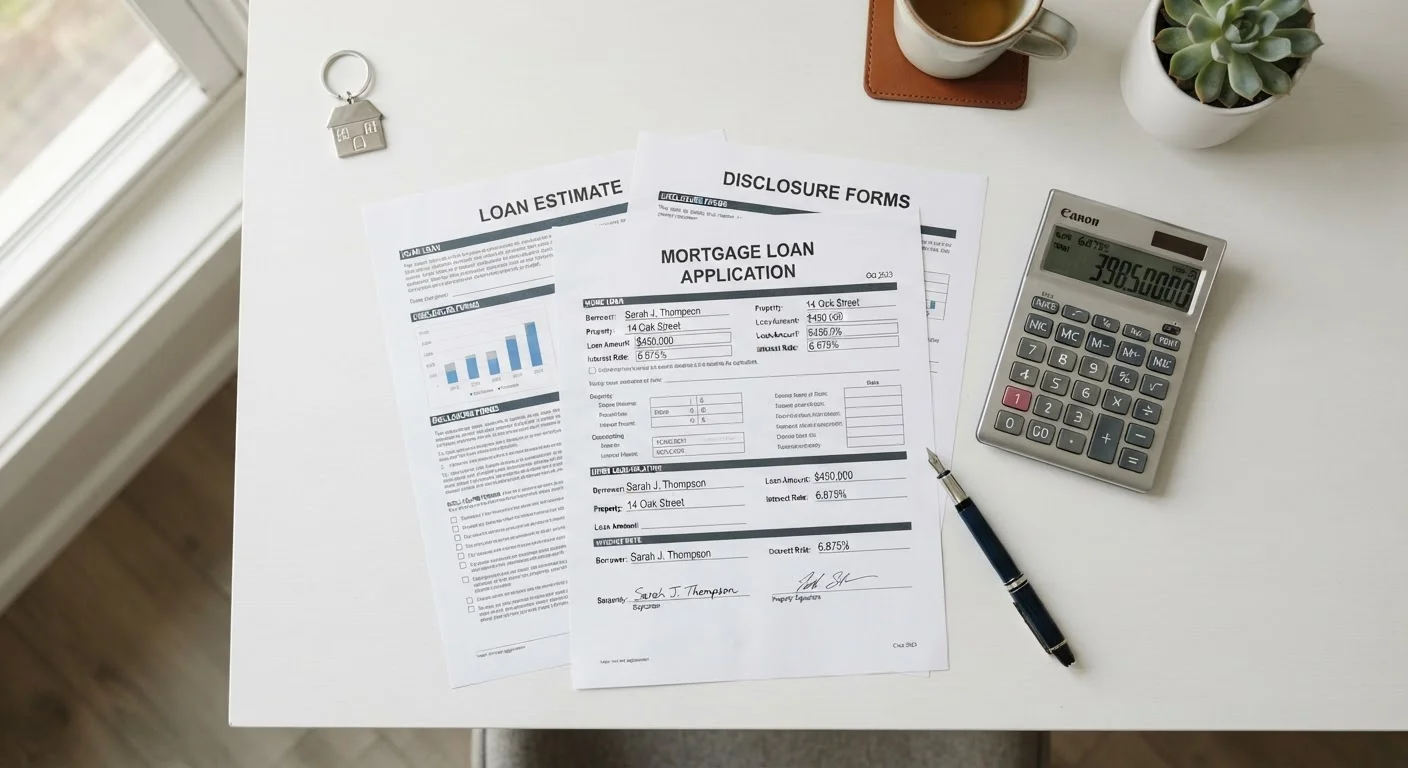
Most people think of debt management as a simple matter of making payments on time. In reality, responsible borrowing involves a broader set of decisions — from choosing the right type of debt to understanding how it interacts with your overall budget. Before taking on any loan or credit obligation, it's worth reviewing the full landscape of how credit works. Our overview of credit and debt concepts provides a solid starting point.
The goal isn't to avoid debt entirely. Mortgages, student loans, and strategic credit card use can all serve legitimate financial purposes. The goal is to borrow in a way that builds — rather than erodes — your long-term financial health.
Know Your Numbers Before You Borrow
Two metrics matter most before taking on new debt: your debt-to-income ratio (DTI) and your credit utilization rate. DTI compares your total monthly debt payments to your gross monthly income. Most lenders prefer a DTI below 36%, though thresholds vary by loan type. A high DTI signals financial strain — even if you've never missed a payment. Learn more about how this ratio affects your options in our article on DTI and borrowing power.
Credit utilization — how much of your available revolving credit you're using — is the second critical number. FICO scoring models generally reward keeping utilization below 30%. Borrowing up to your credit limit, even if you pay it off monthly, can signal risk to lenders.
Practices That Keep Debt From Becoming a Burden
The difference between debt that serves you and debt that controls you often comes down to a handful of consistent habits. These aren't abstract principles — they're concrete behaviors that reduce interest costs, protect your credit profile, and keep your financial plan intact.
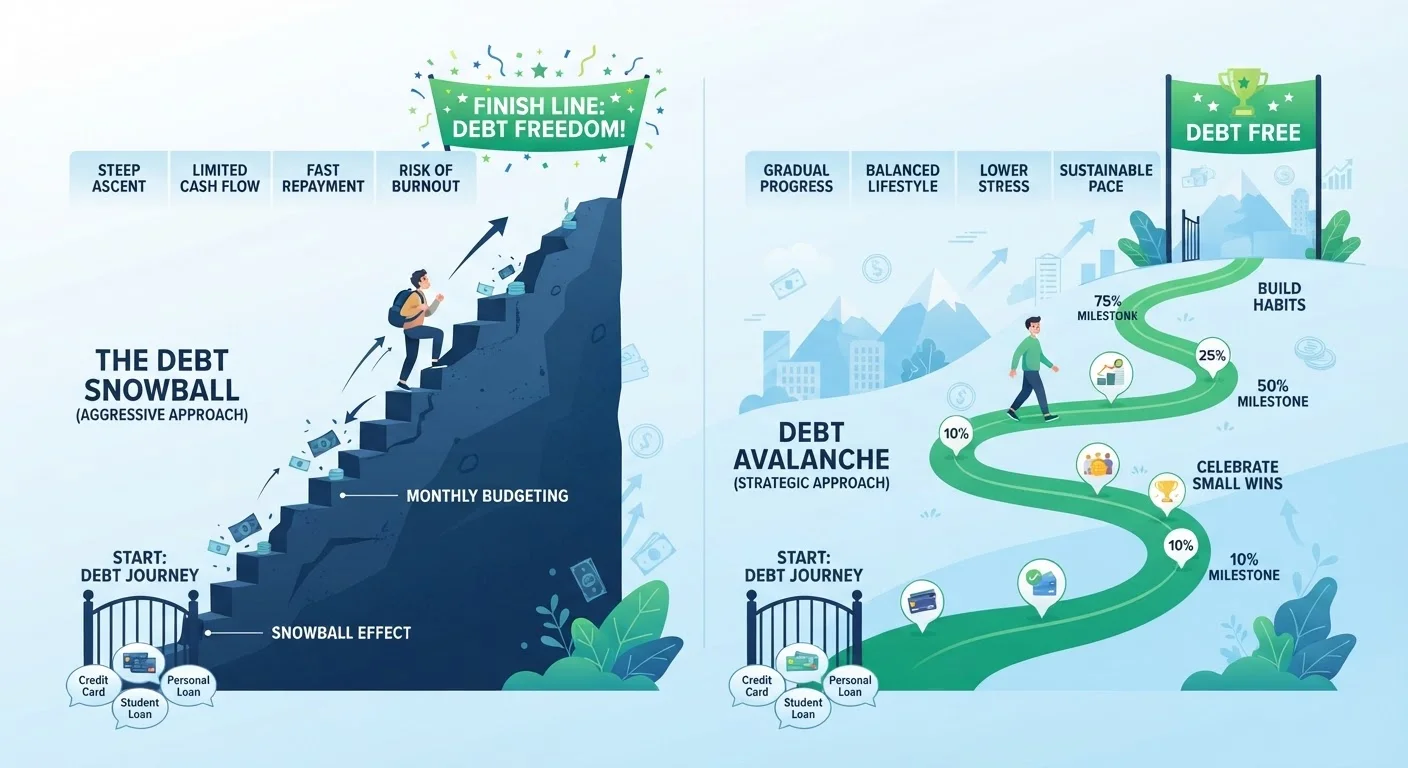
For readers who carry multiple balances, pairing these habits with a structured repayment strategy makes a measurable difference. Our comparison of the debt avalanche and debt snowball methods breaks down which approach works best in different situations.
Build a Buffer So Debt Isn't Your Default Emergency Plan
One of the most common reasons people fall into high-interest debt is a lack of liquid savings. When an unexpected car repair or medical bill arrives, a credit card often becomes the only available option — and carrying that balance at 20%+ APR can quickly compound the problem.
Building even a modest emergency fund — many financial frameworks suggest starting with $1,000 before working toward three to six months of expenses — significantly reduces the likelihood that a single setback triggers a debt spiral. Our saving and emergency funds resource hub covers practical strategies for building this buffer, even on a tight income.
It's also worth revisiting your budget regularly to make sure debt payments are accounted for alongside essential expenses. If you've struggled to start a budget, it may be because of misconceptions about what budgeting requires — the article on common budgeting myths addresses those directly.
This article is for general informational purposes only and does not constitute personalized financial, legal, or tax advice. Readers should consult a qualified financial professional before making decisions about their specific borrowing or debt management situation.