What Is Separation Anxiety in Pets?
Separation anxiety is a behavioral condition in which a pet experiences significant distress when left alone or separated from a specific person or group. It's not a personality quirk or a sign of a spoiled animal — it reflects a genuine emotional state rooted in fear and insecurity.
The term is most often applied to dogs, but cats can experience it too, though they tend to express it more subtly. Understanding your pet's body language is essential for catching signs early, before they escalate into destructive or harmful patterns.
It's worth distinguishing true separation anxiety from milder boredom or under-stimulation. A dog that chews furniture only occasionally when alone may simply need more exercise or enrichment. True separation anxiety typically involves distress that starts within minutes of departure and follows a predictable, intense pattern.
How to Recognize the Signs
The signals look different across species, and even across individual animals. Here's what to watch for:
In Dogs
- Vocalization: Howling, whining, or barking shortly after you leave (neighbors may report this).
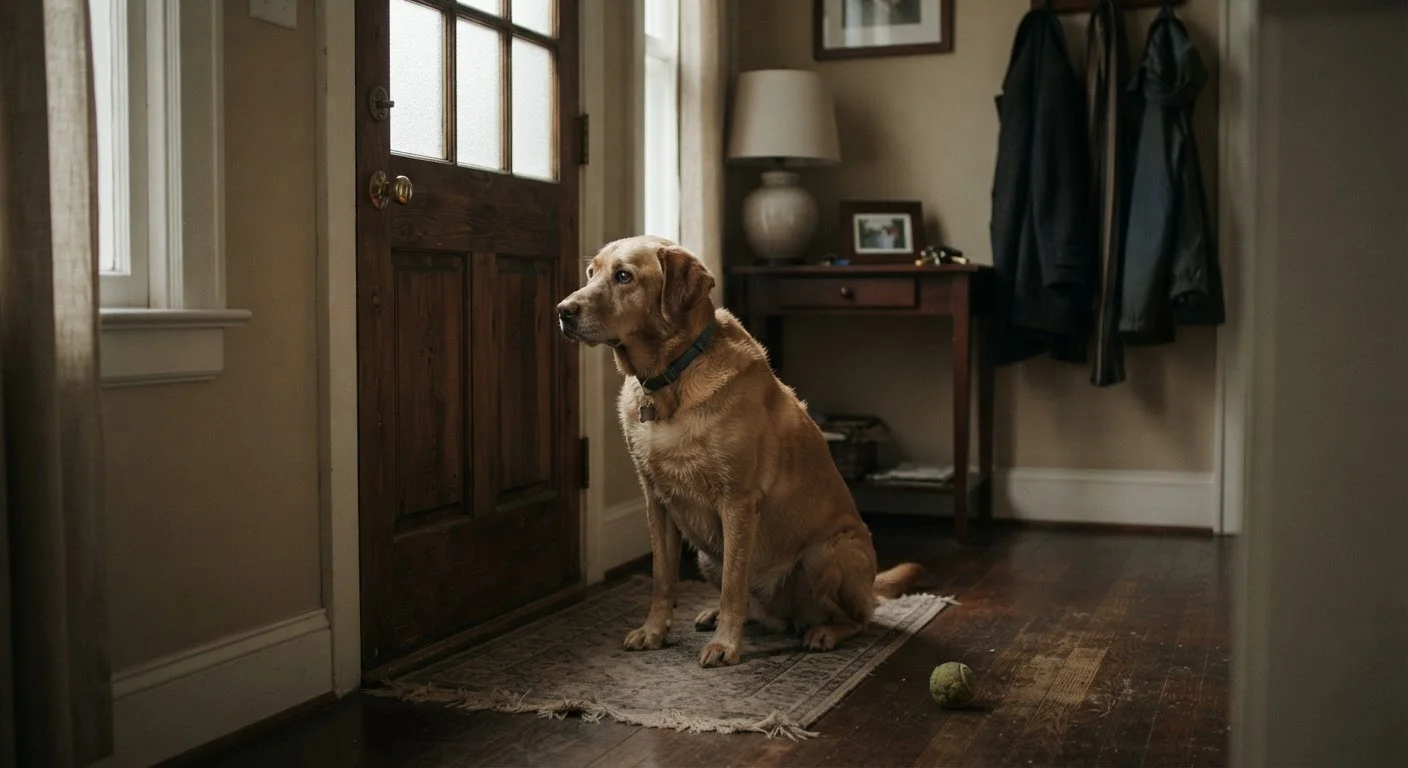
- Destructive behavior: Chewing door frames, window sills, or belongings — often exit points from the home.
- House soiling: Accidents from a house-trained dog, especially near doors.
- Pacing or restlessness: Visible on home cameras as repetitive movement patterns.
- Excessive greeting: Frantic, prolonged excitement when you return, beyond normal enthusiasm.
In Cats
- Over-grooming: Patches of thinned or missing fur, often on the belly or inner legs.
- Litter box avoidance: Eliminating outside the box, particularly on owner's belongings.
- Reduced appetite: Eating less or not at all while alone.
- Attention-seeking spikes: Unusually clingy behavior before and after your absences.
Some of these signs — like house soiling or appetite loss — can also indicate physical illness. Always rule out medical causes first. Our guide to signs your pet may be in pain can help you identify when something physical might be at play.
Set up a pet camera before starting desensitization training. Watching actual footage of your pet's behavior during absences gives you accurate data — not guesswork — about when distress begins and how severe it really is.
Many owners underestimate or overestimate their pet's response when alone. Direct observation allows you to calibrate your training steps accurately and track genuine progress over time.
Keep your arrivals and departures low-key — no dramatic goodbyes or enthusiastic greetings. Calm, matter-of-fact transitions help signal to your pet that alone time is an ordinary, unremarkable event.
Emotionally charged comings and goings can inadvertently amplify a pet's anticipatory anxiety. Research in canine behavior suggests that owner departure style influences how quickly dogs settle after being left alone.
What Actually Causes It
Separation anxiety rarely has a single cause. It typically emerges from a combination of temperament, history, and environment. Common contributing factors include:
- Sudden schedule changes: A pet accustomed to constant human presence — such as during a prolonged period of remote work — may struggle sharply when routines shift.
- Rehoming or shelter history: Animals who have experienced abandonment or multiple placements are at higher risk.
- Lack of early independence training: Puppies and kittens never taught to tolerate alone time often carry that difficulty into adulthood.
- Over-attachment to one person: Some pets bond so intensely to a single household member that even their brief absences trigger distress.
- Genetics and breed predisposition: Certain dog breeds — particularly those bred for close human collaboration — show higher rates of anxiety-related behaviors.
Life transitions can also be triggers. A new pet's first week at home is a period of heightened vulnerability, and how that week is handled can shape long-term attachment patterns. Similarly, adding another animal to the home changes social dynamics in ways that can either help or worsen anxiety — as explored in our article on introducing a second pet.
Evidence-Backed Strategies That Help
The good news: separation anxiety responds well to consistent, patient intervention. These approaches have the strongest support from animal behavior research:
Gradual Desensitization
This is the cornerstone of treatment. The idea is to repeatedly expose your pet to departure cues — picking up keys, putting on shoes, grabbing a bag — without actually leaving. Over time, those cues lose their predictive power. When you do leave, start with very short absences (even 30 seconds) and build up duration gradually only after the pet is calm at each level.
Counter-Conditioning
Pair your departures with something the pet genuinely enjoys — a food puzzle, a stuffed toy, or a special treat reserved only for alone time. The goal is to shift the emotional association from dread to mild anticipation.
Avoid Punishing Anxious Behavior
Destructive or vocal behaviors driven by anxiety are not willful misbehavior. Punishment increases stress and typically worsens the underlying condition.
Establish Predictable Routines
Pets are highly attuned to patterns. Consistent departure and return times reduce unpredictability, which is itself a source of anxiety.
Enrich the Environment
Puzzle feeders, window perches, calming music, and safe chew items give pets constructive outlets during alone time. For dogs especially, adequate physical exercise before a solo period can meaningfully reduce baseline anxiety.
When to Involve a Veterinarian or Behaviorist
Behavioral strategies work for many pets, but they take time — often weeks to months of consistent effort. If your pet's distress is severe, if self-injury is occurring, or if you've made sustained effort without meaningful improvement, it's time to bring in professional support.
A veterinarian can rule out underlying medical contributors (pain, neurological issues, or hormonal imbalances can all alter behavior) and, where appropriate, discuss whether anti-anxiety medications might support behavioral therapy. Medication is not a shortcut; it works best as a tool that lowers the anxiety floor enough for behavioral training to take hold.
A certified applied animal behaviorist (CAAB) or a veterinary behaviorist (Dip ACVB) can design a structured behavior modification plan tailored to your specific pet. These professionals are distinct from general trainers, and the distinction matters for clinical-level anxiety cases.
Understanding the full picture of your pet's emotional life — from how they communicate discomfort to how they respond to social change — puts you in a much stronger position to help them. Start with the basics of reading your pet's body language and build from there.
This article provides general educational information about pet behavior and is not a substitute for professional veterinary or behavioral advice. If your pet is showing signs of significant distress, consult a licensed veterinarian or certified animal behaviorist.