
Before Your Pet Arrives
The work of a successful first week begins before your pet ever crosses the threshold. If you haven't already reviewed this readiness checklist for first-time owners, it's worth a look — it covers lifestyle and home considerations that directly affect how smoothly the transition goes.
Before arrival, designate a single safe room or quiet zone: a spare bathroom, a sectioned-off corner of the living room, a bedroom. Stock it with water, food, a bed or hiding spot (cats especially need an enclosed space), and an appropriately sized litter box or puppy pad. Remove loose cables, small swallowable objects, and toxic houseplants from any accessible area.
Safe room
A small, enclosed space set aside for a new pet to decompress in — free from heavy foot traffic, loud noise, and unfamiliar animals. It gives the pet a controllable environment while they adjust.
Stress behaviors
Actions like hiding, panting, excessive vocalization, or reduced appetite that animals exhibit when they feel anxious or overwhelmed. These are normal short-term responses to a new environment.
Food transition
The gradual process of switching a pet from one diet to another by slowly blending the old and new foods over 7–10 days, reducing the risk of digestive upset.
Resource guarding
When a pet protects food, toys, or space from other animals or people by growling, stiffening, or snapping. It's a natural survival instinct that can escalate if not managed carefully.
Scent introduction
A method of introducing pets to each other using smell before visual or physical contact — such as swapping bedding between animals — to reduce territorial aggression.
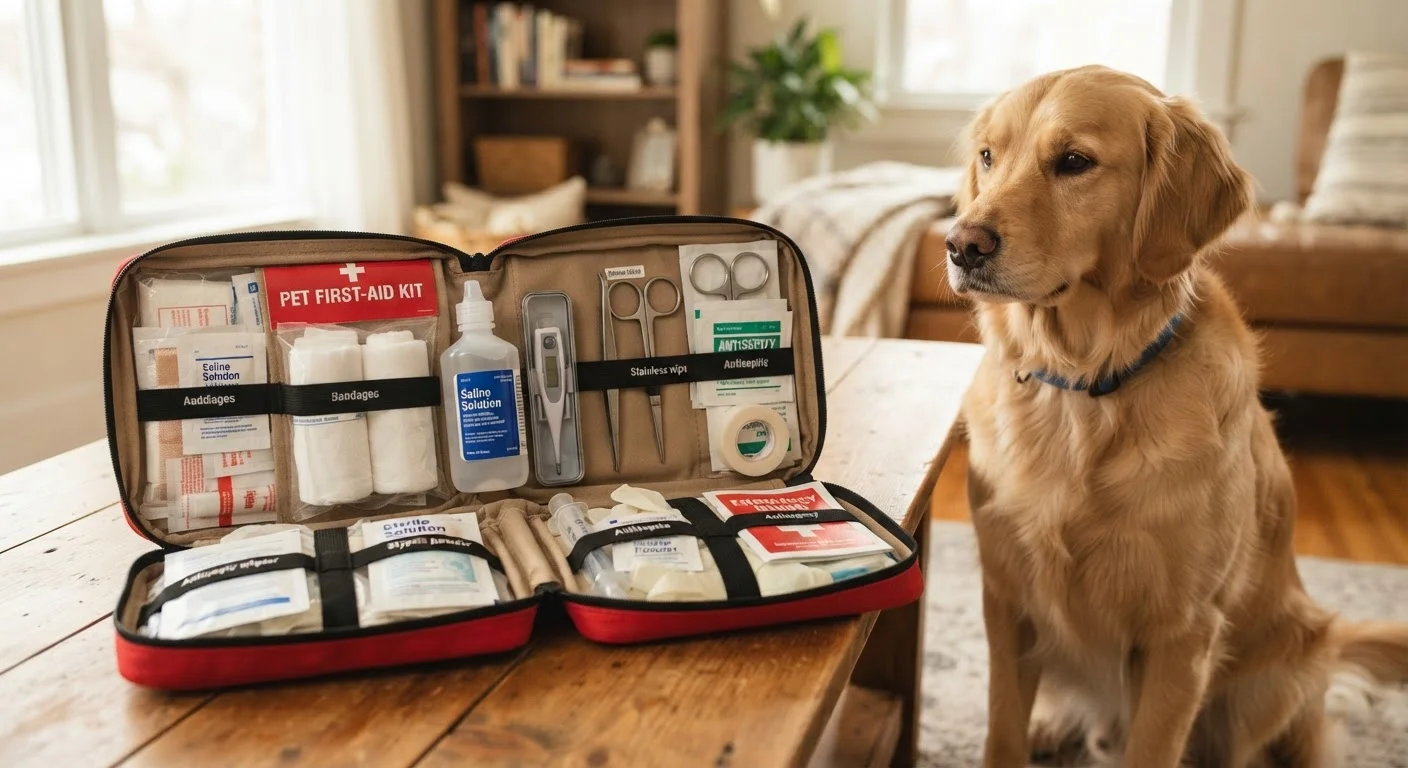
Also assemble a basic first-aid kit. Our guide to building a pet first-aid kit explains what to keep on hand before you can reach a veterinarian.
Day One: The Arrival
Resist the urge to invite friends and family over to meet the new arrival immediately. For most animals, the first 24 hours should be calm and low-stimulus. Carry cats indoors in their carrier and open it in the safe room, letting them exit on their own timeline. Walk dogs directly to a designated potty spot before bringing them inside.
Introduce yourself with quiet presence rather than reaching out or picking up the animal. Let the pet approach you. Speak in a low, even tone. Small animals like rabbits, guinea pigs, and hamsters should be left largely undisturbed for the first several hours — handling too soon causes acute stress in prey species.
Keep existing pets separated at first. A controlled, scent-based introduction over several days is far more effective than a face-to-face meeting on day one. For more detail on managing multi-pet households, see what research says about introducing a second pet.
Feeding and Routine in the First Week
Ask your shelter, rescue, or breeder what food the animal was eating and at what times. Replicate that schedule as closely as possible during week one. If you plan to switch foods, do it gradually: mix 25% new food with 75% old food for a few days, then 50/50, and so on over 7–10 days. Abrupt changes are the most common cause of diarrhea and vomiting in newly homed pets.
Fresh water should always be available. For cats, placing the water bowl away from the food bowl can encourage better hydration — cats instinctively prefer water sources that aren't near potential food contamination.
Set Meal Times Before Day One
Decide on feeding times before your pet arrives and commit to them from day one. Animals — especially dogs and rabbits — regulate stress hormones in part through predictable daily schedules. Even a rough two-times-daily routine dramatically reduces anxious behavior in the first week.
Consistent meal times matter as much as consistent food. Feeding at the same times each day anchors your pet's internal clock and reduces anxious anticipatory behavior. This is equally true for dogs, cats, rabbits, and birds. Understand the full daily investment different species require at the true time commitment behind common household pets.
Reading Early Behaviors
During week one, pets communicate a great deal through body language and behavior — much of it easily misread. Hiding is not rejection; it's a coping strategy. A cat wedged behind the dryer is managing stress, not declaring war. A dog that whimpers at night is experiencing separation anxiety, not misbehaving. For puppies specifically, this guide to first puppy behaviors breaks down what nipping, whimpering, and circling actually signal.
Signs that a pet is beginning to settle include: voluntarily emerging from hiding, accepting food, making eye contact, and initiating low-key social contact. Do not rush these milestones. Forcing interaction before an animal is ready can set back trust-building by days or weeks.
If you have other animals at home, monitor for resource guarding around food and water stations. Separate bowls in different locations are generally safer than shared feeding areas during the adjustment period. More on how animals socially adjust is covered at the Pet Behavior hub.
When to Call the Vet
Schedule a baseline wellness exam within the first seven days regardless of whether your pet came with veterinary records. This visit establishes your pet's starting health profile and gives you a direct line to professional guidance during the adjustment period.
Contact a veterinarian promptly if you observe any of the following: complete refusal to eat or drink for more than 48 hours; persistent vomiting or diarrhea; obvious difficulty breathing; lethargy so severe the animal won't move; wounds, swelling, or signs of pain; or any symptom that seems acutely wrong to you. Trust your instincts — you're the one watching the animal closely.
Mild loose stool in the first two to three days is common and often stress-related. It typically resolves as the pet settles and the diet stabilizes. Bright red blood in stool, however, warrants same-day veterinary attention.
This article provides general pet care information for educational purposes. It is not a substitute for professional veterinary advice, diagnosis, or treatment. Always consult a licensed veterinarian for concerns about your specific animal's health.