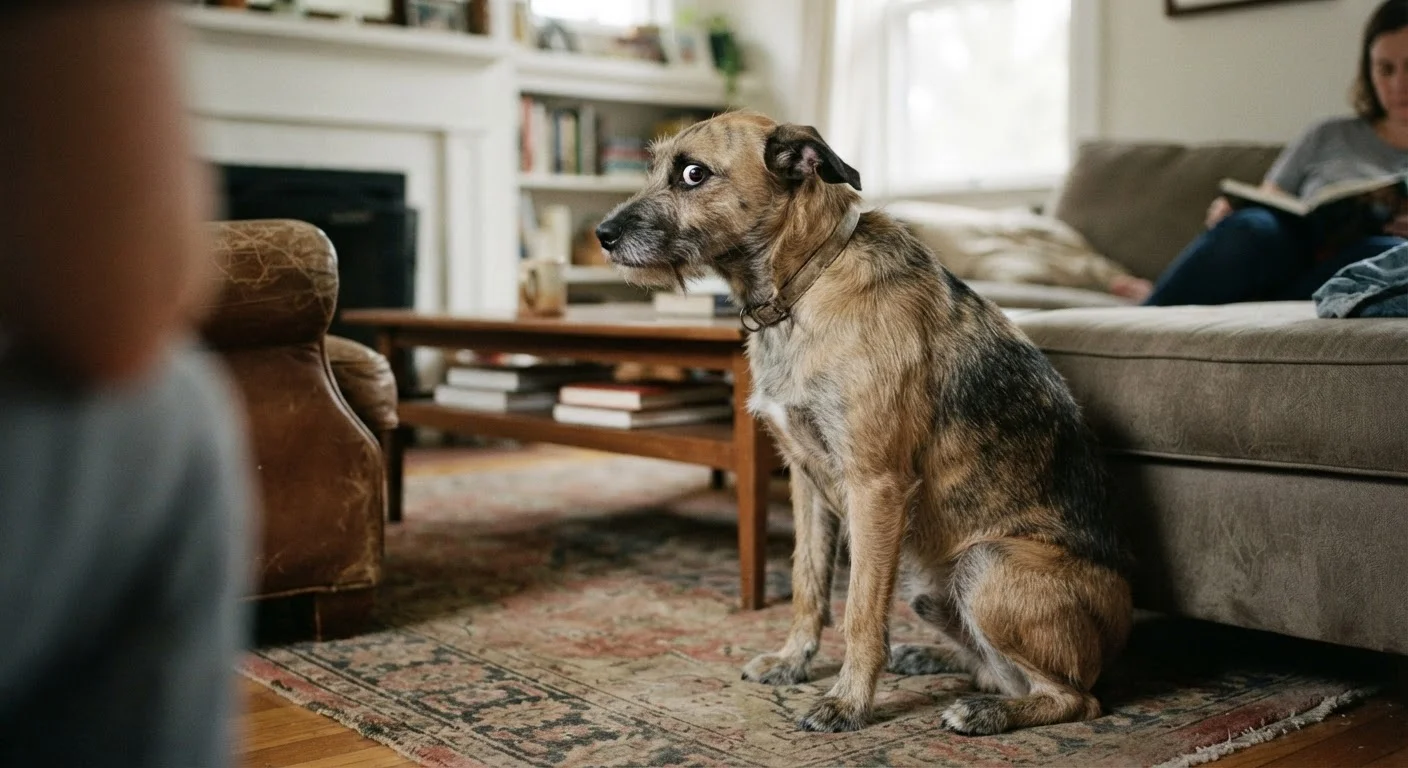

Why the First Weeks Matter So Much
Bringing a puppy home means stepping into a relationship that's already full of communication — you just need the decoder ring. Those first weeks aren't simply an adjustment period; they overlap with one of the most important developmental windows in a dog's life: the socialization period, which animal behaviorists generally place between 3 and 14 weeks of age.
During this window, puppies are forming their baseline understanding of what is safe, who is trustworthy, and how the world works. Every experience — positive or stressful — leaves a deeper imprint than it will at any later stage. That's why reading your puppy's early signals accurately isn't just sweet; it's strategically important for the animal's long-term temperament and your bond together.
See our guide to your new pet's first week at home for practical preparation steps that set this period up for success.
Socialization period
A developmental window, roughly 3 to 14 weeks of age, when puppies are most open to forming lasting positive associations with people, animals, and environments.
Bite inhibition
A learned ability to control the pressure of a bite. Puppies develop this through play with littermates and through consistent feedback from their human family.
Play bow
A body posture where a dog lowers its front end while keeping its rear up, used as a clear social signal inviting play. It indicates a relaxed, friendly intent.
Stress signals
Subtle physical cues — such as yawning, lip licking, or showing the whites of the eyes — that indicate a dog is feeling overwhelmed or anxious rather than physically tired.
Exploratory mouthing
Normal behavior in young puppies who use their mouths to investigate objects, textures, and social partners — similar to how human infants use their hands to learn.
What Whimpering and Crying Are Telling You
A puppy that whimpers at night is not being manipulative — it's reporting a real emotional state. Before arriving in your home, your puppy slept in a warm pile of siblings, always within earshot of its mother. Suddenly, that entire sensory world is gone. Crying is the natural response to that loss.
Common triggers for vocal distress include:
- Isolation: Being alone in a crate or room for the first time
- Hunger or thirst: Basic needs still unmet
- Needing to eliminate: Puppies often cry when they need to go out at night
- Discomfort or illness: Pain can express as persistent, inconsolable whining
Responding calmly and consistently — rather than either ignoring or over-coddling — helps your puppy learn that the environment is reliable. A warm blanket, a low-volume radio, or a ticking clock near their sleeping space can mimic some of the sensory comfort of the litter.
Decoding Nipping and Mouthing
New puppy owners are often startled by how much their dog bites. The instinct is to treat it as aggression — but in almost every case in a young puppy, it is simply exploratory play behavior. Puppies use their mouths the way human infants use their hands.
In the litter, puppies bite each other constantly. When a bite is too hard, the bitten pup yelps and play stops — this is how bite inhibition (learning to control mouth pressure) develops naturally. In your home, you take over that teaching role.
Effective responses to nipping include:
- Redirect immediately to an appropriate chew toy
- If biting continues, calmly end play by turning away or briefly leaving the room
- Avoid rough play that excites biting further, like hand-wrestling or pushing the puppy's face
What nipping is not telling you: that your dog is aggressive, dominant, or destined to be a problem. Consistent redirection during this phase pays significant dividends. For context on what escalating aggression actually looks like in older dogs, see reading aggression in dogs before it escalates.
Hiding, Freezing, and Startling
A puppy that retreats under the couch or startles at everyday sounds is not broken — it is being appropriately cautious in an unfamiliar environment. Hiding and freezing are self-protective behaviors, not permanent personality flaws.
The key distinction to watch is whether these behaviors decrease over a few days as your puppy settles in. Most puppies become noticeably more exploratory within 48 to 72 hours when the environment is calm and people approach gently. If hiding and reluctance to engage persist or worsen after the first week, that's worth noting and discussing with a veterinarian or certified behaviorist.
Common triggers for fearful behavior in this phase include loud noises, unfamiliar people approaching too quickly, children moving erratically, or being picked up without warning. Giving your puppy the ability to approach on its own terms — crouching down, letting it sniff before touching — builds confidence far faster than forcing interaction.
Playful Behaviors Worth Encouraging
Not every early behavior is a puzzle to solve — some are simply your puppy thriving. The play bow (front end low, rear end up, tail wagging) is one of the clearest invitations a dog can offer. Responding to it with gentle play teaches your puppy that you're a safe and rewarding social partner.
Other positive early signals include:
- Loose, wiggly body movement when approaching you
- Following you from room to room (early attachment formation)
- Soft eyes and relaxed ears during handling
- Bringing objects to you, even haphazardly
These behaviors are your puppy's way of saying it feels safe enough to engage. Reinforcing them with calm praise and play builds the social bond that makes all future training easier. Understanding these gestures is also the first step toward a broader skill — our guide on reading your pet's body language goes deeper into posture, tail position, and ear angles across your dog's life.
When to Take Behavior Seriously
Most early puppy behaviors normalize within the first two weeks. But some patterns are worth acting on rather than waiting out:
- Refusing food for more than 24 hours — can indicate illness, not just nerves
- Persistent diarrhea or vomiting — puppies dehydrate quickly; contact a vet promptly
- Extreme, inconsolable fear responses that don't diminish after a few days
- Trembling, weakness, or uncoordinated movement — possible neurological or physical concerns
- Growling with stiff body posture when handled — distinct from play growling, and worth professional assessment
When in doubt, a phone call to your veterinarian costs nothing and offers peace of mind. Animals often mask discomfort, so trusting your instincts when something feels off is a good habit to build early. You can learn more about subtle distress signals in our article on signs your pet may be in pain.
Keep a Simple Behavior Log
During the first two weeks, jot down when your puppy eats, sleeps, eliminates, and shows any unusual behavior. This brief record makes it much easier to spot patterns — and gives your vet useful context if you need to call. Even a few notes on your phone is enough.