Why a Readiness Checklist Matters
Adopting a pet is one of the most rewarding decisions a person can make — and one of the most consequential. Animals returned to shelters within the first year are common, and the leading reasons are almost always predictable: not enough time, unexpected costs, incompatible living situations, or a mismatch between the animal's energy level and the owner's lifestyle. None of these are failures of love. They're failures of preparation.
This checklist is designed to help you pause before you fall in love with a face at the shelter or scroll through breeder photos. Work through each section honestly. Some items will confirm you're ready; others might reveal that a different species, breed, or timing makes more sense. Either outcome is a win for you and the animal.
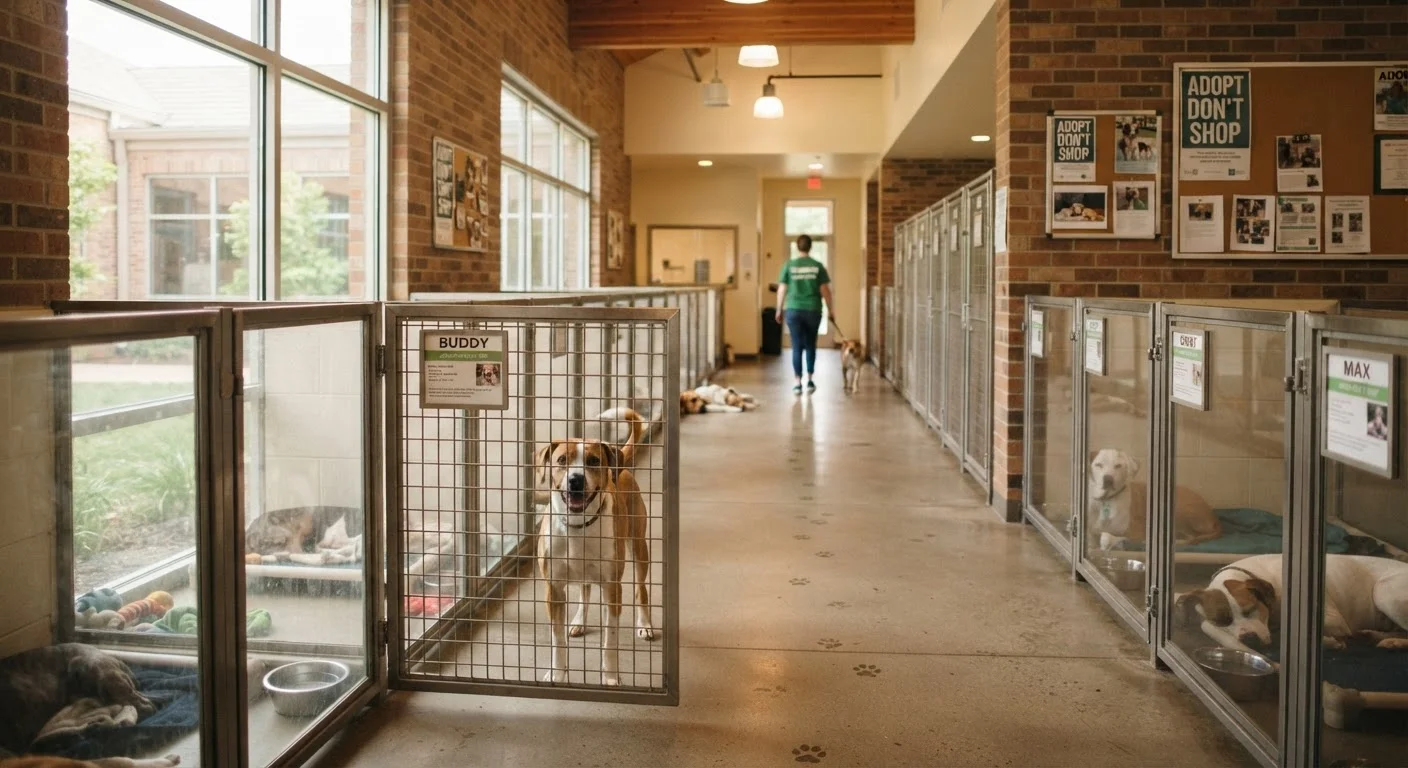
If you're still weighing where to get your pet from, our guide to shelters, rescues, and breeders walks through the real differences between your options.
Lifestyle Fit
Financial Preparedness
Home Environment
Household Readiness
Species and Source Research
What You'll Need to Work Through This Checklist
A few tools make this process more productive than a quick mental scan. Grab a notebook or open a notes app — writing your answers down forces more honest reflection than thinking through items in your head. You'll also want access to your monthly budget and, if you rent, a copy of your lease or landlord's contact information.
Notebook or Notes App
Record your honest answers to each checklist section rather than relying on memory or optimistic mental estimates.
Monthly Budget Breakdown
Identify the realistic room in your budget for ongoing pet care costs before you commit.
Lease or HOA Documents
Verify pet policies, breed restrictions, and any required deposits before you fall in love with a specific animal.
Local Shelter or Rescue Website
Research available animals, adoption requirements, and speak with counselors who can match you to a good fit.
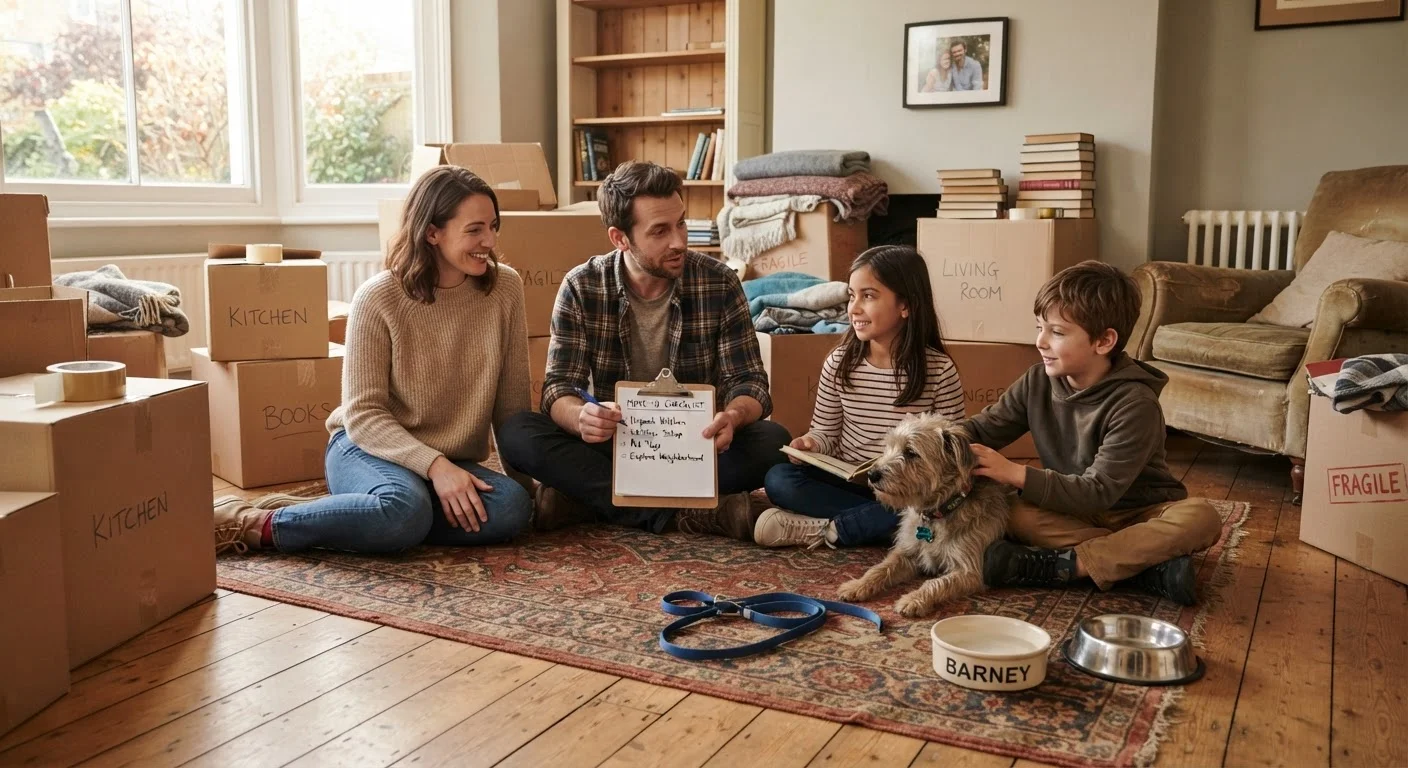
If you share your home with a partner, roommates, or children, sit down together. Adoption affects everyone in the household, and buy-in from all adults is a practical necessity, not a formality. For families with young kids, our article on raising a pet alongside young children covers the species and breed traits that matter most in a busy family home.
After the Checklist: What Comes Next
Once you've worked through all the items and feel confident in your readiness, a few practical next steps will make the transition smoother. Schedule a visit to your local shelter or reach out to a rescue organization — even before you've committed. Talking to adoption counselors often surfaces questions you hadn't thought to ask.
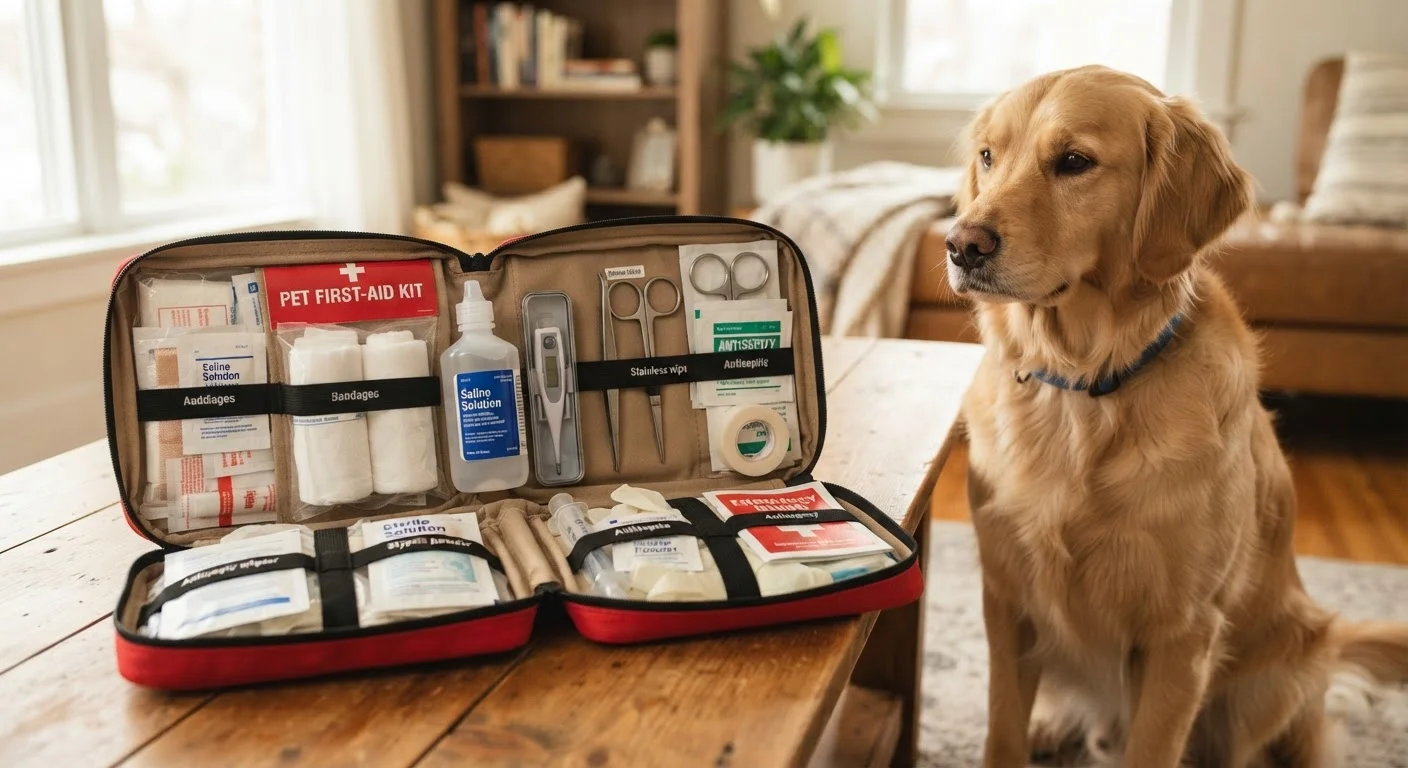
Line up a veterinarian before your pet comes home. Many clinics book new-patient appointments weeks out, and having that relationship established from day one is important. You'll also want to build a basic first-aid kit specific to your new animal — see our guide to building a pet first-aid kit for what to stock and what to skip.
Finally, bookmark our Pet Care Basics hub for ongoing guidance on feeding, grooming, preventive health, and more. Preparation doesn't end at adoption — it just shifts into a new and very rewarding phase.
Impulse Adoption Is a Risk for Everyone
Shelter visits and online listings can trigger strong emotional responses that feel like certainty. That feeling is real — but it isn't the same as readiness. Animals who are returned after adoption experience stress and setbacks that can affect their long-term behavior and adoptability. Taking a week to work through this checklist fully is a kindness to the animal, not a delay.