What Sets Each Option Apart
When you decide to bring a pet into your home, one of the earliest questions you'll face is where to find that animal. The three main paths — municipal or private shelters, breed-specific or general rescues, and licensed breeders — differ significantly in cost, process, the information they can provide, and the animals they house.
Understanding those differences isn't about ranking one option above another. It's about matching the right source to your specific circumstances. Before diving in, it's worth reading our readiness checklist for first-time pet owners to honestly assess your lifestyle before you begin the search.
| Animal Shelter | Rescue Organization | Reputable Breeder | |
|---|---|---|---|
| Typical adoption fee | $50–$200 | $100–$400 | $500–$3,000+ |
| Animal age range | All ages | All ages, often adults | Typically young/puppies |
| Behavioral history available | Limited, often unknown | Detailed via foster care | Early socialization documented |
| Breed predictability | Low — mixed breeds common | Moderate — breed-specific rescues | High — purebred lineage |
| Process complexity | Straightforward | Moderate — application required | Varies — waitlists possible |
| Includes initial vet care | Usually yes | Usually yes | Partially — varies by breeder |
| Animal welfare oversight | Regulated by local/state law | Nonprofit accountability | Varies — buyer must vet |
Animal Shelters: High Volume, High Variety
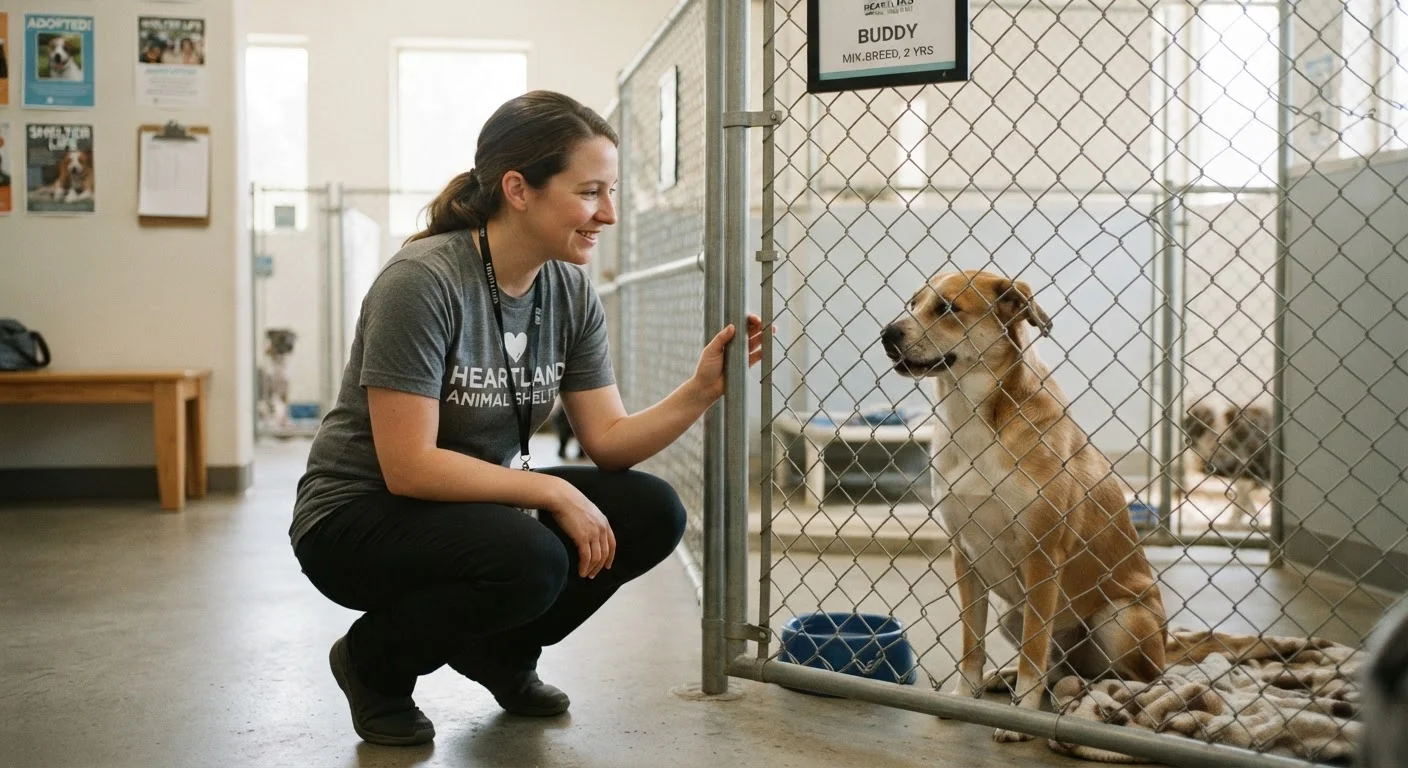
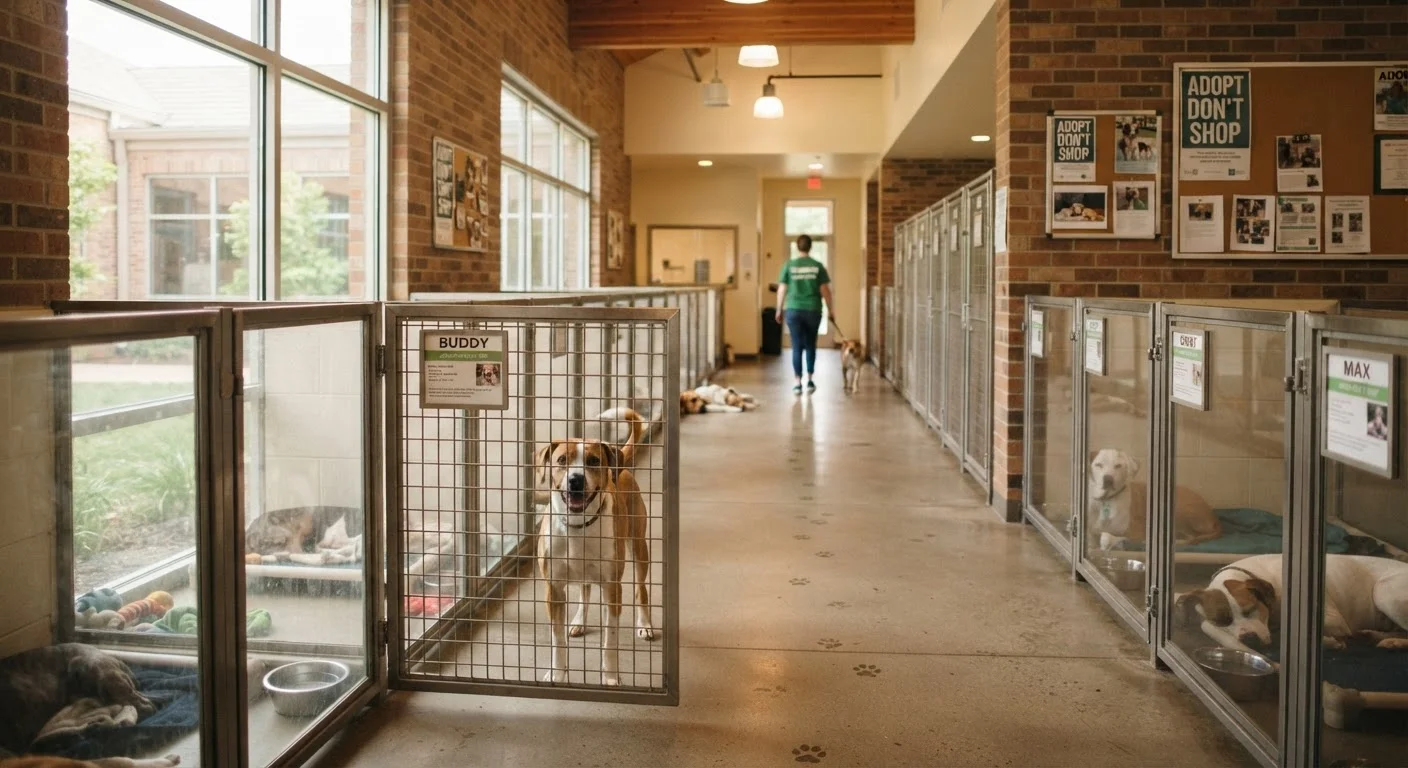
Municipal and private shelters are typically the most accessible option. They house animals surrendered by owners, found as strays, or transferred from overcrowded facilities elsewhere. The animals range from young kittens and puppies to senior dogs and cats, and often include rabbits, guinea pigs, birds, and small mammals.
What shelters do well: They maintain consistent public hours, charge modest adoption fees (which often include spay/neuter, initial vaccinations, and microchipping), and allow you to meet multiple animals in one visit. Staff and volunteers often develop a working knowledge of individual animals' personalities through daily interaction.
Where shelters have limits: Shelter environments are stressful for many animals. A dog that appears withdrawn or reactive in a kennel may behave very differently in a home setting. For more on interpreting what you observe, see our guide to reading a shelter animal's behavior before you adopt. Background history on surrendered animals can also be incomplete or unavailable.
Rescue Organizations: Focused Expertise
Rescues operate differently from shelters. Most are volunteer-run, nonprofit organizations that pull animals from shelters or owner surrenders and place them in foster homes until adoption. Some are breed-specific (Labrador rescues, Persian cat rescues); others serve a broader population but with a regional or demographic focus.
What rescues do well: Because animals live in foster homes rather than kennels, rescuers can often provide detailed behavioral observations — how the animal responds to children, other pets, loud noises, and new environments. This granular information is genuinely useful for matching an animal to the right household.
Where rescues have limits: Adoption processes can be more involved, including home visits, reference checks, and longer wait times. Fees are often higher than shelters to cover veterinary and foster care costs. Some rescues are also selective about placement criteria, which can be frustrating for applicants who feel they're being screened too rigorously.
Breeders: Predictability at a Price
A reputable breeder selectively pairs animals to produce offspring with specific physical traits, temperaments, and health profiles. The distinction between a responsible breeder and a negligent one is substantial and matters enormously for animal welfare and the buyer's experience.
What reputable breeders do well: Health testing of parent animals for genetic conditions common to the breed, early socialization of young animals, and transparency about lineage. Breed-specific predictability can be genuinely important for working-dog roles, allergy-sensitive households, or owners who need a specific energy level.
What to watch for: Breeders who don't allow facility visits, can't provide health testing documentation, or produce multiple breeds simultaneously are among the red flags that animal welfare organizations commonly cite. Purchasing from a puppy mill — even unknowingly through a third-party retailer — funds conditions widely documented as harmful to animals.
It's also important to challenge assumptions about any source. Our article on pet ownership myths addresses several misconceptions that affect how people evaluate both shelters and breeders.
Making the Decision That Fits Your Life
The most honest guidance we can offer is this: the source matters less than the match. A well-socialized shelter dog placed in the right home thrives just as well as a carefully bred puppy — and vice versa. What tends to go wrong is when the choice of source is driven by impulse, novelty, or pressure rather than realistic self-assessment.
Consider these questions before proceeding:
- How much behavioral unpredictability can you manage? Shelters offer less history; rescues and good breeders offer more.
- What's your timeline? Shelter adoptions can happen quickly; some rescues and breeders involve waitlists.
- What's your budget? Adoption fees vary widely, but first-year veterinary costs often eclipse the initial fee regardless of source.
- Do you have children or existing pets? If so, see our related guide on raising a pet alongside young children.
Spontaneous decisions — regardless of source — are among the most common reasons animals end up returned. Our piece on why impulse adoptions end in returns explains the patterns in detail and how to avoid them.