Why Pet Myths Are More Harmful Than They Seem
Most pet myths start as oversimplifications — shorthand that gets passed around until it hardens into accepted fact. The problem isn't just that they're wrong; it's that they drive real decisions. A family chooses a fish tank because they believe it's "easy." A prospective adopter skips over every senior dog in the shelter. A new cat owner assumes their independent pet needs almost no attention. These aren't harmless misunderstandings — they're the kind of thinking that leads to impulse adoptions that end in returns.
The goal here isn't to discourage pet ownership — quite the opposite. By correcting these widely held misconceptions, prospective owners can make choices that genuinely fit their lifestyle, and animals find homes that are actually prepared for them.
Myth
Fish are low-maintenance pets — perfect for beginners who don't have much time.
Fact
Aquariums require consistent water quality management, cycling, and species-appropriate environments that demand real time and knowledge.
The "fish are easy" assumption leads many first-time owners to skip essential setup steps. A healthy tank requires establishing a nitrogen cycle — a biological process that converts fish waste into less toxic compounds — which can take four to six weeks before any fish are introduced. Water temperature, pH, filtration, and tank size all vary significantly by species. A goldfish, for instance, produces far more waste than most beginners expect and can live 10–15 years with proper care. Underestimating these needs is one of the most common reasons fish die within weeks of purchase.
Myth
Older dogs from shelters can't bond with new owners or learn new routines.
Fact
Adult and senior dogs are fully capable of forming strong bonds and adapting to new homes — often more quickly than puppies.
This myth keeps many wonderful dogs in shelters far longer than necessary. While puppies require intensive socialization and training from scratch, adult dogs often already understand basic household expectations. Research in animal behavior consistently shows that dogs form attachment bonds throughout their lives, not just during a fixed early window. Senior dogs, in particular, tend to be calmer, require less active supervision, and settle into routines efficiently. The adjustment period is real but typically shorter than most prospective adopters anticipate.
Myth
Cats are fully independent and don't need much attention or interaction from their owners.
Fact
Cats are social animals with real needs for play, enrichment, and — in many cases — consistent human interaction.
Cats have a reputation for self-sufficiency that their behavior doesn't always support. While they are more tolerant of solitude than dogs, many cats develop stress-related problems — overgrooming, inappropriate elimination, and aggression — when chronically under-stimulated or isolated. Indoor cats especially need daily play sessions, vertical space to climb, and opportunities to express natural hunting behaviors. Some breeds, including Siamese and Burmese cats, are notably social and can become genuinely distressed without sufficient attention. Understanding how attachment works in companion animals helps owners recognize signs of under-enrichment in cats as well as dogs.
Myth
A purebred dog from a breeder will always be healthier and better-tempered than a shelter dog.
Fact
Purebred dogs carry breed-specific health risks, and shelter dogs vary widely in temperament — many are stable, friendly, and healthy.
This belief conflates predictability with quality. Selective breeding for appearance or specific traits has introduced inherited health problems into many popular breeds — brachycephalic (short-nosed) dogs like Bulldogs and Pugs commonly experience breathing difficulties, while large breeds like Great Danes have elevated rates of heart disease and joint problems. A responsible shelter or rescue will assess temperament and disclose known health history. Many shelter dogs come from stable backgrounds and are surrendered due to owner circumstances, not behavioral problems. Choosing a source is about fit and ethics as much as health outcomes.
Myth
Small pets like rabbits, guinea pigs, and hamsters are ideal starter pets for young children.
Fact
Small animals are often more fragile and behaviorally complex than expected, and most require adult supervision and handling.
The logic seems sound: small animal, small responsibility. In practice, many small mammals are prey species with instincts that make them easily stressed by loud noise, rough handling, or unpredictable movement — common features of a household with young children. Rabbits, for example, have fragile spines and can injure themselves if dropped or restrained incorrectly. Guinea pigs are social animals that generally thrive in pairs and need daily interaction and fresh vegetables. Hamsters are nocturnal and often prefer not to be handled during daylight hours. These animals deserve committed adult care, not to serve as practice pets.
Species and Breed Assumptions That Lead Owners Astray
Beyond individual species myths, broader assumptions about breeds and categories of animals cause persistent problems. Many people treat "breed" as a reliable personality blueprint, then feel blindsided when their dog doesn't match the description. While breed does influence tendencies — energy level, prey drive, sociability — it's not a guarantee. A Labrador Retriever can be aloof; a pit bull can be gentle. Individual history, early socialization, and environment shape behavior just as powerfully as genetics.
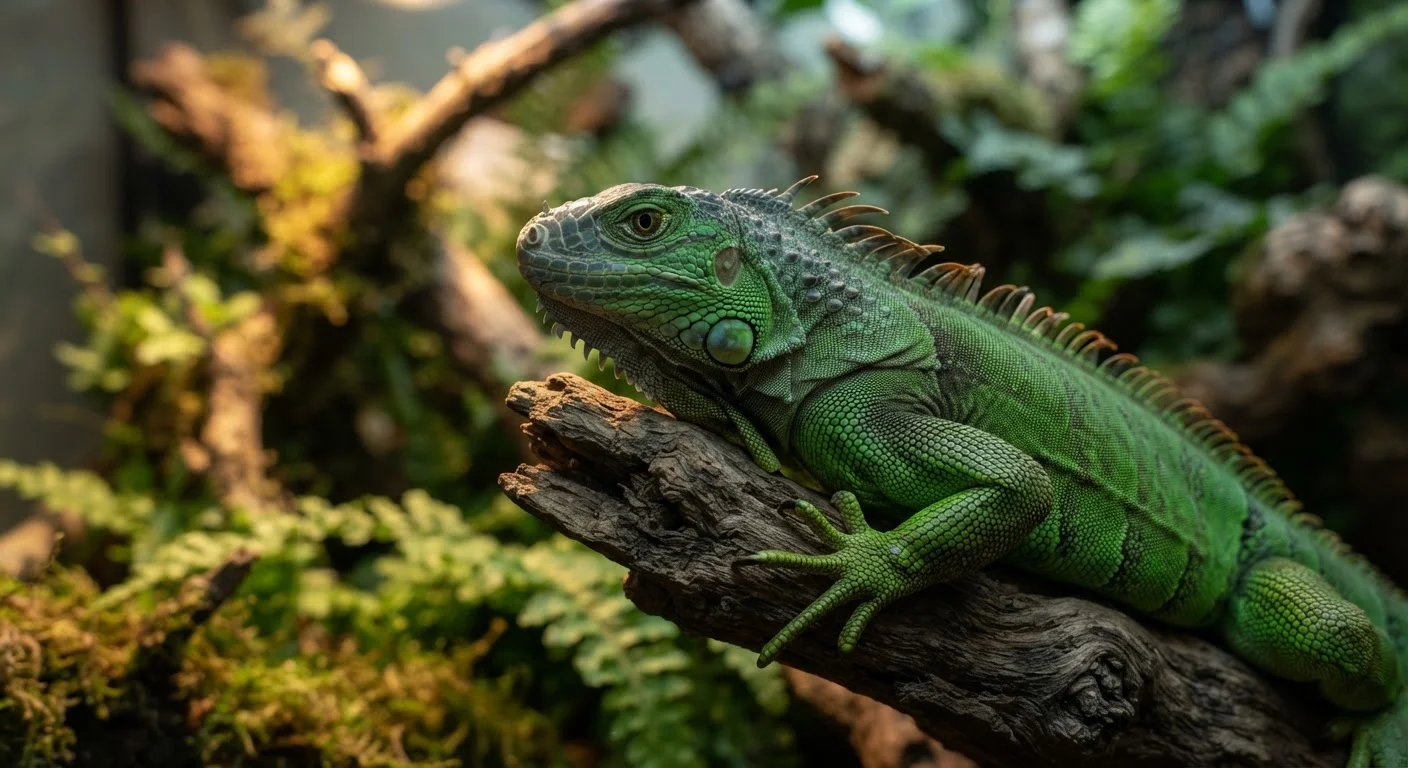
The same logic applies to "exotic" pets. Reptiles, for example, are often assumed to be hands-off companions that require little engagement. In reality, species like ball pythons, bearded dragons, and leopard geckos require carefully controlled temperature gradients, UV lighting, and varied nutrition. Our honest assessment of reptiles as pets goes deeper on what these animals actually demand.
For anyone still deciding between a purebred and a mixed-breed dog, the research on purebred vs. mixed-breed dogs offers a more nuanced picture than most breeders or shelters will present. Understanding your options — including shelter, breeder, and rescue differences — puts you in a much stronger position before committing.
Breed Labels in Shelters Are Often Inaccurate
Visual breed identification by shelter staff — and even experienced owners — has been shown in multiple studies to be unreliable. DNA testing is the only accurate method. Adopting based on an assumed breed label can lead to mismatched expectations around size, energy level, and behavior. Meet and interact with the individual animal, not just its listed breed.
Setting Yourself Up for a Successful Match
Correcting these myths isn't just academic — it's the foundation of responsible pet ownership. Before choosing any animal, it helps to honestly assess the real time commitment each species requires. Dogs need structured daily exercise and social interaction; even cats need environmental enrichment and play beyond what most owners provide.
Once an animal is home, the learning continues. Foundational topics — from understanding portion sizes to recognizing stress signals — make a significant difference in long-term outcomes for both pet and owner. Behavior myths deserve their own attention too: the most persistent pet behavior misconceptions touch on dominance theory, guilt, and communication misreads that affect everyday interactions. Decisions made on bad information — about species, breeds, or care requirements — are the most common source of mismatch. Getting the facts first gives every pet a better shot at a permanent home.