What Draws People to Reptiles — and Why It Matters
Reptiles occupy a unique space in the pet world. They're not cuddly, they rarely seek human attention, and their care requirements can be surprisingly technical. Yet millions of American households keep snakes, lizards, turtles, and geckos — and many of those owners are deeply committed enthusiasts.
The draw is real: reptiles are visually striking, behaviorally interesting, and often far longer-lived than people expect. A well-cared-for ball python can live 20 to 30 years. A red-eared slider turtle may outlive the children who grew up with it. That longevity cuts both ways — it's part of what makes them compelling, and part of what makes the decision to adopt one so significant.
Understanding what you're signing up for — honestly, without the romance of a pet store display — is the most important thing a prospective owner can do. See also common pet ownership myths that can set new reptile owners up for disappointment from day one.
The Real Advantages of Keeping Reptiles
Reptiles offer a set of genuine benefits that aren't available with most other companion animals.
Hypoallergenic: no dander or fur shedding
Reptiles are a viable option for people with pet allergies triggered by mammalian proteins. They produce no airborne dander and don't shed hair, making them one of the few pet categories that genuinely suits allergy sufferers.
Long lifespan creates a lasting relationship
Many reptiles live far longer than typical household pets — ball pythons regularly reach 20–30 years, and some tortoises live decades. For committed owners, this means a genuinely long-term companion animal.
Quiet and unobtrusive day-to-day
Reptiles don't bark, vocalize, or demand constant attention. This makes them practical for apartment living or situations where noise is a concern, and their calm presence suits observational rather than interactive ownership styles.
Scientifically fascinating biology and behavior
Watching a snake track prey by scent, observing a gecko's thermoregulation behavior, or monitoring a bearded dragon's communication displays offers genuine educational depth that appeals to naturally curious owners.
Lower daily interaction requirement than mammals
Once properly set up, many species require feeding two to three times per week and weekly habitat maintenance rather than daily walks or constant social interaction — a better fit for certain lifestyles.
One underappreciated advantage is allergen friendliness. Reptiles have no dander and don't shed hair, making them a workable option for people who react to cats, dogs, or small mammals. They're also quiet — a significant factor for apartment dwellers or light sleepers who couldn't tolerate a vocal bird. For a side-by-side look at how that compares, bird ownership presents a very different set of trade-offs.
Reptiles also tend to have lower daily time demands than dogs or cats once their enclosure is properly set up. A leopard gecko or crested gecko, for example, needs feeding every two to three days and a weekly habitat cleaning — a commitment that fits many busy schedules. That said, "lower daily demand" does not mean low effort overall, as the setup and monitoring requirements are substantial.
The Challenges Prospective Owners Often Underestimate
The difficulties of reptile ownership are frequently glossed over at the point of sale, which contributes to high rates of surrender to rescues and wildlife rehabilitation centers.
Enclosure setup is technically demanding and costly
Proper reptile habitats require temperature gradients, UVB lighting, controlled humidity, and species-appropriate substrates. Initial setup costs for a bearded dragon or ball python can easily run several hundred dollars before the animal is purchased.
Exotic vet access is limited and expensive
Reptile-qualified veterinarians are far less common than general practitioners, and consultations often cost more. Owners in rural or suburban areas may have limited access, creating a real gap in care availability during health emergencies.
Salmonella risk requires strict hygiene protocols
Most reptiles carry Salmonella bacteria asymptomatically. While manageable with thorough handwashing and habitat hygiene, this poses meaningful risk in households with children under five, immunocompromised individuals, or caregivers who are less diligent about protocols.
Limited social bonding compared to mammals
Most reptiles tolerate handling but do not seek it the way dogs or cats do. Owners expecting affection or responsiveness typical of mammals are often disappointed — reptiles are better appreciated as fascinating animals than as companions in the traditional sense.
Long lifespans create long-term responsibility
A 30-year ball python or a 50-year tortoise is a commitment that outlasts many life circumstances. Owners must plan for care during travel, life changes, and eventually, for what happens to the animal when they can no longer keep it.
Some species carry legal restrictions
Several reptile species — including certain large constrictors and some turtles — are regulated at the state or local level. Owners must research local ordinances before acquiring an animal, as violations can result in confiscation.
Habitat engineering is the area that surprises new owners most. Reptiles are ectotherms — they rely entirely on external heat sources to regulate body temperature. A proper enclosure for most species requires a temperature gradient (a warm basking zone and a cooler retreat), appropriate humidity levels, and UVB lighting to support calcium metabolism. Getting this wrong leads to metabolic bone disease, respiratory infections, and shortened lifespans. These are not theoretical risks.
The exotic vet issue deserves special attention. Not all veterinarians treat reptiles, and those who do often require additional training and equipment. Rural owners in particular may face long drives to reach a qualified practitioner. Time and logistics vary significantly across species, and reptiles often demand more of both than owners anticipate.
Wild-Caught vs. Captive-Bred Animals
When sourcing a reptile, captive-bred individuals are strongly preferred over wild-caught. Wild-caught animals often arrive stressed, dehydrated, and carrying heavy parasite loads — conditions that require immediate veterinary attention and make early mortality more likely. Captive-bred reptiles are also less likely to carry zoonotic pathogens and are generally better acclimated to human handling. Ask any seller directly about the animal's origin and request documentation where available.
Choosing the Right Species: Where the Decision Gets Granular
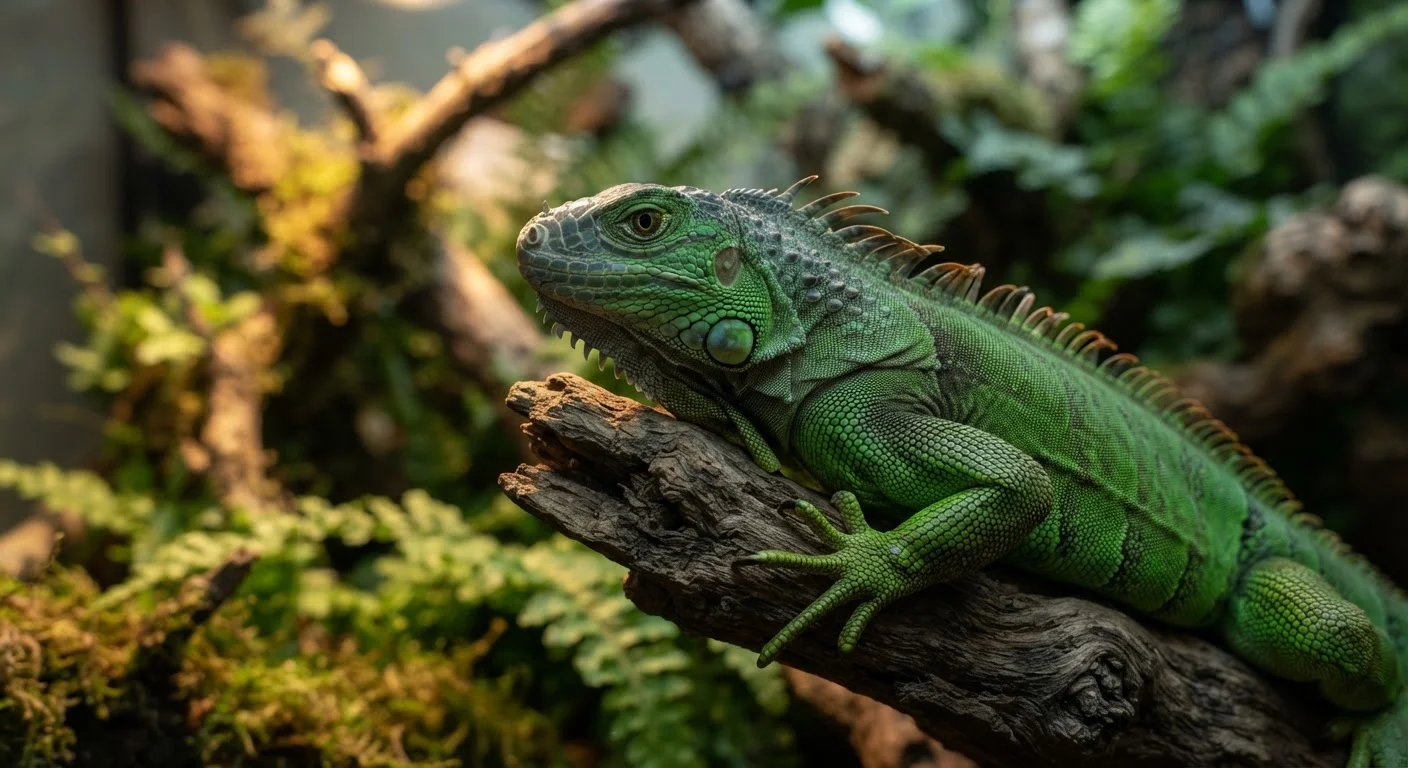
"Reptile" covers an enormous range of animals with radically different needs. A beginner-friendly corn snake and an adult green iguana are not comparable commitments. Matching species to lifestyle is the single most important decision in this process.
Good starting points for most beginners include corn snakes, leopard geckos, blue-tongued skinks, and bearded dragons. These species tend to be more tolerant of handling, have well-documented care requirements, and are bred in captivity at scale — which means avoiding wild-caught animals that arrive stressed and parasite-laden.
Species to approach with caution include large constrictors (Burmese and reticulated pythons), monitor lizards, and chameleons. These animals have demanding needs, can pose safety considerations, or are notoriously sensitive to husbandry errors.
Families with young children should research carefully before proceeding. Salmonella, which many reptiles carry asymptomatically, poses a greater risk to children under five. The family pet decision guide covers species traits relevant to household safety in more depth. If you're also weighing small mammals, hamsters, guinea pigs, and rabbits offer a very different interaction profile that may suit younger children better.
~6 million
U.S. households keeping reptiles
According to the American Pet Products Association's National Pet Owners Survey, approximately 6 million U.S. households kept reptiles as of the most recent data available.
20–30 years
Typical lifespan of a ball python
Ball pythons are among the most commonly kept pet snakes and are well-documented to live two to three decades under proper captive care conditions.
1 in 79
U.S. Salmonella cases linked to reptile contact
The CDC has noted reptile-associated Salmonella as a consistent public health concern, particularly affecting households with young children or immunocompromised individuals.