Why Small Doesn't Mean Simple
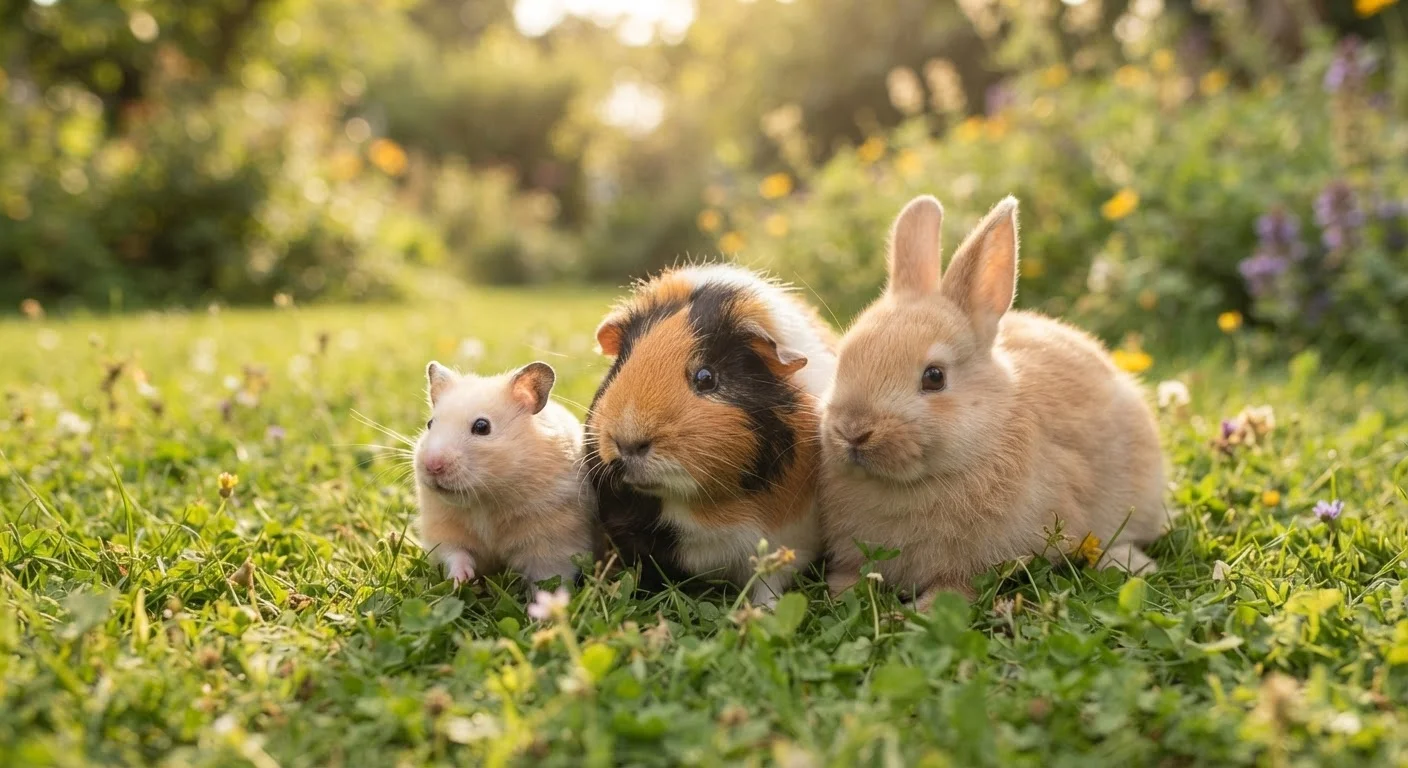
Small mammals are often marketed as low-effort alternatives to dogs or cats, but that framing does both the animals and their owners a disservice. Hamsters, guinea pigs, and rabbits each have specific behavioral wiring, dietary requirements, and environmental needs that, when misunderstood, lead to stress for the pet and frustration for the owner. Before committing to any of these species, it's worth understanding what actually makes each one tick.
Your home environment matters too. Your living space shapes which pets can realistically thrive — and that applies just as much to a rabbit or guinea pig as it does to a Labrador. Consider space, noise levels, and the time you can realistically commit before choosing a species. For a broader picture of daily care demands, see our look at the true time commitment behind common household pets.
Hamsters: Solitary, Nocturnal, and Surprisingly Active
The Syrian hamster — the most commonly kept variety — is a solitary species by nature. In the wild, adults defend individual territories and will fight if housed together. This isn't aggression so much as hard-coded biology, and trying to keep two Syrian hamsters in the same enclosure almost always results in injury. Dwarf species such as Roborovski and Campbell's dwarfs are sometimes kept in same-sex pairs, but even then, conflict can arise and separate housing should be on hand.
Hamsters are also crepuscular to nocturnal, meaning they're most active at dusk, night, and dawn. If you're expecting an alert companion during daylight hours, you'll frequently be disappointed — and waking a sleeping hamster is stressful for the animal. The good news: a well-enriched enclosure with a large running wheel (at least 10–11 inches in diameter for a Syrian), tunnels, and deep bedding for burrowing keeps hamsters mentally engaged during their active hours. Minimum enclosure size recommendations from many small-animal welfare organizations now suggest at least 775 square inches of unbroken floor space — significantly larger than the small cages still widely sold in stores.
Waking a sleeping hamster is genuinely stressful for the animal — work with their schedule, not against it.
Guinea Pigs: Social Animals That Need Companions
Unlike hamsters, guinea pigs — also called cavies — are intensely social animals. In their native South American grasslands, they live in herds. A single guinea pig kept without companionship can develop signs of chronic stress and loneliness that manifest as repetitive behaviors, reduced appetite, and overall lethargy. Most small-animal veterinarians and rescues recommend keeping guinea pigs in same-sex pairs or small groups as a minimum baseline.
That social nature makes guinea pigs genuinely interactive pets. They communicate through a rich vocabulary of sounds — the high-pitched "wheek" many owners recognize when the refrigerator opens, the low rumbling purr of contentment, and the "chutting" of relaxed exploration. Floor time outside the enclosure is important too: guinea pigs need daily opportunities to move, investigate, and interact. Their diet should consist primarily of grass hay (unlimited), fresh leafy greens, and a small amount of fortified pellets. Crucially, guinea pigs cannot synthesize Vitamin C on their own; a deficiency leads to scurvy, so fresh vegetables rich in Vitamin C — such as bell pepper and leafy greens — are a daily dietary requirement, not an optional treat.
Guinea pigs cannot produce their own Vitamin C — daily dietary sources are a non-negotiable health requirement.
Rabbits: Complex, Long-Lived, and Often Misunderstood
Rabbits are among the most commonly surrendered pets in the United States, largely because prospective owners underestimate their complexity. A healthy rabbit can live 8–12 years. They require a diet composed almost entirely of fresh grass hay — not pellets and not fruit, which many popular care guides historically overcorrected toward. Dental disease is extremely common in rabbits and is closely tied to diet: the constant chewing action of hay naturally wears down continuously growing teeth.
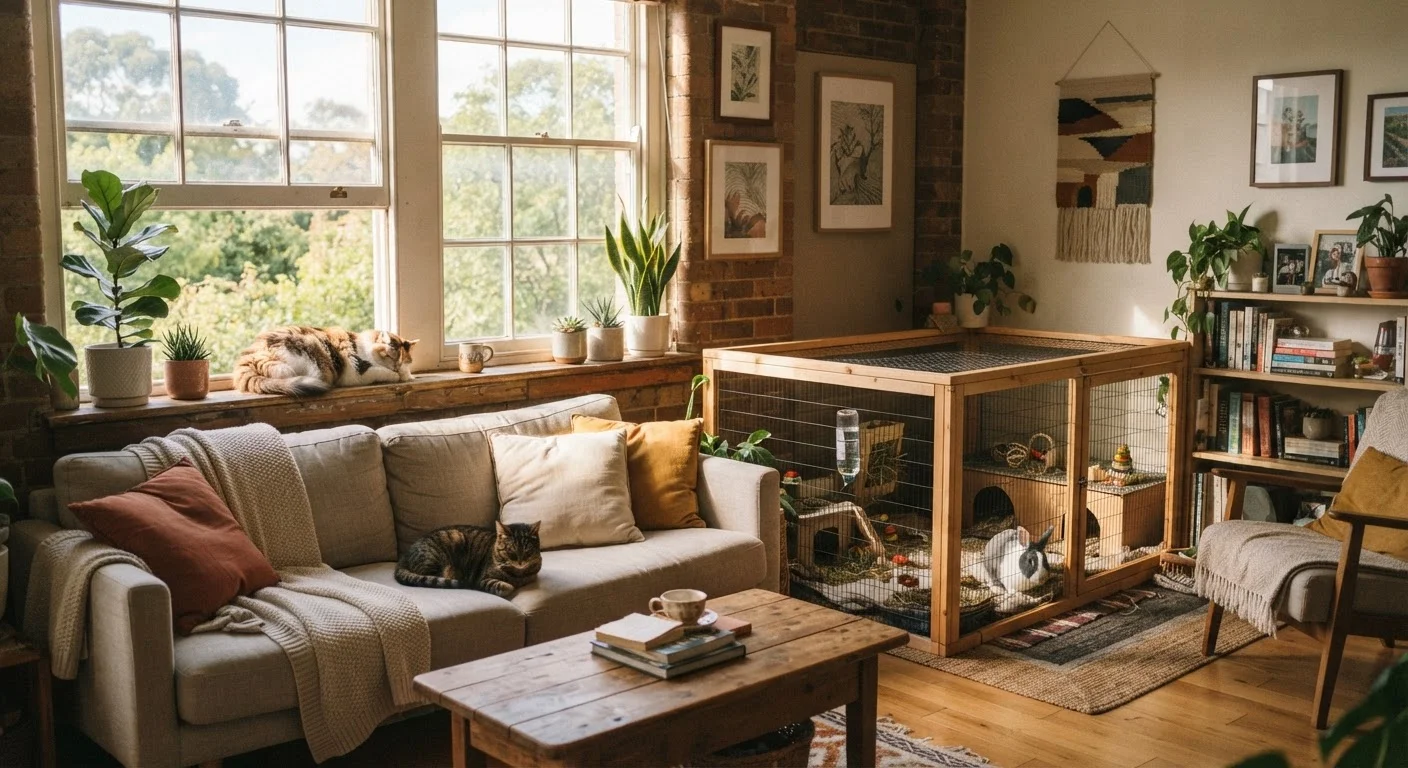
Rabbits also need several hours of free-roaming exercise daily — not a hutch or a small cage. Many rabbit welfare organizations now advocate for housing rabbits in large indoor enclosures or bunny-proofed rooms rather than the small hutches still sold at pet stores. Socially, rabbits do well in bonded pairs, though introductions require patience and a careful process. Understanding rabbit body language — thumping, binkying (a joyful leaping twist), and flattened ears — is part of responsible ownership. For owners adding a rabbit to a household that already has a pet, research on introducing a second pet offers useful guidance on managing the transition.
A rabbit's entire dental health depends on unlimited hay — pellets and fruit cannot substitute for that fiber-heavy grinding action.
Veterinary Care: All Three Need It, But It's Specialized
One point that surprises many first-time small-mammal owners: hamsters, guinea pigs, and rabbits all require care from a veterinarian experienced with exotic or small mammals, not necessarily a standard dog-and-cat practice. Not every general practice is equipped to treat these species, and finding an appropriate vet before your pet gets sick is strongly advisable.
Rabbits should be spayed or neutered — it reduces the risk of reproductive cancers (especially common in unspayed females), decreases territorial behavior, and makes litter training more reliable. Guinea pigs benefit from annual wellness checks, and females over two years old who were never bred face an elevated risk of a condition called dystocia if ever mated later in life — another reason to discuss reproductive health with a vet early. Hamsters, while shorter-lived (typically 2–3 years), are prone to conditions such as wet tail (a bacterial gastrointestinal illness) and dental issues that benefit from prompt veterinary attention.
Finding a small-mammal-experienced vet before an emergency arises could genuinely save your pet's life.
Adoption Options: Rescues, Shelters, and What to Ask
All three species are frequently available through animal shelters, small-animal rescues, and breed-specific rescue networks — and adoption is generally encouraged over purchasing from a pet store, where housing conditions and sourcing practices are often opaque. Many guinea pig and rabbit rescues conduct temperament assessments and can help match a prospective owner to an animal whose personality fits their home environment.
When adopting, ask about the animal's history, any known health issues, and what diet they've been on. Abrupt dietary changes can cause digestive upset in all three species, so gradual transitions matter. Also ask whether the animal has been living with companions — a guinea pig accustomed to cage-mates will likely struggle with sudden solitude, and a bonded rabbit pair is typically adopted together. Taking the time to ask the right questions at adoption makes the first weeks considerably smoother. Our article on what to expect during your new pet's first week covers that settling-in period in practical detail.
Asking a rescue about an animal's social history and current diet before adopting prevents avoidable stress in the first weeks.
Making the Right Match for Your Household
Each of these three species can form a genuine bond with a thoughtful owner — but none of them are interchangeable. Hamsters reward quiet, solo caregivers who appreciate an animal that's active on its own schedule. Guinea pigs are a natural fit for families who can provide companionship and consistent interaction. Rabbits suit owners willing to invest in enrichment, veterinary care, and daily free-roaming time.
If you have young children at home, temperament compatibility deserves careful thought. Our guide on raising a pet alongside young children walks through which species traits matter most in busy households. And once you've chosen your pet, your new pet's first week at home will help you navigate that critical settling-in period with confidence.
Start With the Right Enclosure Size
Many enclosures marketed for hamsters, guinea pigs, and rabbits in retail stores fall well below welfare-recommended minimums. Before purchasing housing, look up current guidelines from small-animal welfare organizations or your veterinarian — enclosure size directly affects an animal's stress levels, health, and behavior. It's one of the easiest things to get right from day one.