
Why Your Home Environment Is the Starting Point
Most people begin the pet search by asking, "What animal do I want?" A more useful first question is: "What can my home actually support?" The square footage, layout, noise environment, and outdoor access of your living space are not minor details — they directly determine whether an animal will be comfortable, behaviorally balanced, and healthy over the long term.
This isn't about discouraging pet ownership. It's about making a match that works for both you and the animal. A high-energy dog confined to a studio without consistent outlets for exercise and stimulation is likely to develop destructive or anxious behaviors. A skittish reptile placed in a loud, high-traffic household may spend its life in chronic stress. Neither outcome is fair to the pet — or to you.
Your living situation is one of the most honest, objective filters you have. Use it early in the decision-making process, before emotional attachment to a specific animal takes over.
What Apartment Dwellers Need to Know
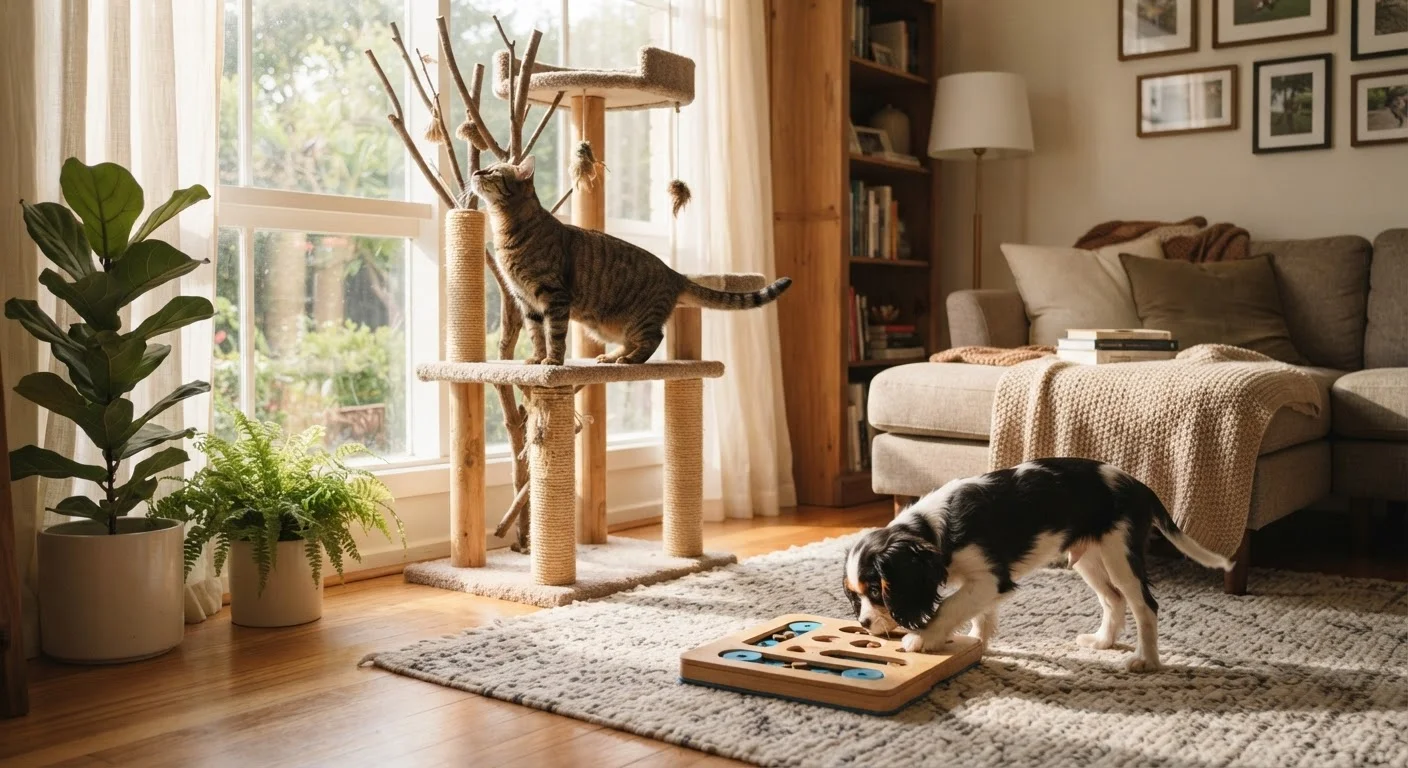
Apartment living is not incompatible with pet ownership — it just narrows the field. Cats are the most obvious fit: they're self-sufficient, don't require outdoor access, and can meet their activity needs through vertical space, window perches, and play sessions. A well-enriched indoor environment can make even a modest apartment genuinely stimulating for a cat.
Small dogs with low-to-moderate energy levels — think Cavalier King Charles Spaniels or French Bulldogs — can also adapt to apartment life, provided they receive consistent daily walks. What doesn't adapt well: working breeds, herding dogs, or any breed with a strong prey drive and high exercise threshold. These animals are not unhappy because of bad temperament; they're unhappy because their biology requires more than the space allows.
Rabbits, guinea pigs, and hamsters are genuinely well-suited to apartment living when given appropriate enclosures and out-of-cage time. See our closer look at small mammals for the specific space and social needs of each species. Fish and reptiles round out the apartment-friendly list, though both have precise habitat requirements that must be met consistently.
Check Before You Adopt: Lease Restrictions
Before falling in love with any animal at a shelter, pull out your lease and read the pet policy carefully. Many rental agreements include breed-specific restrictions, weight caps, or outright prohibitions on certain species. Getting written confirmation from your landlord can protect both you and the animal from a difficult situation later.
Houses, Yards, and the Pets That Benefit From Them
A house with a yard expands your options meaningfully, but it doesn't remove the need for active owner involvement. A fenced outdoor space benefits active dog breeds enormously — it provides an outlet for running, sniffing, and self-directed exploration that no number of leash walks fully replaces. Outdoor access also suits certain cat personalities, particularly if you're in a low-traffic area and can manage it safely.
That said, a yard is not a substitute for engagement. Dogs left alone in a yard for long hours without companionship or structured activity are just as prone to behavioral problems as dogs confined to small apartments. The yard adds value; it doesn't replace your daily time commitment.
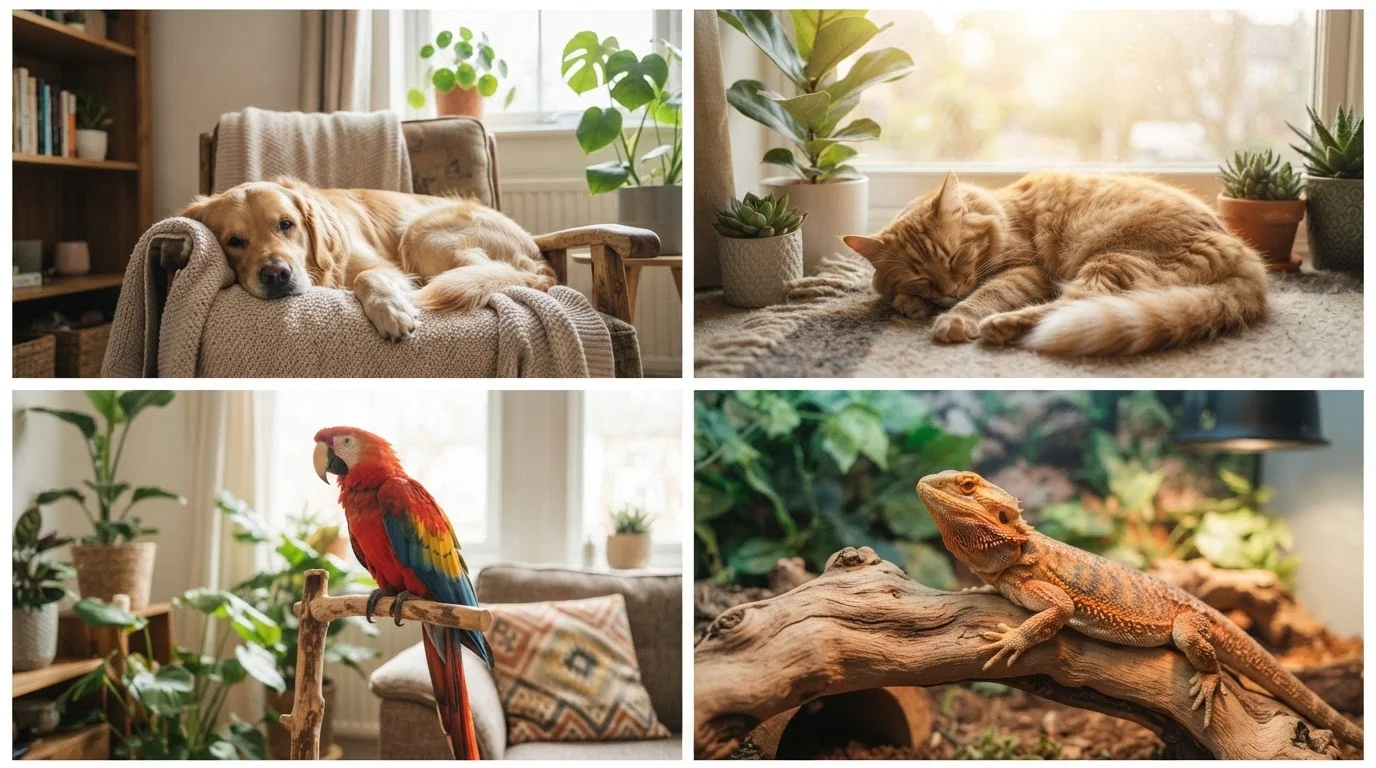
Families in houses also have more flexibility to consider animals that need dedicated, quiet spaces — such as reptile enclosures requiring stable temperatures away from foot traffic, or birds that thrive with a room of their own. If children are part of the household, the species and breed traits that matter for family life deserve careful thought before adopting.
Factors Beyond Square Footage
Space is the most obvious variable, but several others shape pet suitability in ways owners often overlook.
- Noise level: Parrots, macaws, and some terrier breeds are vocal. If you share walls with neighbors or live in a noise-sensitive building, this is a practical constraint, not a preference.
- Lease and HOA rules: Always verify your legal permissions in writing before adopting. Breed restrictions and weight limits are common, and violating them can jeopardize your housing.
- Allergy considerations: Even "hypoallergenic" breeds produce allergens. If anyone in the household has sensitivities, consult our guide to pet allergies before committing to a species.
- Traffic and layout: Anxious or skittish animals need predictable, lower-stimulation zones. Open-plan, high-traffic homes may not suit timid reptiles, elderly cats, or trauma-sensitive rescue animals.
Understanding how your routine and personality align with different species adds another layer of clarity beyond the physical space alone.
~70%
U.S. households that own at least one pet
According to the American Pet Products Association's National Pet Owners Survey, pet ownership has remained consistently high across housing types.
1 in 3
Pet surrenders linked to housing issues
Animal welfare organizations frequently cite housing incompatibility — including landlord restrictions and inadequate space — as a leading reason pets are returned to shelters.
30–60 min
Minimum daily exercise for most dog breeds
Veterinary guidelines suggest most dogs need at least 30 to 60 minutes of purposeful activity per day, with working and sporting breeds requiring considerably more.