The Feel-Good Moment That Leads to a Hard Return
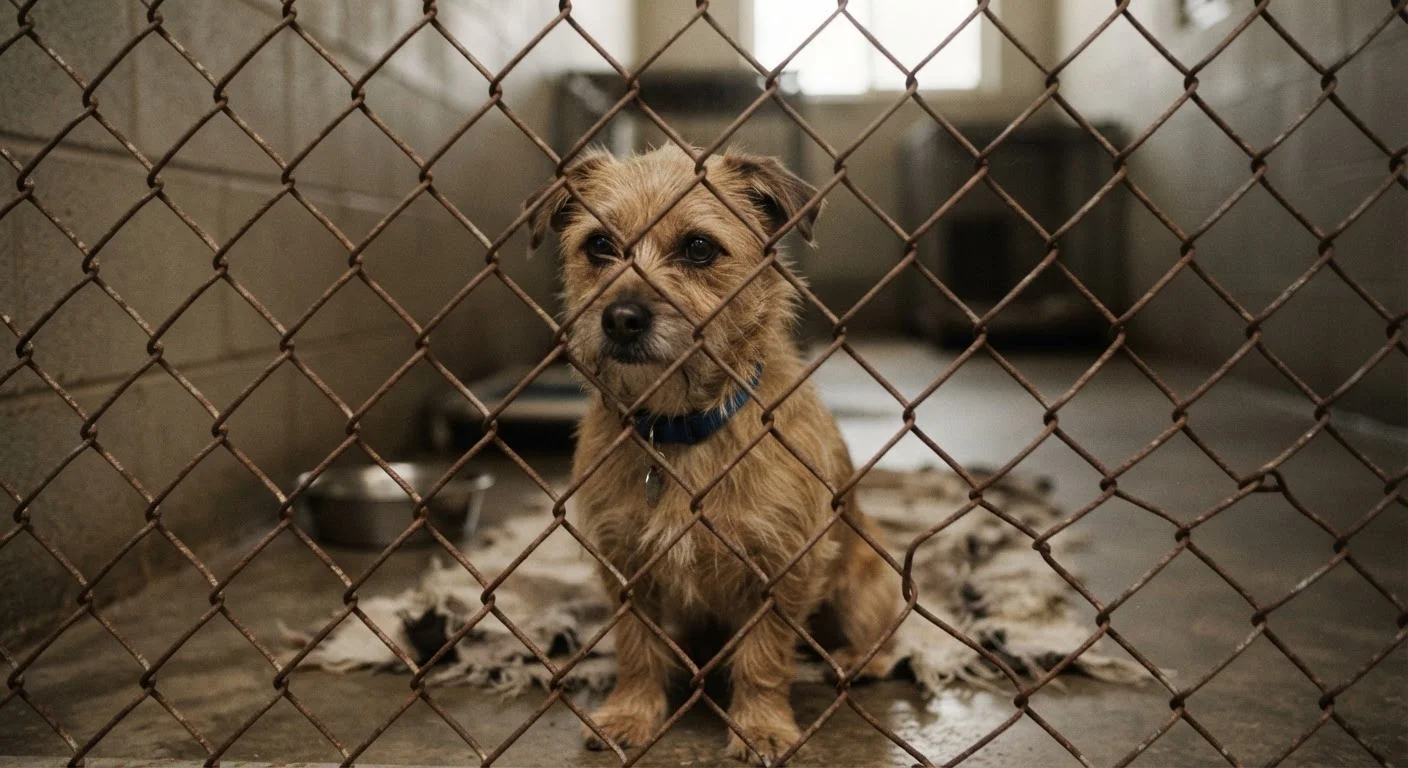
Walking past a shelter adoption event and locking eyes with a puppy is a powerful experience. That emotional pull is completely understandable — and it's also one of the leading reasons animals cycle back into shelters within weeks or months of leaving them.
Impulse adoptions happen when the decision to bring an animal home is driven primarily by emotion, novelty, or social pressure rather than honest self-assessment. According to animal welfare researchers, a significant portion of pet returns are linked to owner lifestyle mismatches — problems that could have been foreseen with a little preparation.
Understanding why these adoptions so often unravel is the first step toward making a decision that sticks — for you and for the animal. Before you commit, it's worth working through a readiness checklist that honestly examines your lifestyle, finances, and home setup.
Choosing a pet based on appearance or a viral moment rather than species or breed compatibility with your lifestyle.
Why it happens: Adoption events and social media highlight adorable animals, making it easy to fall for a look without researching what daily care actually involves.
Underestimating the ongoing financial cost of pet ownership.
Why it happens: The adoption fee feels like the main expense, but routine veterinary care, food, supplies, grooming, and unexpected medical bills add up significantly over an animal's lifespan.
Adopting without accounting for your full household — including children, other pets, or a landlord's pet policy.
Why it happens: The person doing the adopting is excited, but other household members or lease agreements may not be aligned, creating conflict after the animal arrives.
Assuming behavioral challenges will resolve on their own without training or professional support.
Why it happens: New owners often expect pets, especially rescue animals, to settle in quickly and naturally. When problem behaviors emerge, they feel blindsided and unprepared.
Failing to consider long-term life changes such as job transitions, moves, or growing families.
Why it happens: Adopters focus on their current circumstances without projecting how a pet — especially one with a 10–15 year lifespan — fits into a life that will change.
Why These Mistakes Are So Easy to Make
None of the mistakes listed above come from bad intentions. Most people who return a pet feel genuine guilt and grief. The problem is structural: our culture often frames pet adoption as purely an emotional event rather than a practical commitment requiring research.
~20%
Adopted pets returned within six months
Animal welfare researchers have estimated that roughly one in five adopted pets is returned to a shelter within six months, with lifestyle mismatch cited as a leading reason.
Top 3
Reasons cited for pet returns
Surveys of shelter intake data consistently identify owner lifestyle mismatch, unexpected behavioral issues, and financial strain as the most frequently cited reasons for returning an adopted animal.
Shelters and rescue groups have limited time during high-traffic adoption events to conduct deep counseling. Adopters may receive a brief conversation and a pamphlet, but leave without a realistic picture of what a specific breed or species actually demands day-to-day. This is why organizations that use formal matching interviews and multi-day foster-before-adopt programs tend to see lower return rates.
It's also worth examining what you believe going in. Many prospective owners carry misconceptions — for example, that a "low-energy" breed needs almost no exercise, or that a rescue animal will naturally be grateful and easy. Our article on pet ownership myths addresses several of these head-on.
If you already share your home with a pet, the stakes of an impulsive second adoption are compounded. The behavioral science on introducing a second pet shows that mismatched pairings create stress for both animals — and frequently result in one being returned.
Making an Adoption Decision That Lasts
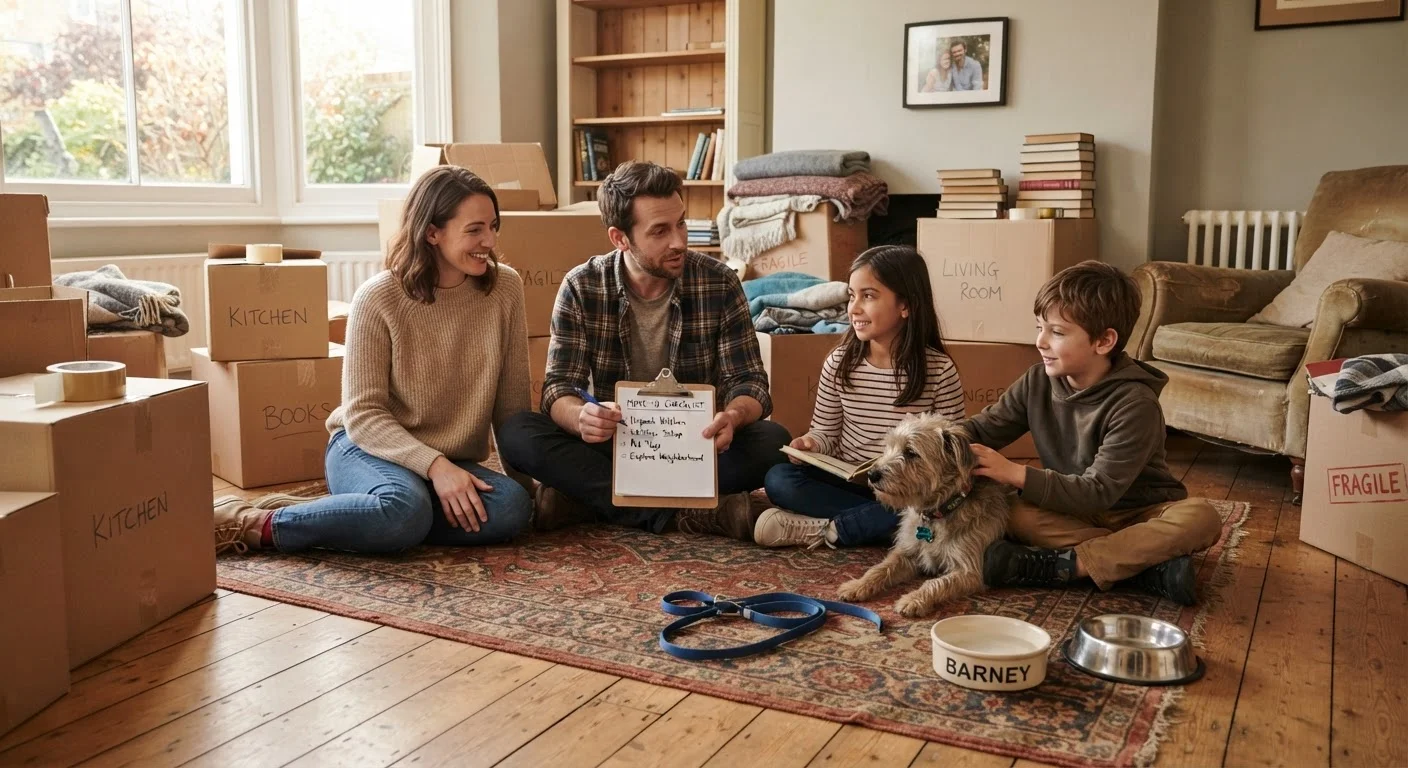
The antidote to impulse adoption isn't less enthusiasm — it's channeling that enthusiasm into preparation. Give yourself at least a few weeks between the moment you decide you want a pet and the moment you sign adoption paperwork. Use that time to research your adoption options, whether that's a municipal shelter, a breed-specific rescue, or a responsible breeder.
Talk honestly with everyone in your household about responsibilities, allergies, travel schedules, and budget. Ask shelter staff direct questions: How does this animal behave when left alone? What does a typical day look like for this breed? Has this pet shown any behavioral challenges?
A well-matched adoption benefits everyone — most of all the animal. Pets who land in a stable, informed home are less likely to develop the anxiety-driven behaviors that often lead to returns. For context on how behavioral issues can develop or worsen under stress, see our overview of pet behavior.
Taking time to choose carefully isn't a sign of hesitation — it's a sign of respect for the life you're about to take responsibility for.