The Biology Behind the Midnight Zoomies
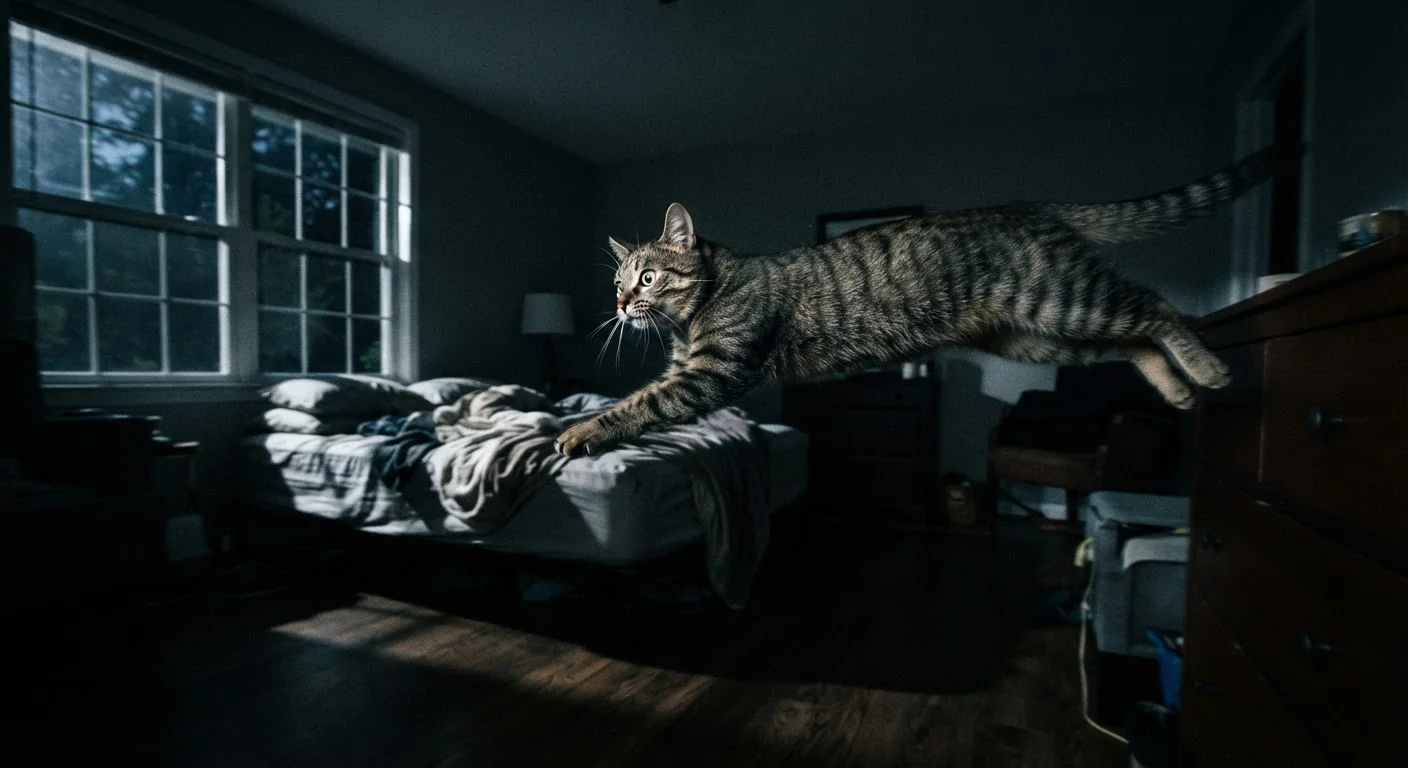
If your cat has ever thundered down the hallway at 2 a.m. or batted at your face while you slept, you're not alone — and your cat isn't broken. This behavior has a clear biological explanation rooted in feline evolution.
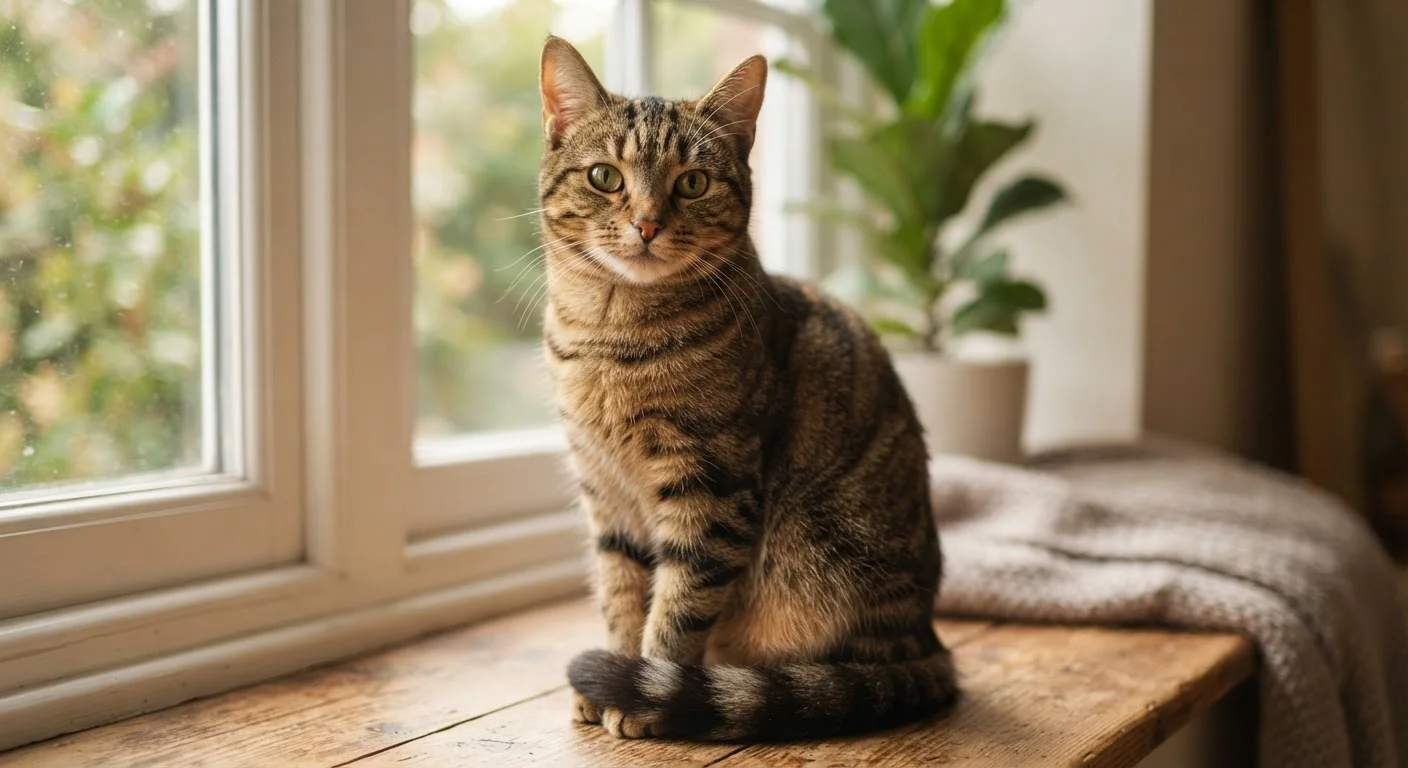
Cats evolved as predators in environments where their prey — small rodents and birds — were most active during low-light periods. Natural selection favored cats with peak alertness and hunting drive at dawn and dusk. That instinct persists in even the most pampered indoor cat. The house cat curled up on your sofa carries the same sensory wiring as its wild ancestors.
What makes indoor life complicate things is the absence of real stimulation during daylight hours. Many cats sleep most of the day when their owners are at work, banking energy that then surges at night. The result: midnight zoomies, vocalizations, and relentless pawing at closed bedroom doors.
Understanding this rhythm is the first step toward working with your cat's nature rather than against it. For a deeper look at what other feline behaviors are actually communicating, see our field guide to cat body language.
What's Actually Triggering the Behavior
While instinct lays the foundation, several everyday factors can amplify nighttime activity:
- Boredom and under-stimulation: A cat that hasn't had meaningful play or exploration during the day arrives at evening with a full tank. Without an outlet, that energy expresses itself as chaos.
- Hunger: Cats fed on a schedule — particularly if the last meal was hours before your bedtime — may become active and vocal as appetite builds overnight.
- Social signaling: Some cats vocalize or seek interaction at night simply because it has worked before. If you've ever gotten up to feed or soothe a noisy cat, you may have inadvertently reinforced the behavior.
- Environmental triggers: Outdoor sounds, wildlife near windows, or other pets in the home can activate a cat's alertness at odd hours.
It's also worth questioning common assumptions about what cat behaviors mean. Many owners assume nighttime antics are attention-seeking or even spiteful — but that framing misses the mark. Our article on pet behavior myths explores why instinct-driven behavior is rarely about emotion directed at you.
Try the Pre-Bedtime Play Ritual
Spend 15–20 minutes playing actively with your cat using a wand or laser toy, then immediately serve their evening meal. This mimics the natural hunt-eat-rest cycle and signals to your cat that the day is winding down. Doing this consistently each night typically produces noticeable results within one to two weeks.
Practical Ways to Reclaim Your Sleep
You can't override millions of years of evolution, but you can work with it. The goal is to shift your cat's energy peaks earlier in the evening so that by the time you're ready for bed, your cat is ready to rest too.
The Hunt-Eat-Sleep Cycle
Cats are wired to hunt, catch, eat, groom, and then sleep. You can replicate this sequence deliberately. Use a wand toy or puzzle feeder for 15–20 minutes of active play in the hour before bedtime, then immediately offer your cat's evening meal. Most cats will self-groom and settle in for a long rest afterward.
Scheduled Feeding
If you currently free-feed (leaving food out all day), consider switching to scheduled meals. Two or three measured portions per day — with the final one timed to your pre-sleep routine — gives your cat a behavioral anchor and reduces nighttime hunger-driven activity.
Environmental Enrichment During the Day
Puzzle feeders, window perches, cat trees, and even leaving a bird feeder visible outside a window can keep cats occupied and mentally tired by evening. A stimulated cat is a sleepier cat. Building a consistent daily rhythm matters, too — establishing a routine reduces anxiety and behavioral issues across the board.
When to See a Vet
Sudden changes in nighttime behavior — particularly in cats over 8 years old — can signal medical issues including hyperthyroidism, high blood pressure, or feline cognitive dysfunction syndrome (a condition similar to dementia in older cats). If your cat's nighttime behavior has changed abruptly rather than gradually, a veterinary visit is worthwhile. Physical causes should always be ruled out before assuming the issue is purely behavioral.
Understanding your cat's signals during these active episodes can also help. Reading your pet's body language offers useful context for interpreting what your cat is expressing in those high-energy moments.