Why Routine Matters for Your Pet's Well-Being
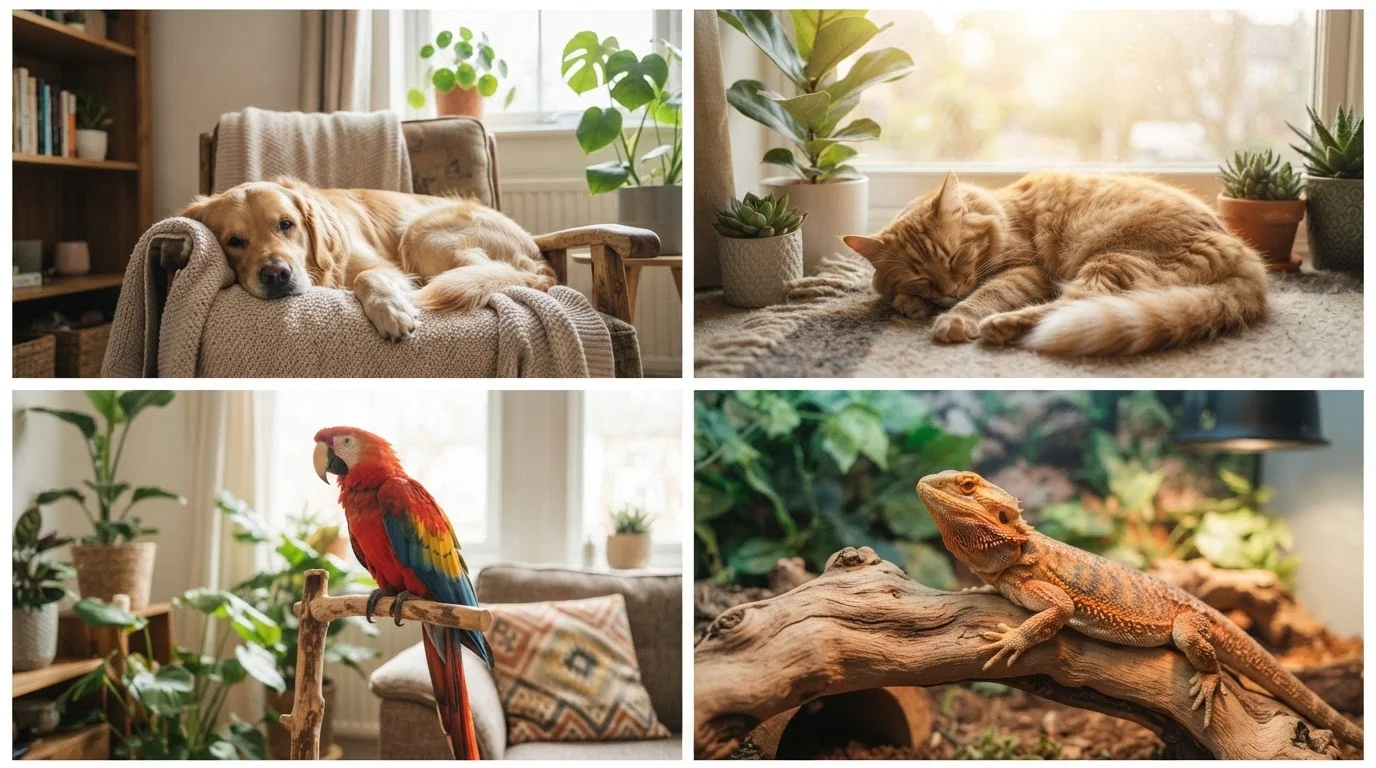
Animals are creatures of habit — not by preference, but by biology. Dogs, cats, rabbits, and birds all rely on predictable patterns to feel safe in their environment. When meals, walks, and rest periods happen at consistent times, pets experience lower baseline stress, which in turn reduces common behavioral issues like excessive barking, destructive chewing, and litter box avoidance.
From a behavioral science standpoint, routine works because it gives pets a sense of control over their environment. They anticipate what's coming next, which reduces the uncertainty that drives anxious or reactive behavior. This is especially important during life transitions — if you're bringing a new animal home, our guide on your new pet's first week at home explains how early structure sets the tone for years ahead.
Routine also benefits you as an owner. When your pet's schedule is consistent, it's easier to notice when something is off — a skipped meal, an unusual sleep pattern, or reduced energy. These deviations are often the first signs of illness, giving you a meaningful head start before symptoms worsen. Pairing a solid routine with annual vet visits creates a strong foundation for long-term pet health.
What a Healthy Daily Routine Looks Like
A functional pet routine centers on four pillars: feeding, exercise, mental stimulation, and rest. The specific timing and duration of each will vary by species, age, and individual temperament — what works for a high-energy border collie won't suit a senior cat. For a realistic picture of how different species differ in their daily demands, see our overview of the time commitment behind common household pets.
- Feeding: Most adult dogs and cats do well with two meals per day, spaced roughly 8–12 hours apart. Puppies and kittens typically need three or more. Consistent meal timing regulates digestion and helps prevent overeating. If you're working on portion management, keeping your pet at a healthy weight is a useful companion read.
- Exercise: Dogs need at least one structured walk or active play session daily — more for working breeds. Cats benefit from two to three short interactive play sessions. Even rabbits and birds need daily out-of-enclosure time.
- Mental stimulation: Puzzle feeders, training sessions, and scent games prevent boredom-driven behavior. Even 10 minutes of focused engagement makes a measurable difference.
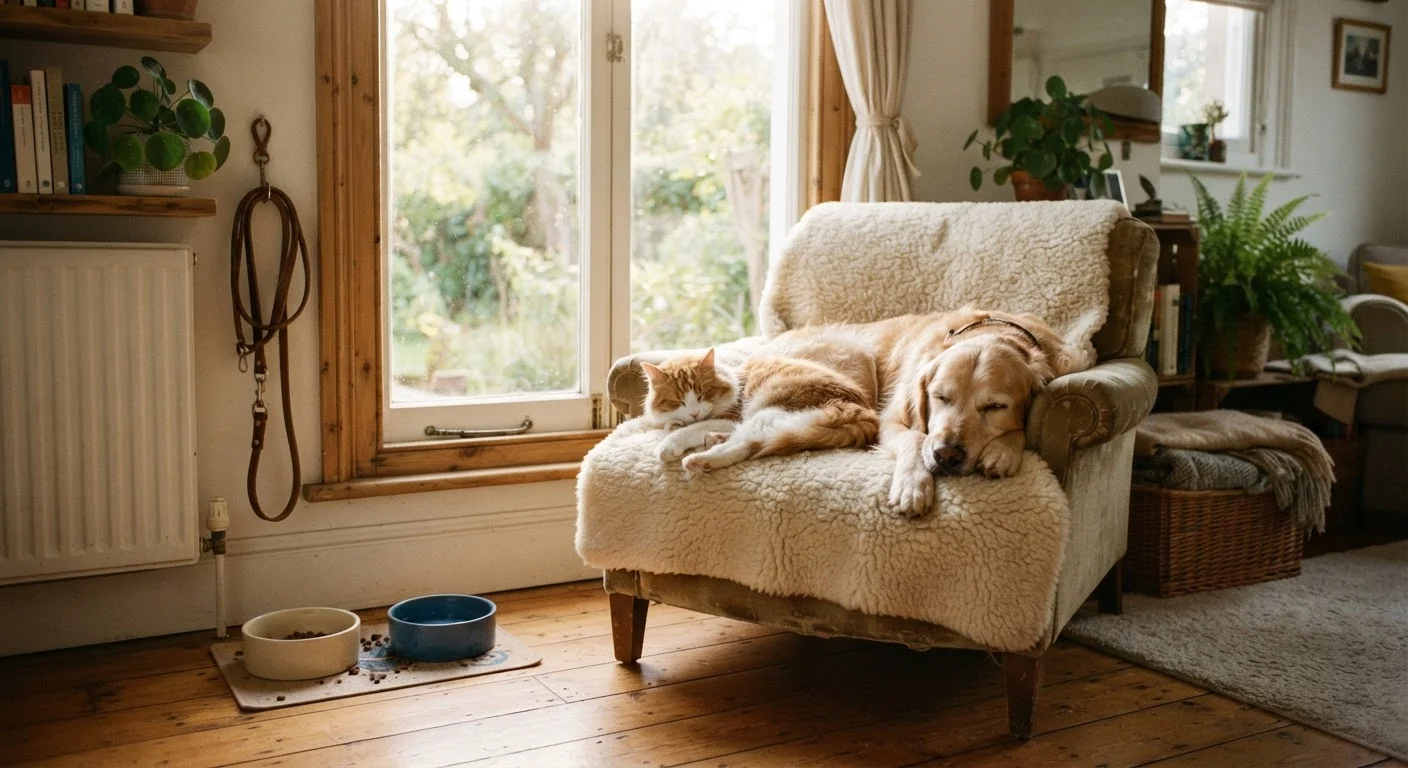
- Rest: Pets need quiet, undisturbed sleep time. Cats may sleep 12–16 hours; dogs average 12–14. Respect these windows — a chronically under-rested pet is more reactive and harder to train.
Grooming Fits Into Routine Too
Regular grooming isn't just about appearance — it's a health check. Brushing sessions let you spot lumps, skin changes, or parasites early. How often you need to groom depends on your pet's coat and species. Check our grooming frequency guide to build grooming into your weekly rhythm without guesswork.
Grooming is also part of a sustainable routine. How often depends heavily on species and coat type — our grooming frequency guide by pet type breaks it down clearly.
How to Build a Routine That Sticks
Building a workable schedule requires mapping your pet's needs against your own realistic daily rhythm. Use the steps below as a framework, adjusting for your pet's species, age, and any veterinarian guidance you've received.
Audit your current schedule and your pet's needs
Before creating a new routine, spend two or three days observing your pet's natural rhythms — when they seem hungry, energetic, or ready to rest. Cross-reference this against your own fixed commitments (work hours, morning schedule, evening availability). A routine that doesn't fit your real life won't survive the first busy week.
Set fixed times for feeding
Choose specific mealtimes and stick to them within a 30-minute window each day. Free-feeding (leaving food out all day) makes it harder to monitor appetite and can contribute to overeating in some pets. Use your vet's portion recommendations as your baseline — if you're unsure, ask at your next wellness exam.
Schedule exercise and play at consistent times
Anchor exercise to existing habits — morning walks after your own breakfast, play sessions before dinner. Consistency in timing matters as much as duration. Pets quickly learn to anticipate activity windows, which keeps energy levels more even throughout the day and reduces restless or destructive behavior between sessions.
Build in a wind-down period before bed
A quieter evening period — lower lighting, less stimulation, calm interactions — signals to your pet that rest time is approaching. For dogs, a final short bathroom walk and a chew or food-puzzle toy can help settle energy. For cats, end play sessions at least 30 minutes before you want them to be calm. This is especially helpful for pets that wake owners at night.
Give the routine at least two weeks before evaluating
Behavioral change takes time. Most pets begin showing signs of adaptation — calmer greetings, better appetite regulation, reduced anxiety behaviors — within one to two weeks of consistent scheduling. Resist the urge to troubleshoot too early. If significant behavioral problems persist beyond three to four weeks, consult your veterinarian or a certified animal behaviorist to rule out underlying causes.
When Routines Get Disrupted
Life changes — travel, a new work schedule, a move, or adding another animal to the household. Some disruption is inevitable, but how you manage it matters. Gradual transitions are almost always easier on pets than abrupt ones. If you're introducing a second pet, keep in mind that even an established routine can be destabilized; what research says about introducing a second pet offers evidence-based guidance for that transition.
When disruption is unavoidable — a week-long trip, for instance — brief your pet sitter or boarding facility on your pet's usual schedule in writing. The closer they can replicate the familiar pattern, the less stress your pet will experience. After returning to normal life, most pets re-adapt to their established routine within a few days when owners are consistent.