Why Weight Management Matters for Pets
Excess body weight in dogs and cats is linked to a range of serious health conditions — including diabetes, osteoarthritis, heart disease, and reduced life expectancy. Yet pet obesity remains widespread, in part because weight gain in animals tends to be gradual and easy to normalize over time.
Unlike humans, pets can't adjust their own portions or choose to take a walk. That responsibility falls entirely to the people who care for them. The encouraging reality: most weight issues in pets are preventable and manageable with consistent, informed habits — no special equipment required.
Understanding food type also plays a role. If you're unsure whether your pet's current diet is helping or hindering their weight goals, our comparison of dry vs. wet food nutrition can help you evaluate the trade-offs.
How to Assess Your Pet's Body Condition
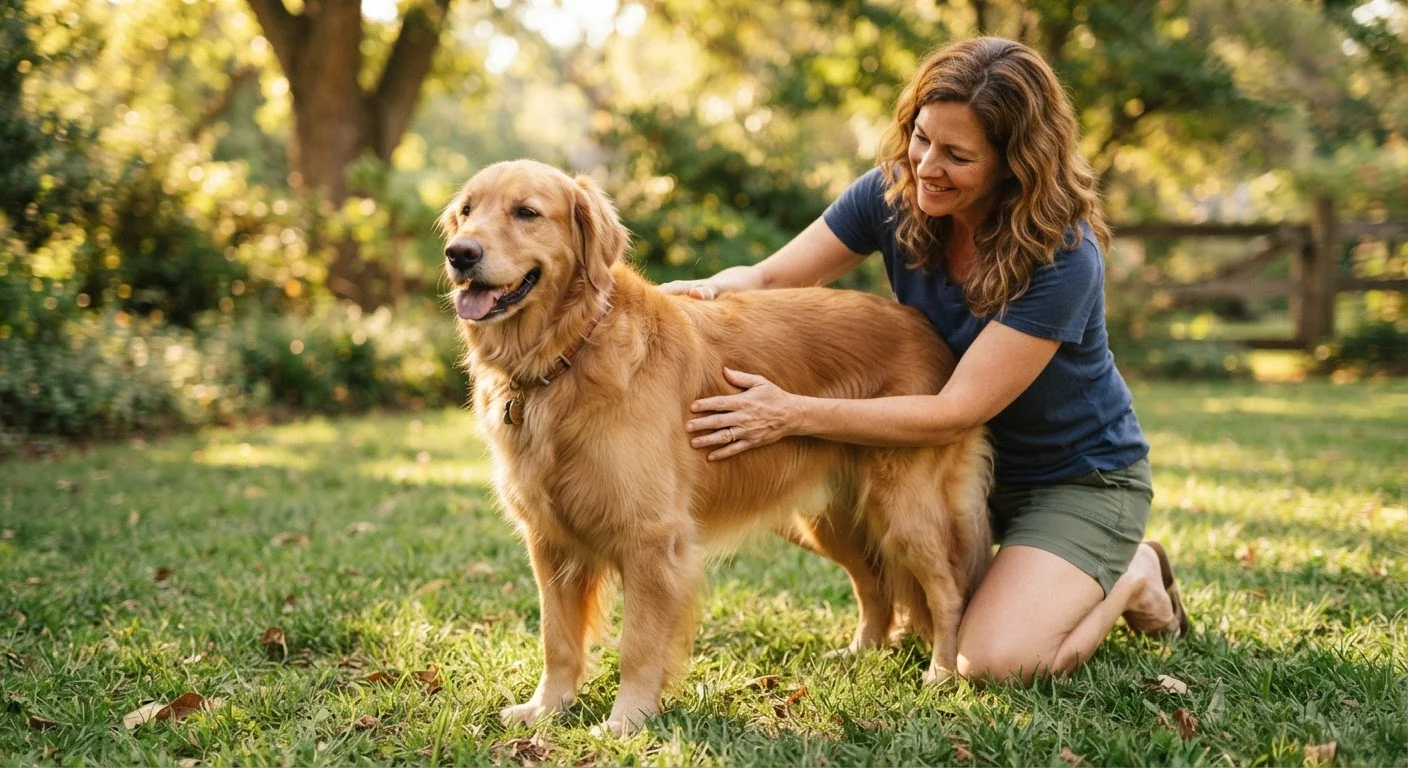
Weight alone doesn't tell the full story. A muscular dog can appear heavy on a scale while being perfectly lean. That's why veterinarians use the Body Condition Score (BCS) — a standardized 9-point scale that evaluates fat coverage over ribs, spine, and hips, as well as waist definition when viewed from above.
Weight Norms Vary by Breed
A healthy weight for a Chihuahua is very different from a healthy weight for a Labrador Retriever — even within the same species, breed standards vary widely. Always interpret your pet's weight in the context of their specific breed, age, and body frame. Your veterinarian can provide a breed-appropriate target range rather than a one-size-fits-all number.
- Underweight (1–3): Ribs, spine, and hip bones are visibly prominent; little to no muscle or fat coverage.
- Ideal (4–5): Ribs are easily felt but not seen; a visible waist tuck behind the ribs; minimal abdominal fat.
- Overweight (6–7): Ribs require firm pressure to feel; waist is barely visible; abdomen rounding present.
- Obese (8–9): Ribs are very difficult to feel; no waist definition; significant fat deposits on neck, limbs, and base of tail.
Check your pet's body condition monthly at home and bring your observations to each vet visit. Consistent monitoring is the earliest warning system you have.
Feeding Practices That Prevent Weight Gain
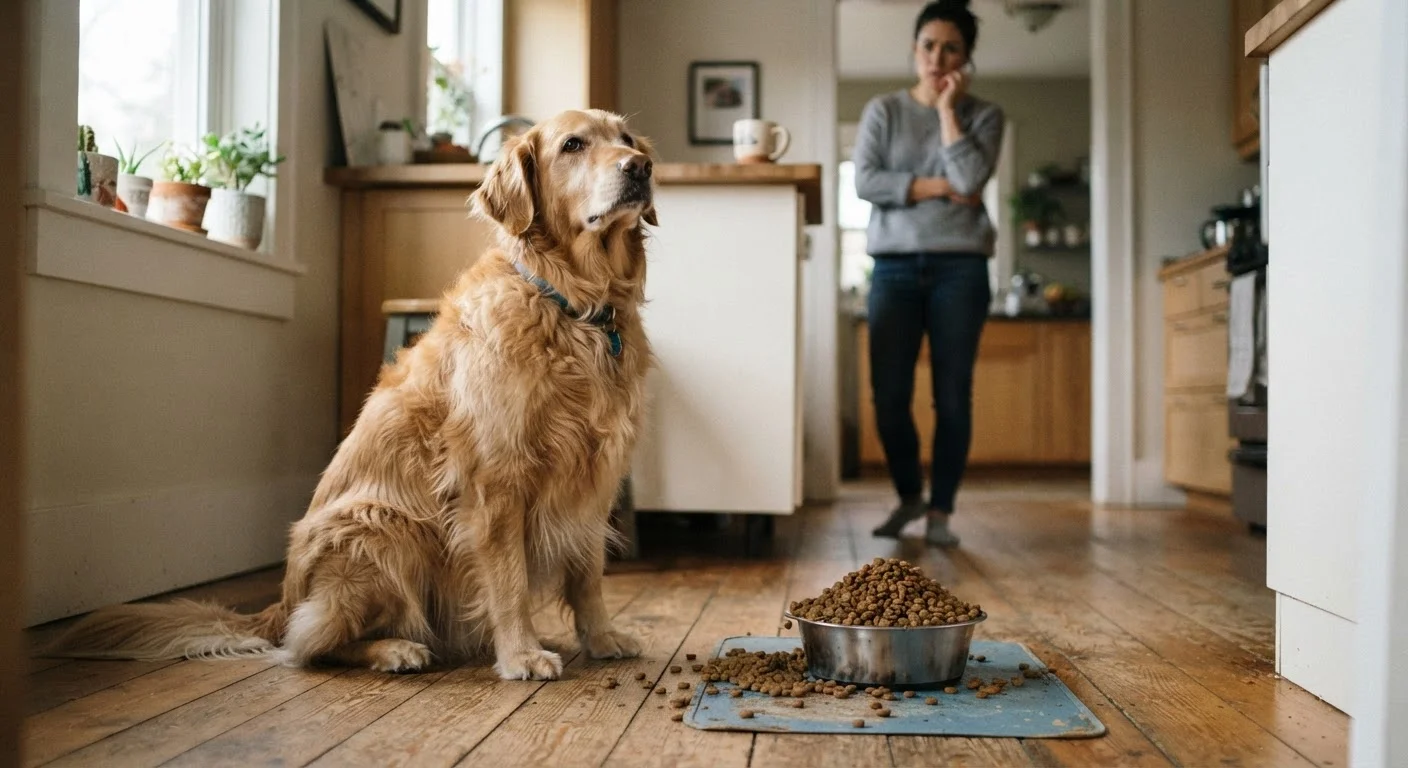
Most weight issues in pets can be traced back to feeding habits — specifically, portion sizes that drift upward over time and treats that aren't counted as part of the daily caloric total.
Use the Body Condition Score (BCS) to assess your pet's weight regularly at home.
The Body Condition Score is a 9-point scale used by veterinarians to evaluate whether a pet is underweight, at an ideal weight, or overweight based on visual and physical cues. It's far more informative than a number on a scale because it accounts for individual muscle mass and body frame. Learning to use this tool helps owners catch weight drift early.
Measure food portions with a kitchen scale or measuring cup — never estimate by eye.
Free-pouring kibble is one of the most common sources of accidental overfeeding. Studies in veterinary nutrition have consistently shown that pet owners misjudge portion sizes, often serving 20–30% more than intended. Consistent measurement eliminates that guesswork. As explored in our guide to overfeeding, even small daily surpluses compound over months.
Account for treats, toppers, and table scraps as part of your pet's daily caloric budget.
Treats are often given generously without being factored into a pet's total daily intake. A single commercial dog biscuit can represent 10–15% of a small dog's daily caloric needs. Table scraps — even small amounts — can be both calorically dense and nutritionally unsuitable for pets.
Build consistent, appropriate physical activity into your pet's daily routine.
Calories in must be balanced with calories out, and regular movement supports muscle maintenance, joint health, and mental wellbeing in addition to weight management. The right type and amount of exercise varies by species, breed, and age — a senior cat has very different needs from an active young Border Collie. See our article on building a healthy pet routine for practical scheduling guidance.
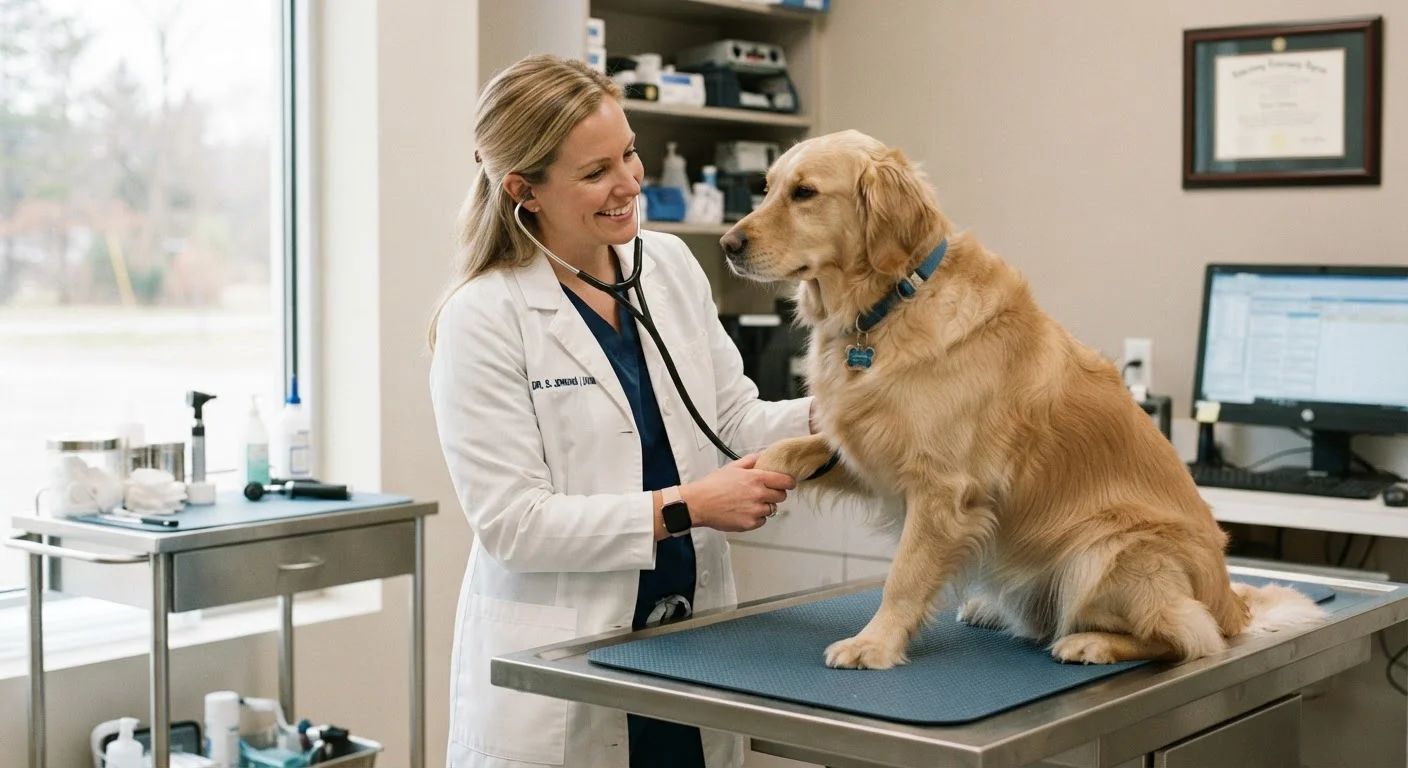
Schedule regular veterinary weigh-ins and ask for a written weight management plan.
Weight changes in pets can be subtle month to month but significant over a year. Routine annual wellness exams include weight tracking that gives your vet a longitudinal view of your pet's health. A written plan provides caloric targets, weigh-in intervals, and measurable milestones — removing the guesswork.
Food quality and type also influence weight outcomes. Calorically dense foods that aren't matched to your pet's activity level can lead to gain even when portion sizes look reasonable on paper.
Working With Your Vet on a Weight Plan
If your pet needs to lose weight, the safest approach is a gradual reduction — typically targeting 1–2% of body weight per week — under veterinary guidance. Rapid weight loss in cats, in particular, can trigger a serious liver condition called hepatic lipidosis, making crash dieting genuinely dangerous.
Your vet can calculate your pet's Resting Energy Requirement (RER) — the number of calories they need just to maintain basic bodily functions — and set an appropriate daily caloric target for weight loss. They may also recommend a therapeutic weight-management food formulated to keep your pet feeling full on fewer calories.
Between visits, track your pet's weight at home if possible, note any changes in appetite or energy, and keep a simple feeding log. Bring that information to each checkup so your vet has real data to work with, not just estimates. For a clear picture of what happens at those visits, see our breakdown of what a routine vet exam involves.