More Than a Shot: What the Exam Actually Covers
Many pet owners think of the annual vet visit primarily as a vaccine appointment. In reality, vaccines may take only a few minutes of a 30–45 minute exam. The bulk of that time is the physical assessment — a structured, methodical review of your pet's entire body.
Here's what a typical wellness exam includes:
- Weight and body condition: The vet assesses whether your pet is at a healthy weight and checks for muscle loss or excessive fat. This directly connects to long-term joint, organ, and metabolic health. For a deeper look at managing weight, see our guide on keeping pets at a healthy weight.
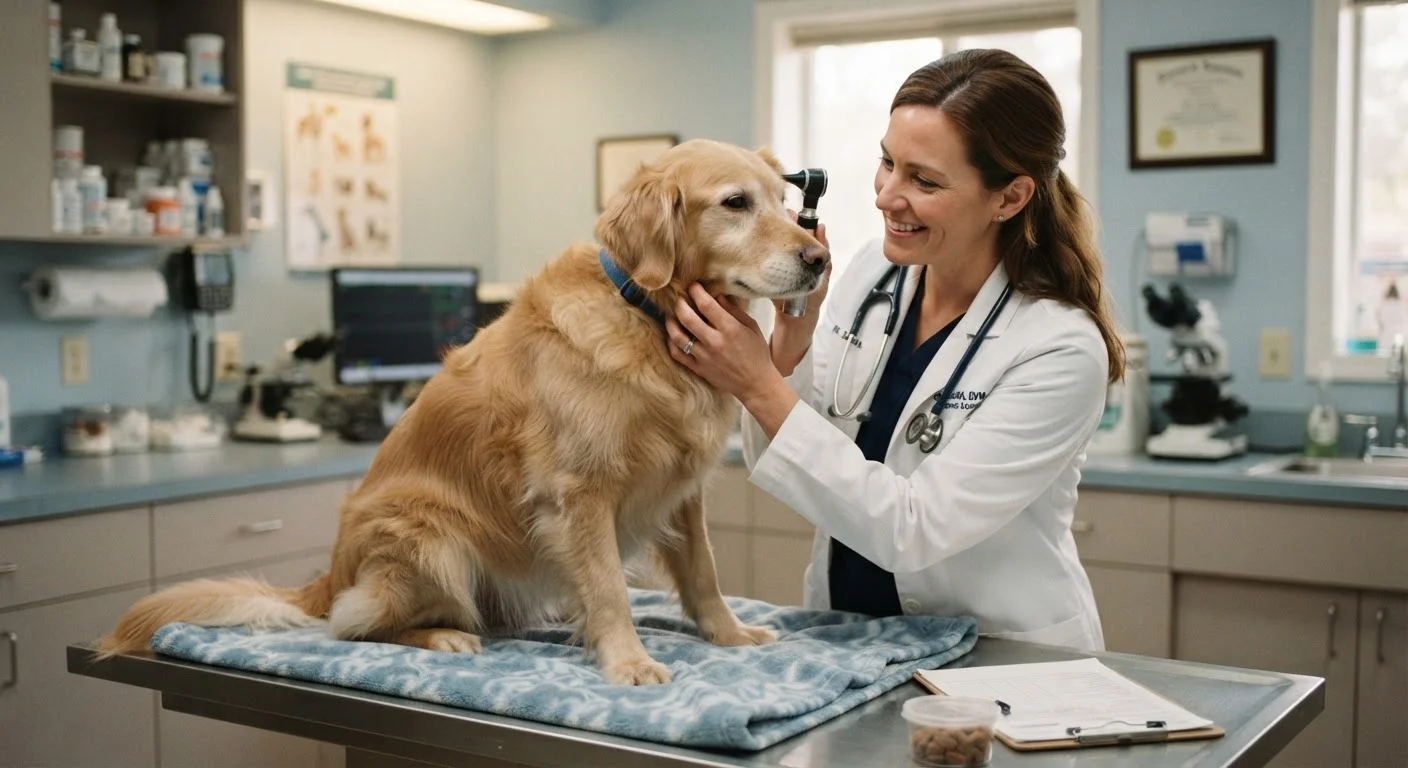
- Eyes, ears, and nose: Checked for discharge, redness, cloudiness, or signs of infection.
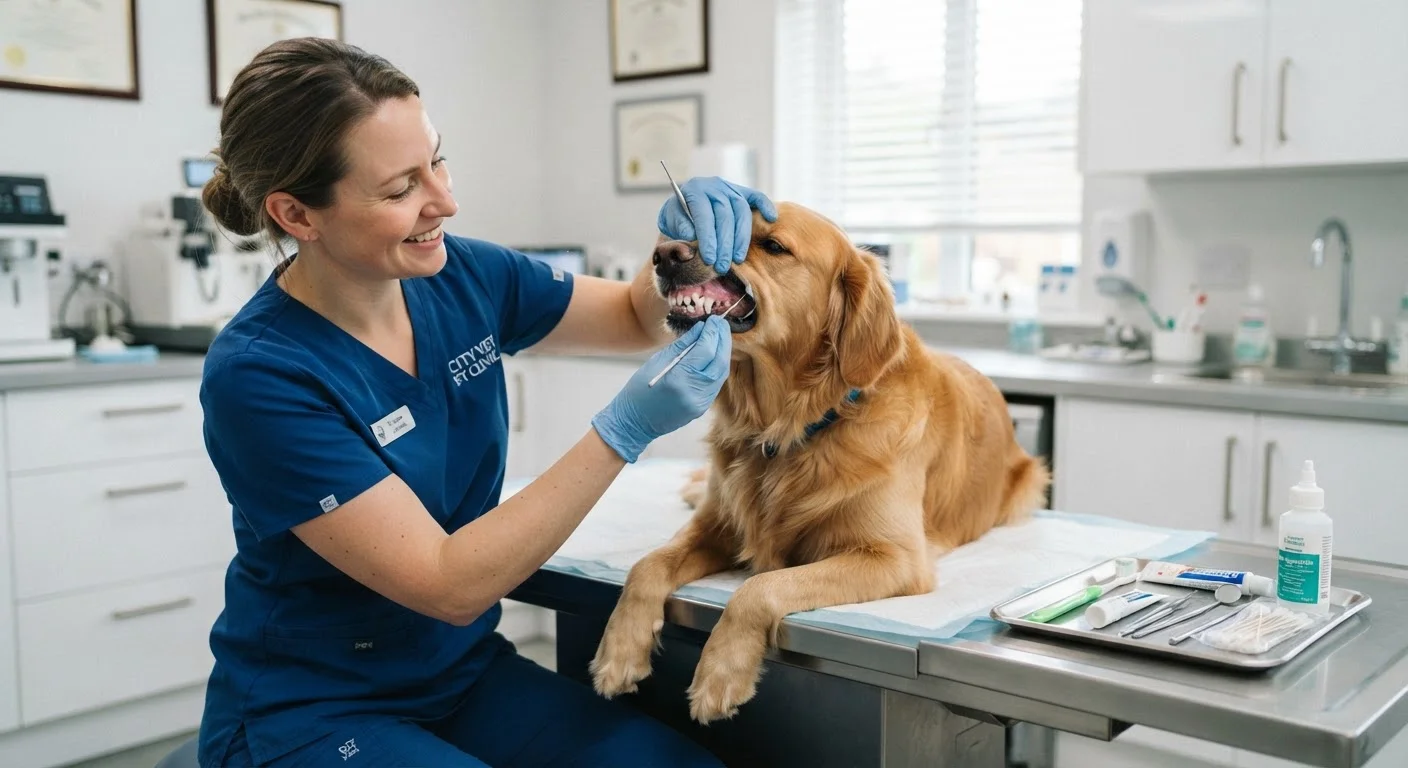
- Mouth and teeth: The vet looks for tartar buildup, gum inflammation, broken teeth, and early signs of periodontal disease — one of the most common and underdiagnosed conditions in pets. Our article on dental health in dogs and cats explains what owners can do between visits.
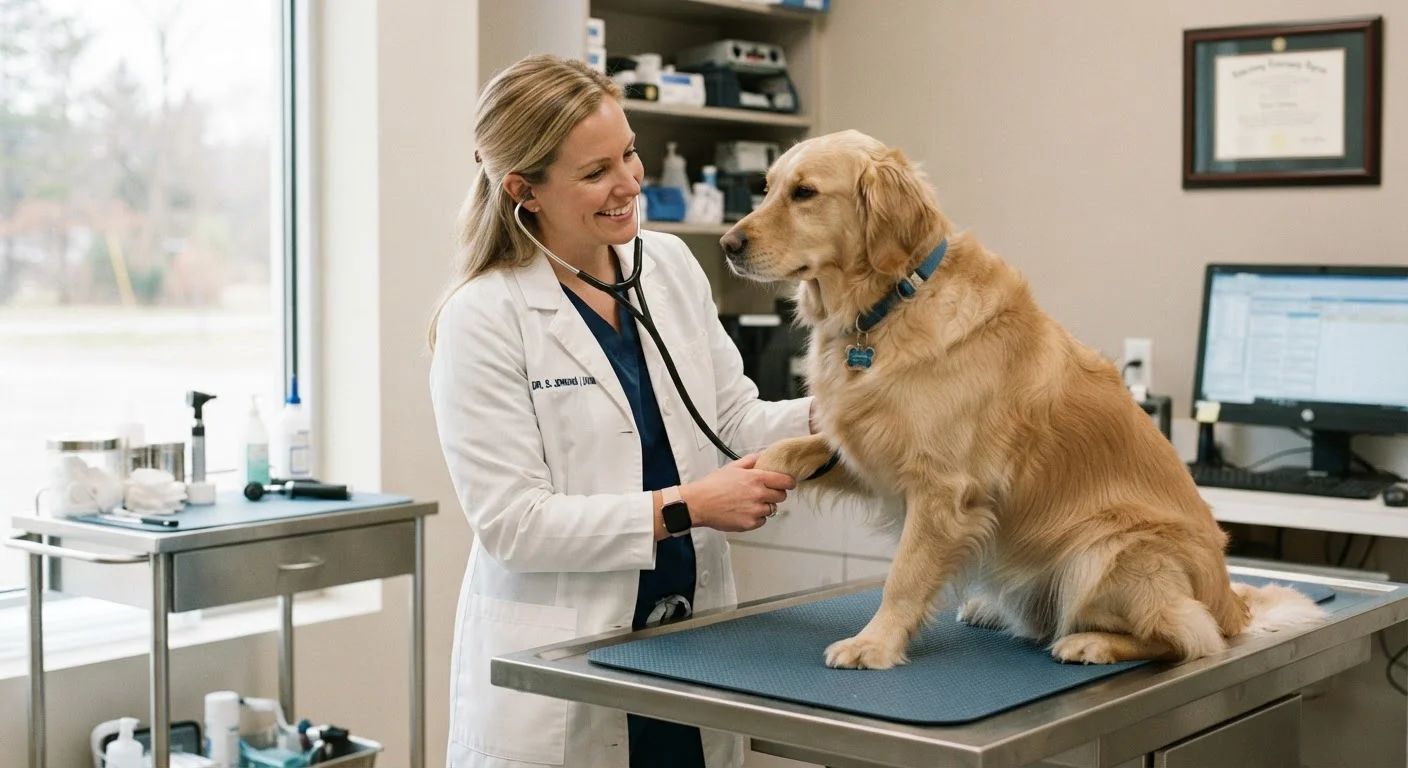
- Heart and lungs: A stethoscope exam can detect murmurs, arrhythmias, or abnormal breath sounds.
- Abdomen: Palpation helps identify organ enlargement, pain, or masses that aren't visible externally.
- Skin and coat: Dryness, hair loss, lumps, or parasites can all be spotted here.
- Lymph nodes and musculoskeletal system: Swollen nodes or gait abnormalities may signal underlying issues requiring follow-up.
Prep Your Pet Before the Appointment
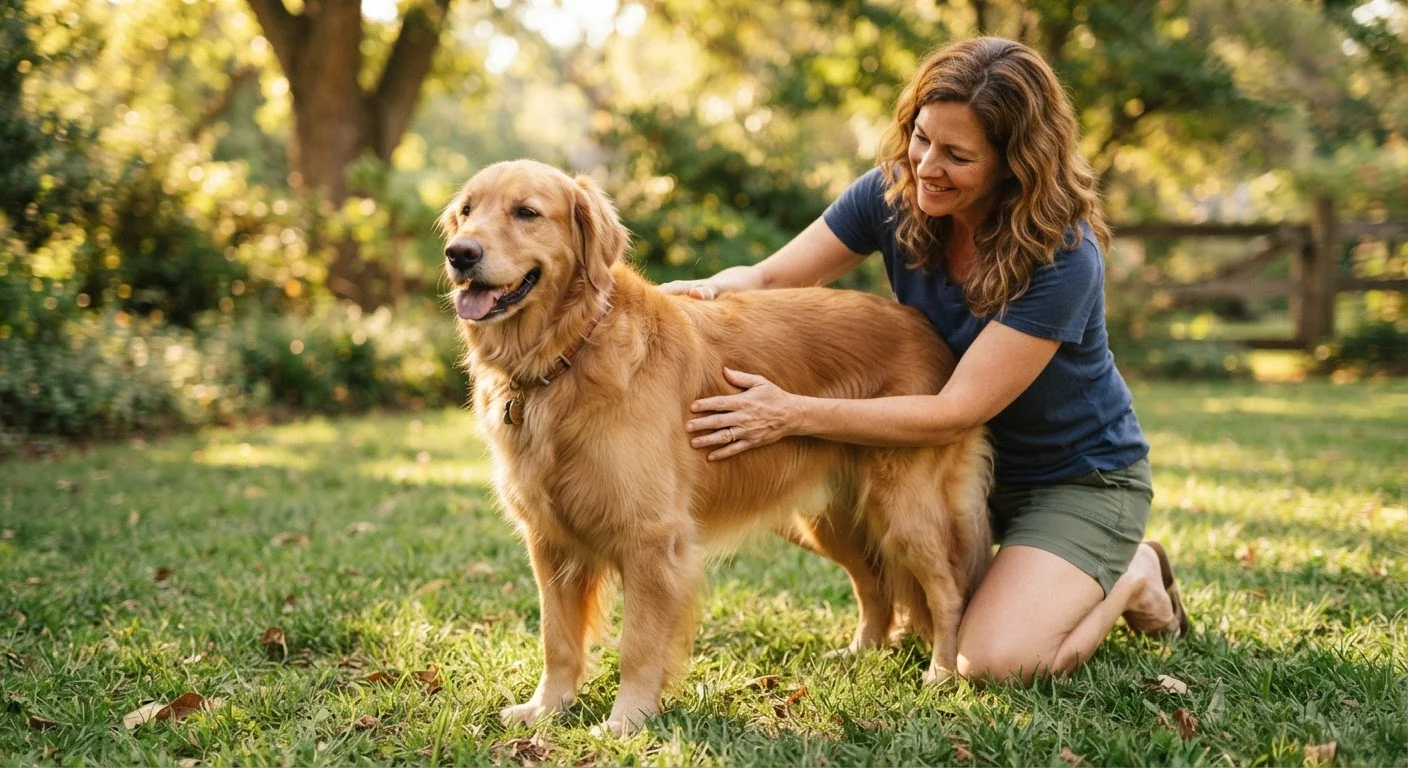
For anxious pets, a little preparation goes a long way. Practice handling their paws, ears, and mouth at home so the exam feels less foreign. For cats, leave the carrier out for several days before the visit so it becomes a familiar — rather than alarming — object. Calm arrivals make for better exams and more accurate readings.
Why Early Detection Is the Real Point
Pets are remarkably good at hiding discomfort. Cats especially tend to mask pain or illness until a condition is fairly advanced. Dogs may simply slow down gradually in ways owners attribute to aging rather than disease. This is exactly why an experienced set of eyes and hands — examining your pet on a regular schedule — is so valuable.
Conditions like chronic kidney disease, heart disease, hypothyroidism, and early-stage cancer often show no obvious outward symptoms in their initial phases. But they leave subtle signs a veterinarian knows to look for: changes in organ size, shifts in blood work, or early dental deterioration. Catching these early almost always leads to better outcomes and, frequently, lower treatment costs.
~85%
Pets aged 3+ with some degree of dental disease
According to the American Veterinary Medical Association, dental disease is among the most prevalent health issues identified during routine wellness exams in dogs and cats.
2x
Recommended exam frequency for senior pets
Most veterinary guidelines recommend semi-annual wellness exams for pets considered senior (generally 7 years and older) to keep pace with faster-moving age-related health changes.
Bloodwork and urinalysis are often recommended alongside the physical exam, particularly for middle-aged and senior pets. These panels give the vet a window into organ function, blood cell counts, and metabolic health that no physical touch can provide.
Vaccines, Parasite Prevention, and the Conversation You Should Have
Vaccine decisions at the annual visit aren't one-size-fits-all. Your vet considers your pet's age, lifestyle, geographic region, and prior vaccine history to determine which vaccines are due. Core vaccines (like rabies and distemper) follow set schedules; lifestyle vaccines depend on individual risk factors. If you've heard claims about over-vaccination or indoor pets not needing shots, those concerns are worth raising with your vet directly — our article on pet vaccination myths addresses the most common ones with veterinary context.
Parasite prevention — including heartworm, fleas, ticks, and intestinal worms — is also reviewed and updated at this visit. A fecal exam checks for internal parasites that may not cause obvious symptoms. Your vet will recommend prevention products appropriate for your region and pet's risk level.
Equally important: use this appointment as a conversation. Bring up any behavioral changes you've noticed. Pet behavior shifts — like increased hiding, sudden aggression, or house-training lapses — can be early signals of pain or illness. Also mention changes in water intake, appetite, or energy level. These observations help your vet build a fuller picture than the exam alone can provide.
Making the Most of Your Pet's Annual Visit
The annual exam works best when it's part of a broader commitment to routine pet care. Consistent schedules reduce stress in pets and make vet visits less of a disruption — for more on that, see why your pet needs a routine.
To get the most out of each appointment:
- Write down your questions beforehand. It's easy to forget what you wanted to ask once you're in the room.
- Note any changes since the last visit — in diet, behavior, activity level, or physical appearance.
- Bring a stool sample (collected within 24 hours) for parasite screening.
- Be honest about your pet's diet and lifestyle — the more your vet knows, the better they can advise you.
Annual wellness exams are a reliable, low-cost way to catch high-cost problems early. Think of it less as a formality and more as your pet's annual health checkpoint — one that pays dividends in both quality of life and peace of mind.