Why Grooming Frequency Varies by Species
No two pets are groomed on the same schedule. A double-coated Golden Retriever needs far more brushing than a sleek Siamese cat, and a guinea pig's coat care looks nothing like a rabbit's. Grooming frequency depends on coat type, skin health, activity level, and the animal's natural self-grooming habits. Getting this right prevents matting, skin infections, overgrown nails, and unnecessary stress — both for your pet and for you.
Grooming is also a powerful wellness check. Running a brush through your pet's coat is a chance to spot lumps, parasites, irritated skin, or wounds early. Think of each session as a mini health assessment. For more on how physical signals connect to your pet's inner state, see reading your pet's body language.
| Dog brushing (short coat) | Once per week |
| Dog brushing (long/double coat) | Daily |
| Dog bathing | Every 4–6 weeks |
| Cat brushing (short coat) | Once per week |
| Cat brushing (long coat) | Daily |
| Rabbit nail trims | Every 4–6 weeks |
| Dog & cat nail trims | Every 2–4 weeks |
| Bird misting/bathing | 2–3 times per week |
Grooming Schedules at a Glance
Dogs
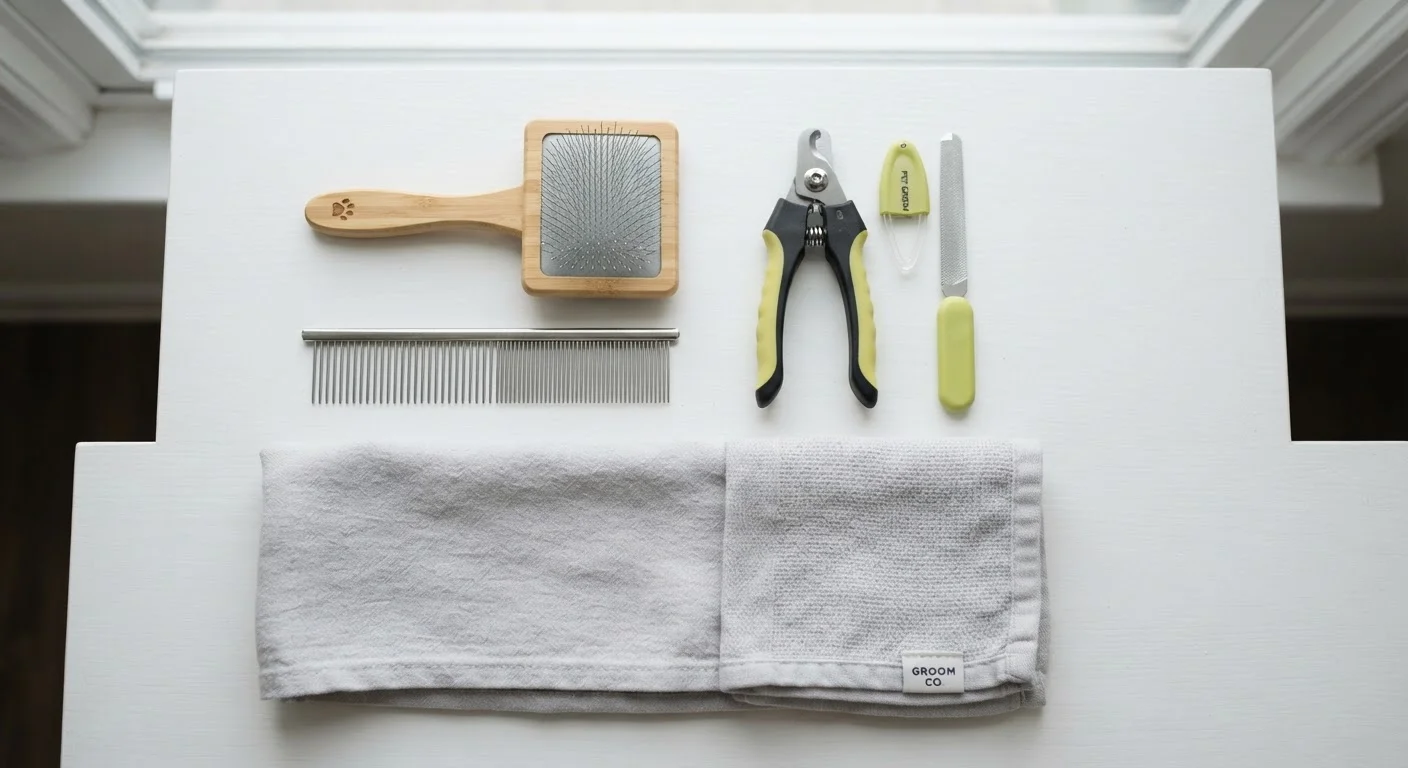
Brushing: Short-haired breeds (Beagles, Boxers) need brushing once a week. Medium-coated breeds (Labradors, Cocker Spaniels) benefit from two to three times per week. Long-haired or double-coated breeds (Huskies, Border Collies, Golden Retrievers) need daily brushing, especially during seasonal shedding.
Bathing: Most dogs do well with a bath every four to six weeks. Dogs with skin conditions may need medicated baths more often — follow your veterinarian's guidance.
Nail trims: Roughly every three to four weeks. You'll know it's time when you hear nails clicking on hard floors.
Cats
Brushing: Short-haired cats groom themselves effectively and typically need brushing once a week to reduce shedding and hairballs. Long-haired breeds (Maine Coons, Persians) require daily brushing to prevent painful mats.
Bathing: Most cats rarely need baths. Exceptions include hairless breeds (Sphynx), cats that get into something harmful, or senior cats who can no longer groom themselves adequately.
Nail trims: Every two to three weeks. Keeping nails trimmed also protects your furniture and skin.
Rabbits
Brushing: Short-haired rabbits need brushing once or twice a week, increasing to daily during their heavy molt periods (typically spring and fall). Long-haired breeds like Angoras need daily brushing year-round to prevent dangerous wool blocks — ingested fur that rabbits, unlike cats, cannot vomit up.
Bathing: Rabbits should never be submerged in water; this causes severe stress and can lead to shock. Spot-clean soiled areas with a damp cloth instead.
Nail trims: Every four to six weeks.
Guinea Pigs
Brushing: Short-haired guinea pigs need a weekly brush. Long-haired breeds (Peruvian, Silkie) need daily brushing and periodic trims to prevent their coat from dragging on the ground.
Bathing: Every one to two months using a small-animal safe shampoo, only when visibly soiled. Always dry them thoroughly afterward — guinea pigs chill quickly.
Nail trims: Every three to four weeks.
Birds (Parrots and Parakeets)
Bathing: Most pet birds benefit from a light misting or shallow bath dish two to three times per week. This supports feather condition and preening behavior.
Wing and nail trims: Wing clips (if used) and nail trims are typically done every two to three months by an experienced avian groomer or vet.
Building Grooming Into Your Pet's Routine
Consistency is the real key to low-stress grooming. Pets who are introduced to brushing, nail trims, and handling from a young age are far more cooperative as adults. If your pet is anxious about grooming, break sessions into short intervals and pair them with praise or treats. Never restrain forcefully — this builds negative associations that make future grooming harder.
Grooming works best when it's part of a broader, predictable routine. A stable daily schedule reduces anxiety and makes care tasks feel familiar rather than threatening. For a practical framework, see building a daily routine for your pet.
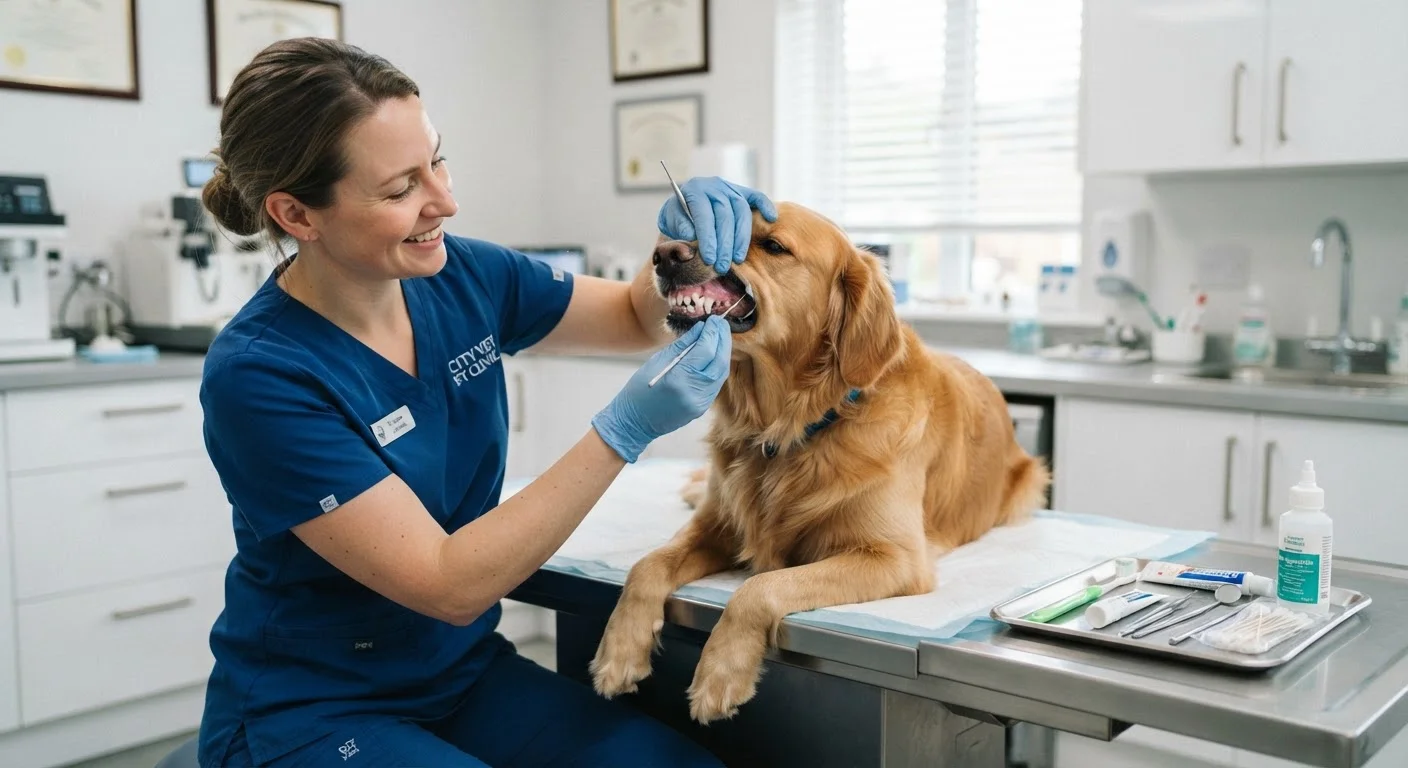
Don't overlook dental hygiene as part of your grooming cadence. Tooth brushing, dental chews, and professional cleanings are as important as coat care. Dental health in dogs and cats is one of the most commonly neglected areas of pet wellness. If grooming time also factors into decisions about which pet to adopt, the true time commitment behind common household pets offers an honest breakdown by species.